
Natural resources management plays a vital role in ensuring that forests, water, minerals, and soil are used responsibly while protecting ecosystems for future generations. Balancing the use of nature’s wealth with the needs of growing communities has become a global challenge. Through community participation, sustainable development practices, and environmental conservation, societies can create harmony between progress and preservation.
This article explores how local communities, policymakers, and environmental organizations can collaborate to manage resources efficiently, promote green growth, and support biodiversity protection. By integrating traditional knowledge with modern sustainability practices, we can achieve a balance where both people and the planet thrive.
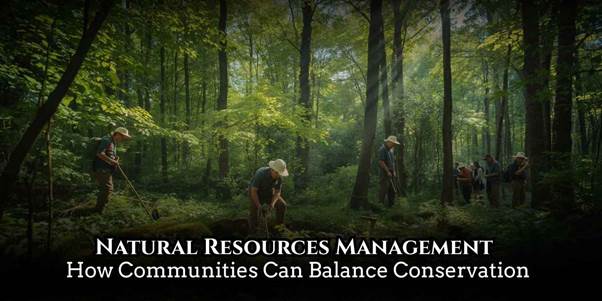
Understanding Natural Resources Management
Natural resources management refers to the sustainable use and conservation of natural assets such as land, water, minerals, forests, and biodiversity. It involves planning and decision-making to ensure that these resources meet present needs without compromising their availability for future generations. This process integrates environmental, economic, and social objectives, making it essential for achieving long-term sustainability.
Background and Evolution of Resource Management
The concept of managing natural resources is not new. Ancient civilizations like Mesopotamia and the Indus Valley practiced early forms of land and water management to sustain agriculture. However, the industrial revolution brought large-scale resource exploitation, leading to deforestation, soil degradation, and pollution. In the 20th century, the rise of environmental awareness shifted the focus toward sustainable resource management. Organizations such as the United Nations and World Bank promoted frameworks emphasizing conservation, equitable access, and ecological balance.
Importance of Sustainable Resource Management
Effective management of natural resources ensures ecological balance, supports human livelihoods, and contributes to economic stability. It is the foundation of sustainable development, helping societies thrive without exhausting the planet’s natural wealth.
Key Reasons for Its Importance:
- Environmental Protection: Prevents deforestation, soil erosion, and biodiversity loss.
- Economic Growth: Encourages efficient use of renewable and non-renewable resources.
- Social Equity: Ensures fair access to resources among communities.
- Climate Change Mitigation: Promotes eco-friendly practices that reduce greenhouse gas emissions.
Benefits of Proper Resource Management
Adopting sustainable management techniques provides numerous advantages to both people and the planet.
1. Economic Benefits
- Encourages innovation in renewable energy and green industries
- Reduces dependency on non-renewable resources
- Promotes sustainable agriculture and eco-tourism
2. Environmental Benefits
- Maintains healthy ecosystems and biodiversity
- Supports reforestation and soil conservation
- Protects water quality and availability
3. Social Benefits
- Strengthens community participation in environmental decision-making
- Enhances food security and clean water access
- Builds awareness for responsible consumption
Challenges in Managing Natural Resources
Despite its importance, natural resources management faces multiple global challenges that threaten sustainability.
1. Overexploitation
Rapid industrialization and population growth have led to excessive extraction of minerals, forests, and water. This unsustainable use results in habitat destruction and resource depletion.
2. Pollution and Waste
Industrial waste, plastic pollution, and chemical runoff contaminate ecosystems, reducing the quality of air, soil, and water.
3. Climate Change
Rising temperatures, extreme weather, and unpredictable rainfall patterns disrupt ecosystems and agricultural systems, making management more complex.
4. Weak Governance
Inadequate policies, corruption, and lack of enforcement hinder effective management strategies. Transparent governance is crucial for balancing conservation and development.
5. Technological Gaps
Limited access to modern technologies in developing regions prevents efficient monitoring and sustainable utilization of natural resources.
Strategies for Balancing Conservation and Development
Communities play a key role in achieving balance between conservation and economic progress. Local participation fosters a sense of ownership and responsibility toward environmental protection.
Community-Based Management Approaches
- Participatory Decision-Making: Involving local residents in policy formulation ensures that their needs and traditional knowledge are respected.
- Education and Awareness: Training communities on sustainable farming, water harvesting, and waste recycling promotes eco-friendly habits.
- Eco-friendly Enterprises: Encouraging small-scale businesses in renewable energy and organic farming supports both livelihoods and the environment.
Technological Innovations for Sustainability
- GIS and Remote Sensing: Help monitor deforestation, water quality, and land use changes.
- Renewable Energy Systems: Solar, wind, and hydro technologies reduce pressure on non-renewable resources.
- Sustainable Agriculture: Practices like crop rotation, composting, and drip irrigation conserve soil and water.
Successful Examples of Balanced Resource Management
1. Kenya’s Community Forest Associations
Local groups manage forests through reforestation and conservation programs, improving biodiversity and creating income through eco-tourism.
2. India’s Watershed Development Programs
Villages work together to restore degraded land and water systems, increasing crop productivity while conserving resources.
3. Costa Rica’s Payment for Ecosystem Services (PES)
Farmers receive incentives for protecting forests and maintaining biodiversity, showcasing how economic rewards can promote conservation.
The Path Forward
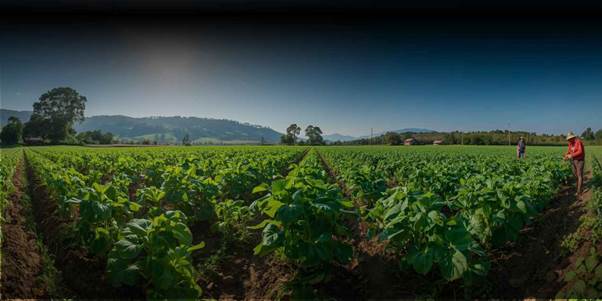
To ensure a sustainable future, governments, NGOs, and communities must collaborate to implement integrated management plans. Policies should emphasize environmental conservation, climate resilience, and inclusive participation. Education, technology, and awareness will remain powerful tools in promoting long-term balance.
Key Takeaways for the Future:
- Strengthen environmental laws and community rights
- Invest in renewable energy and green technologies
- Encourage youth participation in sustainability initiatives
- Foster global partnerships for conservation funding
By combining innovation, community engagement, and policy support, societies can achieve a world where both development and conservation coexist harmoniously ensuring that nature continues to support human well-being for generations to come.
Conclusion
In conclusion, natural resources management is essential for maintaining the delicate balance between environmental conservation and economic progress. By promoting sustainable development, encouraging community participation, and integrating innovative technologies, societies can protect ecosystems while meeting human needs. The success of such efforts depends on collaboration among governments, organizations, and individuals. To secure a greener future, it’s crucial to stay informed, support eco-friendly initiatives, and explore ways to manage our planet’s valuable resources responsibly. Together, we can ensure sustainability for generations to come.
1 Comment
Add Yours →[…] the air we breathe to the water that sustains life, natural resources form the invisible foundation of every living system on Earth. Often overlooked, this hidden […]