
The health of our planet depends on the balance of its natural systems, making ecosystem preservation a crucial global priority. As human activities continue to disrupt habitats and accelerate climate change, protecting nature has never been more urgent. Through sustainable practices like biodiversity conservation, habitat restoration, and responsible resource management, we can maintain the delicate relationships that allow life to thrive.
This article explores how adopting eco-friendly methods helps sustain vital ecosystems, supports wildlife, and ensures the availability of natural resources for future generations. By understanding the importance of environmental stewardship and embracing sustainability in our daily choices, we can collectively build a more resilient and harmonious world for all living beings.
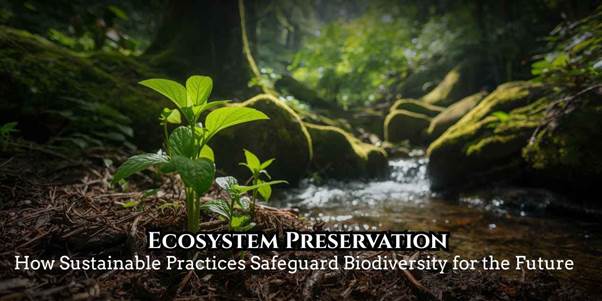
Understanding Ecosystem Preservation
Ecosystem preservation refers to the conscious effort to protect and maintain the natural balance of biological communities and their physical environments. It focuses on sustaining the interactions among living organisms, such as plants, animals, and microorganisms, and their surroundings. By doing so, we ensure the continued availability of essential resources like air, water, and fertile soil. This concept is deeply connected with biodiversity conservation, sustainable resource management, and environmental protection, all of which work together to support life on Earth.
Background and Historical Development
The idea of preserving ecosystems gained prominence during the mid-20th century when industrialization began to significantly impact natural habitats. Early environmental movements in the 1960s and 1970s raised awareness about pollution, deforestation, and species extinction. Organizations like the World Wildlife Fund (WWF) and United Nations Environment Programme (UNEP) emphasized the importance of protecting natural ecosystems to maintain ecological balance.
Over time, global summits such as the Earth Summit (1992) and the Paris Climate Agreement (2015) reinforced the necessity of sustainable environmental policies. Governments, scientists, and communities worldwide started developing conservation strategies to mitigate the damage caused by human expansion and climate change.
Importance of Ecosystem Preservation
Preserving ecosystems is not only about saving plants and animals it’s about securing the foundation of human existence. Every species, no matter how small, plays a role in maintaining environmental stability. When one element of an ecosystem is destroyed, the entire system suffers.
Key reasons why ecosystem preservation is essential include:
- It maintains biodiversity, allowing a wide variety of species to thrive.
- It ensures ecological balance, preventing overpopulation or depletion of particular species.
- It supports climate regulation through carbon absorption by forests and oceans.
- It provides natural resources like clean water, food, and medicinal plants.
- It helps in soil fertility and pollination, vital for agriculture and food security.
Healthy ecosystems also act as buffers against natural disasters such as floods, droughts, and storms, making them crucial for long-term environmental resilience.
Benefits of Sustainable Practices in Ecosystem Preservation
Integrating sustainability into daily life and industry can greatly strengthen preservation efforts. Sustainable practices ensure that human needs are met without depleting natural resources for future generations.
Some of the most impactful benefits include:
- Renewable Resource Use: Utilizing solar, wind, and hydro energy reduces dependence on fossil fuels, lowering pollution levels.
- Sustainable Agriculture: Techniques like organic farming, crop rotation, and agroforestry protect soil and promote biodiversity.
- Water Conservation: Efficient irrigation systems and wastewater recycling maintain clean water supplies.
- Waste Management: Recycling and composting minimize waste and protect ecosystems from contamination.
- Green Infrastructure: Urban green spaces, wetlands restoration, and reforestation improve air quality and provide habitats for wildlife.
These practices create a positive cycle where humans benefit from nature’s services while ensuring its survival.
Challenges to Ecosystem Preservation
Despite its importance, ecosystem preservation faces several obstacles that hinder effective implementation. Rapid population growth, urbanization, and unsustainable industrial practices continue to strain natural systems.
Major challenges include:
- Deforestation: Large-scale logging and land clearing reduce forest cover and destroy habitats.
- Pollution: Chemicals, plastics, and industrial waste contaminate soil, air, and water.
- Climate Change: Rising temperatures alter ecosystems, affecting species distribution and survival.
- Overexploitation of Resources: Excessive hunting, fishing, and mining disrupt ecological balance.
- Lack of Awareness: Many people remain unaware of the long-term consequences of ecosystem degradation.
Addressing these challenges requires global cooperation, strict environmental policies, and widespread education on sustainable living.
Examples of Successful Ecosystem Preservation Efforts
Across the world, numerous projects demonstrate that protecting ecosystems can produce lasting positive results.
- Amazon Rainforest Conservation: Reforestation and indigenous-led projects have helped restore large areas of forest.
- Coral Reef Protection Programs: Marine sanctuaries and coral farming initiatives have revived damaged reefs in regions like Australia and Indonesia.
- Wildlife Corridors in Africa: Protected migration routes allow species such as elephants and lions to move safely across territories.
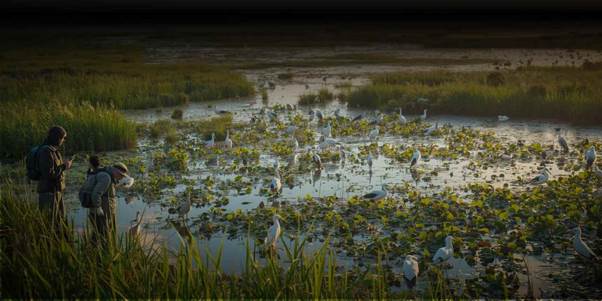
- Wetland Restoration in the United States: Reestablishing natural wetlands has improved water quality and increased bird populations.
These examples prove that dedicated conservation measures can restore ecosystems and promote sustainability at both local and global levels.
The Way Forward: Building a Sustainable Future
To secure a thriving planet, individuals, communities, and governments must collaborate in implementing ecosystem preservation initiatives. This involves adopting green technologies, enforcing conservation laws, and supporting organizations that protect natural habitats. Education also plays a key role encouraging eco-friendly behaviors and empowering future generations to value the environment.
By embracing sustainable practices, such as reducing waste, conserving energy, and protecting endangered species, we can ensure that wetland ecosystem continue to provide essential life-supporting functions. Collective action and responsible choices today will determine the quality of life on Earth tomorrow.
In essence, Environmental Protection is not merely an environmental goal it is a global responsibility that safeguards biodiversity, supports economic stability, and preserves the beauty and balance of nature for the generations yet to come.
Conclusion
In summary, protecting our natural environments through sustainable practices is vital for maintaining biodiversity, ecological balance, and the resources that support life. Ecosystem preservation ensures that future generations can enjoy a healthy and thriving planet while mitigating the impacts of climate change and human activities. By embracing eco-friendly habits, supporting conservation efforts, and promoting awareness, we all play a role in safeguarding the Earth’s natural systems. Stay informed, explore sustainable solutions, and take proactive steps to contribute to a greener, more resilient world for everyone.