
Minimalism and sustainability offer a transformative approach, encouraging individuals to live intentionally while reducing waste and environmental impact. In today’s fast-paced world, finding balance between our consumption habits and environmental responsibility has never been more crucial. This lifestyle not only promotes mindful consumption but also emphasizes simplicity, eco-friendly choices, and conscious living.
In this article, we’ll explore practical strategies to declutter your life, make sustainable choices, and enhance overall well-being. Readers will discover how embracing minimalism can reduce unnecessary consumption, lower carbon footprints, and create a harmonious, eco-conscious lifestyle. By integrating principles of sustainable living and minimalism, it’s possible to achieve both personal satisfaction and a positive impact on the planet.
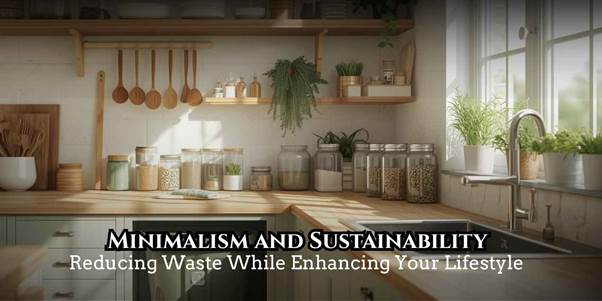
Understanding Minimalism and Sustainability
Minimalism is more than just a design aesthetic or decluttering trend. It is a lifestyle that focuses on simplicity, intentional living, and reducing unnecessary possessions. Sustainability, on the other hand, emphasizes practices that minimize harm to the environment and promote long-term ecological balance. Together, minimalism and sustainability create a harmonious approach where individuals consciously reduce consumption, waste, and energy use while enhancing quality of life. By embracing both, people can lead a life that is eco-conscious, intentional, and fulfilling.
Historical Background and Evolution
The concept of minimalism originated in the 1960s within art and design but gradually evolved into a lifestyle philosophy. Early minimalist thinkers emphasized simplicity, functionality, and reducing excess. Sustainability as a practice gained momentum in the late 20th century, fueled by growing concerns about climate change, pollution, and resource depletion. Over time, the fusion of these concepts has become a powerful movement. Modern minimalism now often integrates eco-friendly habits such as mindful shopping, reducing plastic use, and choosing renewable resources, reflecting a growing awareness of environmental responsibility.
Importance of Adopting Minimalism and Sustainability
Embracing this combined approach has multiple advantages:
• Reduces environmental impact by lowering waste production and energy consumption
• Encourages mindful consumption and conscious decision-making
• Promotes financial savings through fewer unnecessary purchases
• Enhances mental well-being by reducing clutter and promoting simplicity
• Fosters a sense of purpose and alignment with eco-conscious values
Understanding these benefits helps individuals see minimalism and sustainability not just as lifestyle choices, but as essential tools for a healthier planet and personal fulfillment.
Key Benefits of Minimalism and Sustainability
1. Environmental Benefits
• Reduces landfill waste through conscious buying and decluttering
• Lowers carbon footprint by limiting energy-intensive products
• Encourages use of renewable and eco-friendly materials
2. Personal Benefits
• Promotes mental clarity and reduces stress from cluttered spaces
• Improves financial health through intentional spending
• Enhances lifestyle satisfaction by focusing on experiences over possessions
3. Community Benefits
• Inspires others to adopt eco-conscious lifestyles
• Supports local and sustainable businesses
• Strengthens community engagement through shared values of sustainability
Challenges in Implementing Minimalism and Sustainability
While the advantages are clear, there are challenges that individuals may face:
• Social pressure to conform to consumerist habits
• Difficulty in identifying truly sustainable products
• Balancing minimalism with practical needs, especially for families
• Overcoming the emotional attachment to possessions
Overcoming these challenges requires education, planning, and gradual lifestyle adjustments. Tools such as eco-friendly guides, minimalism workshops, and community support groups can make the transition smoother.

Practical Strategies for a Sustainable Minimalist Lifestyle
Adopting minimalism and sustainability can be done through simple, actionable steps:
• Declutter your home regularly and donate unused items
• Prioritize quality over quantity when purchasing essentials
• Use reusable products such as bags, bottles, and containers
• Support sustainable brands and local businesses
• Reduce energy consumption by switching to energy-efficient appliances
• Plan meals to minimize food waste and shop mindfully
• Embrace digital minimalism by reducing unnecessary digital clutter
Examples of Minimalist and Sustainable Practices
• Switching to bamboo toothbrushes instead of plastic
• Using second-hand clothing or upcycling old items
• Choosing public transport, cycling, or walking instead of driving
• Growing a small garden to reduce dependency on packaged foods
These practical examples show that minimalism and sustainability are not restrictive but empowering, allowing individuals to lead richer, more meaningful lives while reducing their ecological footprint.
The Future of Minimalism and Sustainability
As environmental concerns grow globally, the importance of integrating minimalism and sustainability into daily life will continue to increase. Future trends include more eco-conscious urban planning, sustainable fashion, and zero-waste lifestyles. Technology and innovation will also play a role, offering smart solutions for energy efficiency, waste reduction, and responsible consumption. By adopting these principles now, individuals contribute not only to their well-being but also to the planet’s future, inspiring a more conscious and sustainable society.
Conclusion
Adopting minimalism and sustainability can transform both your lifestyle and the environment around you. By embracing simplicity, mindful consumption, and eco-conscious choices, individuals can reduce waste, lower their carbon footprint, and enhance overall well-being. While challenges exist, practical strategies like decluttering, choosing sustainable products, and supporting local businesses make the transition achievable. Living intentionally not only benefits the planet but also promotes personal satisfaction and clarity. Explore these practices further to create a balanced, purposeful, and environmentally responsible life that leaves a lasting positive impact.