
The effect of cadmium on plants extends beyond reduced growth it disrupts essential physiological and biochemical processes vital for plant health. Cadmium contamination has become a growing environmental concern, threatening agricultural productivity and food safety worldwide.
This article explores how heavy metal pollution impacts soil fertility, crop yield, and nutrient absorption. Additionally, it discusses how effect of chromium on plants, soil pollution, heavy metal toxicity, and plant stress response are interconnected, offering insights into sustainable agricultural solutions. By understanding these complex interactions, researchers and farmers can develop effective strategies to minimize contamination and promote healthier, more resilient crops for the future.
Understanding the Effect of Cadmium on Plants
Cadmium is one of the most toxic heavy metals found in the environment. It enters the soil through industrial waste, mining, sewage sludge, and phosphate fertilizers. Over time, it accumulates in agricultural land, creating serious risks for both plants and human health. The effect of cadmium on plants is complex it influences growth, metabolism, and overall plant physiology. Once absorbed by roots, cadmium can easily move into stems, leaves, and even edible plant parts, posing threats to the entire food chain.
What is Cadmium and Why It Matters
Cadmium (Cd) is a naturally occurring element that becomes harmful when its concentration in soil exceeds safe levels. In trace amounts, some metals like zinc or copper are essential for plant growth, but cadmium serves no biological function. Instead, it disrupts the normal nutrient balance in the soil.
Sources of Cadmium Contamination
Cadmium enters the soil through several human and natural activities:
• Industrial effluents and smelting operations
• Application of phosphate-based fertilizers
• Sewage sludge and wastewater irrigation
• Combustion of fossil fuels
• Atmospheric deposition from nearby factories
These sources contribute to soil pollution and affect plant productivity over time.
Historical Background of Cadmium Pollution
The issue of cadmium contamination gained global attention in the 20th century when industrial development led to the discharge of untreated waste into agricultural areas. One of the most well-known examples is the “Itai-Itai disease” outbreak in Japan, caused by cadmium accumulation in rice paddies. Since then, awareness about the effect of cadmium on plants and food safety has grown significantly, leading to stricter soil management and pollution control policies.
How Cadmium Affects Plant Growth and Physiology
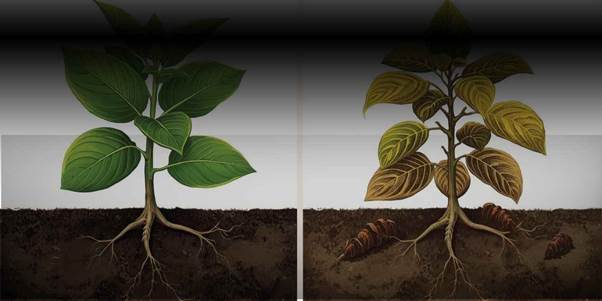
When plants absorb cadmium, it interferes with essential processes like photosynthesis, respiration, and nutrient uptake. This toxic metal replaces beneficial ions such as calcium and magnesium, disturbing plant metabolism.
Impact on Plant Growth
• Stunted root and shoot development
• Chlorosis (yellowing of leaves) due to reduced chlorophyll content
• Decreased seed germination rate
• Delayed flowering and fruiting
Effect on Photosynthesis and Enzyme Activity
Cadmium damages chloroplasts, the structures responsible for photosynthesis. As a result, plants show a decline in energy production and growth. It also inhibits enzyme activity, reducing the plant’s ability to convert nutrients efficiently.
Influence on Water and Nutrient Absorption
Excessive cadmium reduces the uptake of essential nutrients such as nitrogen, phosphorus, and potassium. This imbalance weakens the plant’s natural defense system and makes it more susceptible to environmental stress.
Physiological and Biochemical Responses in Plants
Plants activate several defense mechanisms to tolerate heavy metal stress. They produce antioxidants, chelating agents, and stress proteins that help minimize damage.
Plant Defense Mechanisms Include:
- Antioxidant Enzymes – Catalase, peroxidase, and superoxide dismutase neutralize harmful reactive oxygen species.
- Chelation – Phytochelatins and metallothioneins bind to cadmium ions, reducing their toxicity.
- Cell Wall Binding – Plants trap cadmium in cell walls to prevent its movement into vital tissues.
- Compartmentalization – Cadmium is stored in vacuoles to isolate it from sensitive cell structures.
These adaptive responses are crucial for plant survival under heavy metal stress.
Soil Pollution and Its Link to Crop Health
The effect of cadmium on plants cannot be separated from overall soil health. Polluted soils lose their fertility and microbial activity, which are essential for nutrient cycling. Over time, continuous cadmium exposure leads to poor crop performance and lower yields.
Consequences of Soil Contamination:
• Reduced soil enzyme activity and microbial diversity
• Disruption of nutrient balance and organic matter breakdown
• Increased accumulation of toxins in edible plant parts
• Long-term decline in soil productivity
Healthy soil is the foundation of sustainable agriculture. Therefore, preventing cadmium buildup is critical to maintaining both soil fertility and food safety.
Detection and Monitoring of Cadmium in Plants
Monitoring cadmium levels in soil and plants helps prevent toxic accumulation. Various modern techniques are used to detect heavy metals accurately.
Common Methods Include:
• Atomic Absorption Spectroscopy (AAS)
• Inductively Coupled Plasma Mass Spectrometry (ICP-MS)
• X-ray Fluorescence (XRF) analysis
These methods assist scientists and farmers in identifying contamination levels and making informed management decisions.
Challenges and Future Prospects
Reducing cadmium pollution is not easy. It requires integrated efforts involving sustainable farming, soil remediation, and strict industrial waste control.
Major Challenges:
• High cost of remediation technologies
• Lack of awareness among farmers
• Limited adoption of green agricultural practices
Possible Solutions:
• Promoting the use of biofertilizers and organic amendments
• Implementing phytoremediation using metal-tolerant plants like sunflower and mustard
• Encouraging industries to treat effluents before disposal
• Conducting regular soil testing and pollution assessments
Conclusion
The effect of cadmium on plants highlights the urgent need to address soil contamination and ensure agricultural sustainability. Cadmium toxicity disrupts plant growth, soil fertility, and food safety, making it a critical environmental challenge. Understanding how this heavy metal interacts with crops helps scientists and farmers develop eco-friendly strategies to restore soil health and protect the food chain. Continued research, awareness, and responsible farming practices can minimize its impact. To build a cleaner and greener future, explore sustainable methods and stay informed about pollution management advancements.