
The biological treatment of sewage plays a vital role in protecting our environment and maintaining clean water systems. In this natural yet scientifically managed process, microorganisms break down organic waste, turning harmful substances into safe, reusable by-products.
This article explores how this eco-friendly method works, detailing the aerobic and anaerobic processes involved and their significance in modern wastewater management. By understanding the sewage purification process, we can better appreciate how biological systems help safeguard public health, reduce pollution, and support sustainable development. In the following sections, you’ll discover the step-by-step mechanism, advantages, and environmental importance of this essential treatment method that ensures cleaner water for future generations.
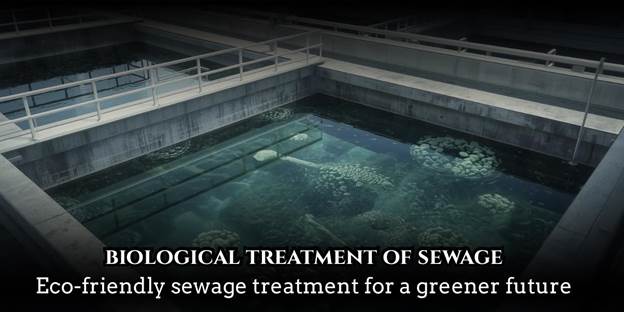
Understanding the Biological Treatment of Sewage
The biological treatment of sewage is a natural and eco-friendly process that uses microorganisms to break down organic matter and pollutants in wastewater. This method relies on bacteria, fungi, and protozoa to convert harmful substances into harmless by-products like carbon dioxide, water, and inorganic salts. Unlike chemical treatment, which involves adding synthetic agents, biological treatment depends on natural life processes to achieve effective wastewater purification.
Definition and Core Concept
In simple terms, biological treatment of sewage refers to the use of living organisms to decompose and remove organic impurities from sewage. The process transforms waste into stable end products that are safe for discharge into the environment or for reuse. It’s a critical part of modern sewage management systems, ensuring that urban and industrial wastewater is treated efficiently before reaching natural water bodies.
Background and Historical Development
The concept of biological sewage treatment dates back to the late 19th century when scientists discovered that bacteria played a key role in waste decomposition. Early systems like trickling filters and activated sludge processes were developed to harness microbial activity for large-scale wastewater management. Over the decades, technological innovations have made these systems more efficient and adaptable, leading to advanced methods such as membrane bioreactors (MBR) and moving bed biofilm reactors (MBBR).
These improvements have transformed how communities handle sewage, making biological treatment a cornerstone of sustainable environmental engineering.
Major Processes in Biological Sewage Treatment
1. Aerobic Treatment
Aerobic biological treatment involves microorganisms that thrive in oxygen-rich environments. Oxygen is supplied through mechanical aeration or natural diffusion, allowing microbes to decompose organic matter rapidly.
Key systems include:
- Activated Sludge Process: Wastewater is mixed with a microbial-rich sludge and aerated to promote biological oxidation.
- Trickling Filter System: Sewage passes over a bed of rocks or plastic media covered with microbial films that digest organic pollutants.
- Oxidation Ponds: Large, shallow ponds where sunlight and algae support aerobic bacterial activity.
Advantages:
- Efficient organic matter removal
- Low sludge production
- Effective pathogen reduction
2. Anaerobic Treatment
Anaerobic biological treatment of sewage occurs in the absence of oxygen. Specific bacteria decompose organic compounds into biogas, primarily methane and carbon dioxide, which can be used as renewable energy.
Common methods:
- Septic Tanks: Simple, low-maintenance systems often used in rural areas.
- Anaerobic Digesters: Large, enclosed tanks that treat industrial and municipal sewage.
- Upflow Anaerobic Sludge Blanket (UASB) Reactors: Effective for treating high-strength wastewater.
Benefits:
- Energy recovery through biogas production
- Lower operational costs
- Suitable for high organic load wastewater
Importance of Biological Sewage Treatment
The biological treatment of sewage is essential for maintaining environmental sustainability and public health. It prevents untreated wastewater from contaminating rivers, lakes, and groundwater sources. Additionally, it supports nutrient recycling, allowing treated water to be reused for irrigation or industrial processes.
Environmental Significance
- Reduces water pollution and protects aquatic life
- Helps meet wastewater discharge standards
- Minimizes chemical use and carbon footprint
Social and Economic Impact
- Improves community health by reducing exposure to pathogens
- Promotes water conservation and reuse
- Generates renewable energy through biogas recovery
Benefits of Biological Treatment
Biological treatment of sewage offers multiple advantages compared to physical or chemical methods.
Key benefits include:
- Cost-effective and energy-efficient operation
- Natural process with minimal environmental impact
- Production of reusable water and biogas
- Reduced sludge generation compared to chemical treatment
These benefits make biological systems a preferred choice for municipalities and industries aiming for sustainable wastewater management.
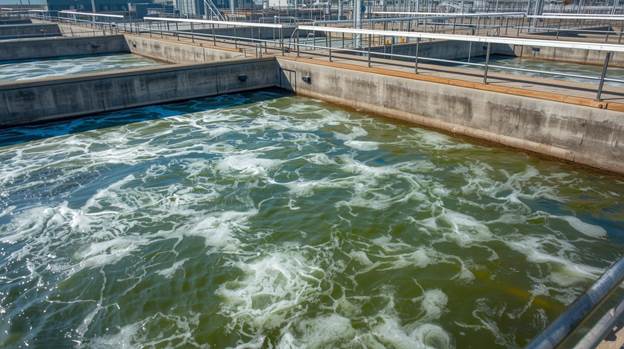
Challenges and Limitations of biological treatment of sewage
Despite its advantages, biological treatment of sewage treatment faces some operational challenges.
Main challenges include:
- Sensitivity to temperature and pH changes
- Slower reaction rates compared to chemical treatment
- Need for regular monitoring of microbial health
- Management of excess sludge produced during the process
Additionally, in areas with extreme climates or fluctuating waste loads, maintaining consistent biological activity can be difficult. However, ongoing advancements in biotechnology and automation systems are helping overcome these limitations.
Real-World Examples
- Activated Sludge Plants in Urban Cities: Many cities use these systems to treat municipal sewage before releasing it into rivers.
- Biogas Recovery Projects: Countries like India and Germany convert sewage sludge into energy using anaerobic digesters.
- Eco-Friendly Sewage Plants: Some modern facilities integrate constructed wetlands and biofilters to enhance treatment efficiency while preserving natural aesthetics.
Future Prospects
The future of biological sewage treatment lies in integrating smart technologies and sustainable practices. AI-based monitoring systems, bioaugmentation, and energy recovery units are expected to make these processes more efficient and adaptive. As water scarcity and pollution continue to rise, biological treatment will remain a vital solution for achieving cleaner, greener, and healthier communities.
Conclusion
The biological treatment of sewage is a sustainable and effective method for cleaning wastewater using natural microbial processes. It not only safeguards public health but also protects the environment by reducing pollution and enabling water reuse. With advancements in wastewater management technologies, this eco-friendly approach continues to evolve, offering cleaner and greener solutions for communities worldwide. To understand its growing impact and explore new innovations in sewage treatment systems, stay informed and continue learning about the future of sustainable water management.