
MBBR technology has emerged as one of the most effective and sustainable approaches for treating wastewater in modern times. Designed to enhance biological treatment, this innovative process uses biofilm carriers, which provide a large surface area for microorganisms to grow and efficiently break down organic pollutants. As industries and municipalities face growing challenges of water pollution and limited resources, MBBR offers a compact, energy-efficient, and low-maintenance solution.
This article explores how the system works, its major advantages, and its role in creating a cleaner and greener environment. By the end, you’ll understand why this advanced method is revolutionizing the way wastewater is managed across the globe.
Understanding MBBR Technology
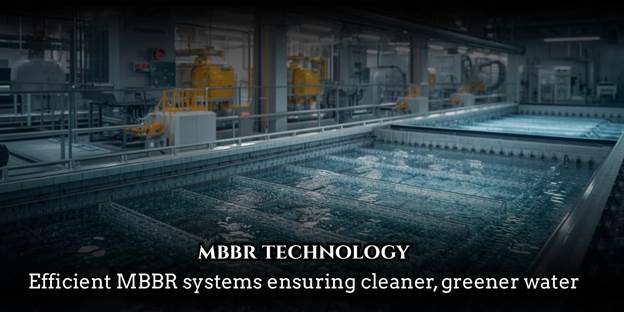
MBBR technology (Moving Bed Biofilm Reactor) is a modern and efficient biological wastewater treatment method that enhances the breakdown of organic matter using biofilm carriers. These carriers, made from durable plastic materials, provide a large surface area for microorganisms to attach and thrive. As wastewater flows through the reactor, these microorganisms degrade contaminants, ensuring cleaner water output. The process combines the principles of aerobic treatment and biological filtration, making it an excellent choice for both municipal and industrial wastewater management.
Background and Development of MBBR
The concept of MBBR originated in Norway during the late 1980s. It was developed as an upgrade to traditional biological treatment systems like activated sludge and trickling filters. Over time, its design was refined to improve efficiency, reduce energy use, and minimize maintenance requirements.
Evolution of Wastewater Treatment of mbbr technology
- Early systems relied heavily on aeration tanks and mechanical processes.
- As industries expanded, higher organic loads demanded more robust and adaptable systems.
- Researchers introduced biofilm-based systems like MBBR, which could handle variable loads and achieve consistent treatment results.
Today, MBBR is recognized globally as a reliable and cost-effective wastewater treatment method suitable for new installations and upgrading existing plants.
Importance of MBBR in Modern Wastewater Management
The growing issues of water pollution, population growth, and industrialization have increased the need for advanced treatment technologies. MBBR technology provides a flexible and efficient way to meet strict environmental standards while conserving space and energy.
Key Reasons for Its Importance
- Handles fluctuating loads without affecting performance
- Requires less space compared to conventional systems
- Reduces sludge generation and maintenance costs
- Offers energy-efficient operation
- Adaptable for municipal, industrial, and decentralized applications
By adopting MBBR systems, industries can meet environmental compliance targets and contribute to sustainable wastewater treatment.
How MBBR Technology Works
The system functions through a series of biological and mechanical processes designed to maximize pollutant removal.
Core Components of the MBBR System
- Reactor Tank: The main chamber where biological treatment occurs.
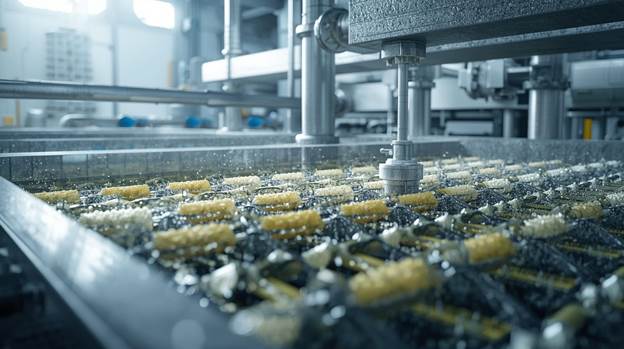
- Biofilm Carriers: Floating plastic media providing surface area for microbial growth.
- Aeration System: Supplies oxygen to support aerobic microorganisms.
- Screens and Separators: Prevent carrier loss and maintain proper circulation.
Process Mechanism
- Wastewater enters the reactor, mixing with the biofilm carriers.
- Microorganisms on the carriers degrade organic matter and nutrients.
- The treated water passes through separation screens before discharge or further treatment.
This self-regulating process allows MBBR systems to function efficiently even under changing load conditions.
Benefits of Using MBBR Technology
MBBR offers several advantages that make it a preferred solution in both developed and developing regions.
Major Benefits
- High Treatment Efficiency: Capable of removing large amounts of BOD (Biochemical Oxygen Demand) and COD (Chemical Oxygen Demand).
- Compact Design: Requires minimal land area.
- Low Maintenance: The system does not need sludge recirculation.
- Flexibility: Can be easily integrated with existing wastewater plants.
- Stable Performance: Resistant to hydraulic or organic load variations.
Environmental and Economic Benefits
- Reduces energy consumption through optimized aeration.
- Decreases sludge disposal costs.
- Promotes sustainable water reuse and resource recovery.
MBBR’s simplicity and durability make it ideal for industries like food processing, textiles, and chemical manufacturing, where wastewater quality varies daily.
Challenges of MBBR Systems
Despite its many advantages, MBBR technology also faces certain challenges. Understanding these helps in designing better systems and improving performance.
Common Challenges
- Media clogging if not properly maintained.
- Energy use in aeration can increase operational costs.
- Biofilm detachment during load fluctuations can reduce efficiency.
- Requires skilled monitoring to ensure balanced microbial activity.
Ways to Overcome Challenges
- Regular system inspections and cleaning of carriers.
- Installing automated monitoring systems for real-time data.
- Using optimized aeration techniques to reduce power use.
With proper operation and design, these challenges can be minimized, ensuring long-term, stable performance.
Real-World Applications and Examples
MBBR technology is successfully used worldwide across various sectors for its adaptability and performance.
Industrial Applications
- Food and Beverage: Treats organic-rich wastewater efficiently.
- Pharmaceuticals: Removes chemical residues and organic pollutants.
- Textile Industry: Reduces color, odor, and organic loads.
Municipal Applications
- Ideal for domestic sewage treatment plants in urban and rural areas.
- Enhances capacity in overloaded treatment facilities without expansion.
Example of Implementation
In a case study from India, a textile plant reduced COD by over 90% using MBBR, meeting discharge standards while saving up to 25% in operational energy. Such examples highlight the global potential of this system for achieving eco-friendly wastewater solutions.
Conclusion
In summary, MBBR technology stands out as an innovative and reliable method for effective wastewater treatment. By combining biological efficiency with low maintenance and compact design, it addresses modern environmental challenges with sustainability in mind. Its adaptability across industrial and municipal applications makes it a preferred choice for cleaner water management. As the demand for eco-friendly solutions grows, exploring MBBR systems further can help industries and communities achieve long-term water conservation goals. Stay informed and embrace this smart step toward a greener, cleaner future.