
A bio treatment plant offers an eco-friendly and effective way to handle the growing problem of wastewater pollution. By using natural biological processes, these systems help break down organic matter and remove contaminants without relying on harmful chemicals. This sustainable technology not only conserves water but also reduces environmental impact.
In this article, we’ll explore how these innovative systems function, their benefits for industries and communities, and why they’re becoming a key part of modern sewage treatment strategies. From improving wastewater recyclingefficiency to supporting environmental sustainability, bio treatment plants are transforming how we manage waste in a greener and smarter way.
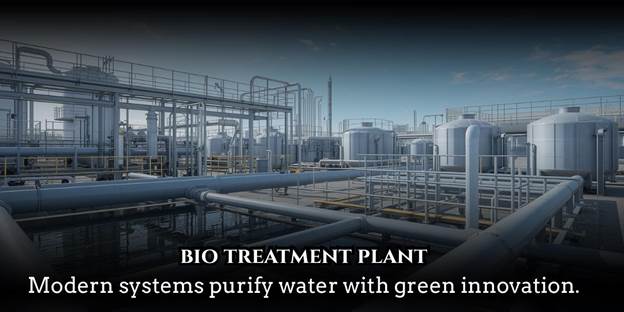
Understanding Bio Treatment Plant
A bio treatment plant is an advanced system designed to purify wastewater through biological processes that use microorganisms to decompose organic pollutants. Instead of relying on chemical reactions, it harnesses nature’s own cleaning mechanism, making it an eco-friendly approach to wastewater management. These systems are widely used in residential, industrial, and municipal settings to ensure that discharged water meets environmental standards before re-entering natural water bodies.
Background and Evolution of Bio Treatment
The concept of biological wastewater treatment has existed for more than a century. Early wastewater management methods relied heavily on natural filtration through soil and plant-based systems. As industrialization grew, pollution levels increased, pushing researchers to develop more efficient solutions. This led to the evolution of activated sludge processes, trickling filters, and later, MBBR (Moving Bed Biofilm Reactor) technology.
Modern bio treatment systems combine biological and mechanical components to handle larger volumes of wastewater efficiently. The focus has now shifted toward improving energy efficiency, automation, and sustainable water reusepractices.
Importance of Bio Treatment Plants
Protecting Environmental Health
Bio treatment plants play a crucial role in reducing environmental pollution by removing harmful contaminants from wastewater before it is released. This process minimizes the risk of waterborne diseases, protects aquatic ecosystems, and prevents the depletion of natural resources.
Conserving Water Resources
With global water scarcity increasing, these systems enable the reuse of treated water for irrigation, industrial use, and even groundwater recharge. This reduces the dependency on freshwater sources and supports sustainable water management.
Supporting Industrial Growth
Industries such as textiles, food processing, pharmaceuticals, and chemicals rely heavily on water. Bio treatment plants help these sectors meet strict wastewater discharge regulations, ensuring compliance and maintaining corporate environmental responsibility.
Working Principle of Bio Treatment Plant
Biological Process Overview
The working mechanism of a bio treatment plant involves a combination of physical, biological, and sometimes chemical stages to remove contaminants effectively.
Step 1: Preliminary Treatment
• Removal of large solids and debris using screening and grit chambers
• Helps prevent damage to downstream equipment
Step 2: Primary Treatment
• Settling tanks separate heavy solids from liquid waste
• Reduces organic load before biological treatment
Step 3: Secondary (Biological) Treatment
• Microorganisms digest organic pollutants in aeration tanks
• Oxygen is supplied to maintain microbial activity
• Common methods include activated sludge, trickling filters, and MBBR systems
Step 4: Tertiary Treatment
• Involves advanced filtration and disinfection
• Generates superior-quality treated water suitable for reuse or safe discharge.
Benefits of Bio Treatment Plants
Bio treatment plants provide a wide range of environmental, economic, and operational benefits:
Environmental Benefits
• Reduces toxic discharge into rivers and lakes
• Promotes biodiversity protection and sustainable ecosystems
• Enhances wastewater recycling and reuse
Economic Benefits
• Has reduced operating expenses compared to chemical treatment processes
• Reduces penalties related to non-compliance with environmental laws
• Converts waste into reusable resources like biogas and sludge fertilizer
Social Benefits
• Promotes public health safety by preventing contamination
• Creates awareness about eco-friendly waste management
• Supports the development of smart, sustainable communities
Challenges in Bio Treatment Systems
While highly effective, bio treatment plants face several operational and management challenges:
Technical Challenges
• Maintaining microbial balance can be difficult if wastewater composition changes suddenly
• Requires continuous monitoring of parameters like pH, temperature, and oxygen levels
Financial Challenges
• High initial setup and infrastructure costs can be a barrier for smaller municipalities or industries
• Regular maintenance and skilled labor add to ongoing expenses
Environmental Challenges
• Sludge disposal remains an issue if not properly managed
• Performance can be affected by climatic conditions, especially in colder regions

Latest Innovations in Bio Treatment
Recent technological advancements have enhanced the performance and sustainability of biological treatment systems:
Smart Monitoring and Automation
Integration of sensors and IoT-based systems allows real-time tracking of water quality parameters, optimizing efficiency and reducing human error.
Hybrid Systems
Combination of biological and physical methods like membrane bioreactors (MBR) or sequencing batch reactors (SBR) improve overall treatment outcomes and reduce energy usage.
Energy Recovery
New systems capture biogas generated during the process, which can be used to power the plant, making it partially self-sustaining.
Real-World Applications
Municipal Sector
Used for treating domestic sewage to meet discharge standards and promote clean water initiatives.
Industrial Sector
Industries like tanneries, beverages, and paper mills use bio treatment systems to manage and recycle wastewater efficiently.
Agricultural Use
Treated water supports irrigation and soil health, reducing dependency on freshwater resources.
Conclusion
A bio treatment plant serves as a sustainable and efficient solution for modern wastewater challenges. By utilizing natural microorganisms, it helps reduce pollution, conserve water, and support environmental balance. These systems are vital for industries, municipalities, and communities aiming to adopt eco-friendly wastewater management practices. As technology advances, the effectiveness and affordability of biological systems continue to improve. To build a cleaner and greener future, it’s essential to explore innovative bio treatment solutions and stay informed about sustainable water management practices.