
Industrial bin collection plays a vital role in maintaining a clean, safe, and sustainable work environment for companies of all sizes. As businesses generate significant amounts of waste daily, effective waste management becomes essential to ensure compliance, efficiency, and environmental responsibility.
This article explores how organized waste disposal systems, including recycling bins, bulk waste removal, and eco-friendly waste handling, can help modern industries streamline their operations. You’ll also learn how professional waste collection services not only enhance workplace hygiene but also contribute to a greener, more sustainable future for your business.
Understanding Industrial Bin Collection and Waste Management
Definition and Overview
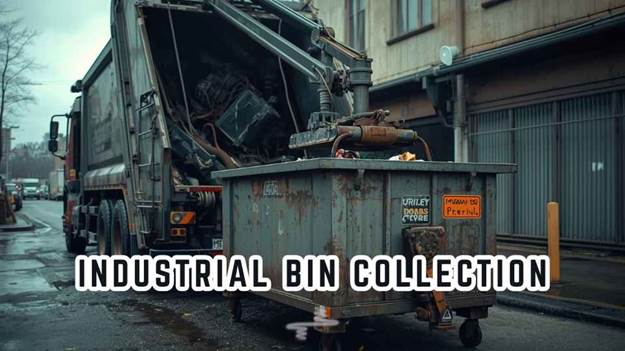
Industrial bin collection refers to the organized process of gathering, sorting, and disposing of waste materials produced by factories, warehouses, and large-scale commercial operations. These bins are specifically designed to handle heavy and bulky waste that regular bins cannot accommodate. Managed by professional waste disposal services, the goal is to ensure that industrial waste is safely collected, transported, and recycled or disposed of in an environmentally responsible way.
This system not only prevents the accumulation of waste but also supports efficient recycling programs, helping industries meet local regulations and sustainability goals.
A Brief Background and Evolution
The concept of industrial bin collection evolved from basic waste dumping practices to modern, eco-conscious systems. In earlier decades, industrial waste was often discarded without segregation, leading to pollution and health risks. Over time, governments and environmental agencies introduced strict waste management laws that pushed companies to adopt safer methods.
Today, many industries rely on commercial waste collection services that use advanced equipment, GPS tracking, and eco-friendly strategies. This shift has reduced landfill dependency and promoted recycling of materials such as plastics, metals, and cardboard.
The Importance of Industrial Bin Collection for Businesses
Maintaining Clean and Safe Work Environments
Proper waste management plays a crucial role in ensuring a hygienic and organized workplace. Overflowing bins and unmanaged waste can attract pests, emit foul odors, and even pose fire hazards. By scheduling regular industrial bin collection, companies maintain safer surroundings for employees and visitors alike.
Meeting Environmental Regulations
Environmental compliance is no longer optional for modern businesses. Governments impose strict regulations for waste segregation, disposal, and recycling. Having a professional waste collection system ensures adherence to these laws, preventing fines or reputational damage.
Boosting Corporate Sustainability Goals
Industrial bin collection supports corporate sustainability initiatives by promoting recycling and reducing carbon footprints. Many organizations now adopt eco-friendly waste management systems to align with green policies and gain recognition as environmentally responsible companies.
Key Benefits of Industrial Bin Collection Services
1. Efficiency and Convenience
Businesses no longer need to worry about where to dispose of large quantities of waste. Professional waste management companies provide scheduled pickups and flexible bin sizes, ensuring smooth waste handling.
2. Cost-Effectiveness
Outsourcing waste collection can save costs in the long run by reducing labor, transportation, and landfill expenses. Companies can also recycle materials for reuse, lowering raw material costs.
3. Environmental Protection
Proper segregation and recycling minimize pollution and help conserve natural resources. By reducing landfill waste, industries play a role in protecting ecosystems and maintaining cleaner communities.
4. Enhanced Workplace Productivity
Clean, clutter-free environments improve worker morale and safety. Employees are more productive when they work in organized, hygienic surroundings free from waste-related distractions.
5. Customizable Waste Solutions
Many service providers offer tailored waste collection programs. Whether a business deals with packaging waste, construction debris, or hazardous materials, there’s a solution designed for every need.
Examples of customized solutions include:
• Large capacity bins for manufacturing plants
• Compactors for cardboard and plastic waste
• Hazardous waste containers for chemical industries
Common Challenges in Industrial Waste Collection
Despite the many benefits, there are still challenges that industries face in managing waste efficiently.
1. Improper Waste Segregation
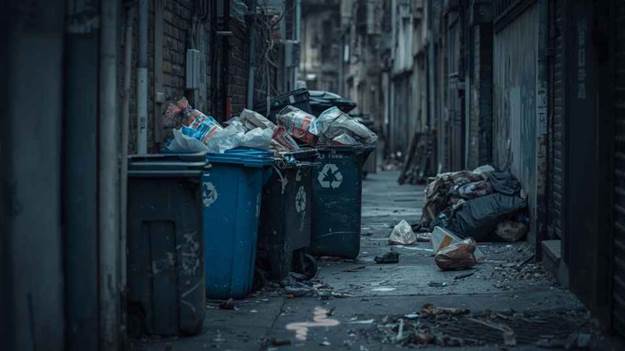
Many businesses fail to separate recyclable materials from general waste, making recycling less effective. Proper labeling and staff training are essential to solve this issue.
2. High Operational Costs
While outsourcing waste collection saves time, the costs can rise for businesses that generate excessive waste. Regular waste audits can help identify areas for cost reduction.
3. Lack of Awareness
Some organizations underestimate the environmental and financial impact of poor waste handling. Awareness campaigns and sustainability programs can help bridge this gap.
4. Limited Recycling Infrastructure
In some industrial zones, recycling facilities may be limited, causing waste to end up in landfills. Collaboration between industries and local governments can improve this situation.
Best Practices for Effective Industrial Waste Management
To make industrial bin collection more effective, businesses can implement the following strategies:
- Conduct regular waste assessments to identify major waste sources.
- Train staff on proper waste segregation techniques.
- Partner with certified waste disposal companies for responsible collection.
- Use color-coded bins to distinguish between recyclable, hazardous, and general waste.
- Monitor waste volumes to optimize bin size and collection frequency.
Quick Tip: Encouraging employees to participate in recycling programs and sustainability drives can greatly enhance waste reduction efforts.
Examples of Successful Industrial Bin Collection Programs
Several global corporations have adopted innovative waste management systems. For example:
• A leading automotive manufacturer reduced landfill waste by 80% through regular recycling programs and waste audits.
• A food processing company implemented biodegradable waste solutions, turning organic waste into compost.
• A packaging firm introduced compactors and scheduled bin collections, cutting disposal costs by 40%.
These examples highlight that sustainable waste management not only benefits the environment but also strengthens brand reputation and operational efficiency.
Conclusion
In conclusion, industrial bin collection plays a crucial role in maintaining cleanliness, safety, and environmental responsibility within modern industries. By integrating efficient waste management systems, businesses can reduce costs, improve workplace hygiene, and contribute to sustainability goals. Proper recycling, responsible disposal, and professional waste services ensure long-term benefits for both the environment and the organization. To stay ahead in a greener future, companies should continue exploring innovative waste solutions and adopt eco-friendly practices that make a lasting positive impact on their communities and the planet.