
Automobile pollution control plays a crucial role in protecting the environment and improving air quality in rapidly growing cities. With the rise in vehicle numbers, harmful emissions like carbon monoxide, nitrogen oxides, and particulate matter continue to degrade urban air. To address this, modern solutions such as green transportation, fuel-efficient engines, and emission reduction technologies are being developed.
This article explores practical and sustainable strategies that help reduce vehicle emissions, promote cleaner mobility, and support a healthier urban lifestyle for future generations.
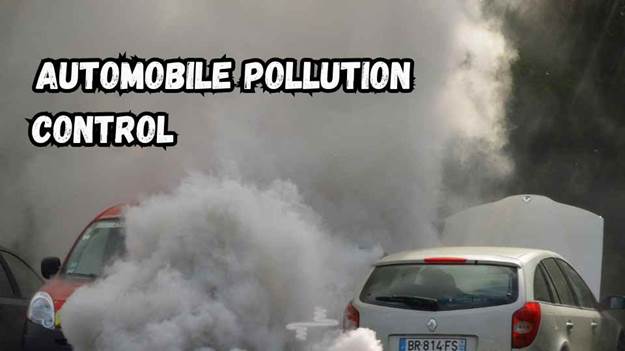
Understanding Automobile Pollution Control and Its Environmental Impact
Automobile pollution control refers to the various methods, technologies, and policies designed to minimize harmful emissions produced by vehicles. These emissions mainly include carbon monoxide (CO), hydrocarbons (HC), nitrogen oxides (NOx), and particulate matter (PM). They contribute significantly to air pollution, respiratory diseases, and climate change. With urbanization and the rising number of vehicles, controlling automobile pollution has become a global priority for cleaner and sustainable cities.
Historically, vehicle pollution began to draw attention in the mid-20th century when smog incidents in major cities highlighted the dangers of exhaust emissions. Governments and environmental agencies worldwide started implementing emission standards and regulations. Over time, innovations like catalytic converters and unleaded fuel revolutionized pollution control systems, setting the foundation for modern-day emission reduction technologies.
Importance of Automobile Pollution Control in Modern Cities
Urban areas face increasing air quality challenges due to heavy traffic and industrialization. Implementing effective automobile pollution control strategies helps maintain public health and environmental balance.
Key Reasons for Its Importance
- Reduces the concentration of harmful gases in the atmosphere
- Prevents respiratory and cardiovascular diseases caused by pollution
- Promotes sustainable transportation systems
- Supports international goals for climate change mitigation
- Enhances urban living standards and quality of life
Clean air initiatives also encourage the use of eco-friendly vehicles, public transport, and renewable fuels, leading to reduced dependence on fossil fuels.
Major Sources of Automobile Emissions
To effectively control pollution, it is essential to understand where vehicle emissions originate. The major contributors include:
- Incomplete fuel combustion – Produces carbon monoxide and hydrocarbons.
- Engine wear and tear – Releases metal particles and unburned fuel residues.
- Evaporation of fuel – Emits volatile organic compounds (VOCs) even when vehicles are stationary.
- Poor maintenance – Leads to inefficient fuel use and higher emissions.
Each of these sources requires targeted control measures through technology and responsible vehicle usage.
Effective Strategies for Automobile Pollution Control
1. Adoption of Cleaner Fuels
Switching to clean fuels such as compressed natural gas (CNG), liquefied petroleum gas (LPG), or biofuels helps reduce the emission of harmful gases. Electric and hybrid vehicles also play a major role in minimizing pollutants.
2. Use of Advanced Emission Control Technologies
Modern vehicles incorporate catalytic converters, diesel particulate filters (DPF), and selective catalytic reduction (SCR) systems. These technologies convert harmful gases into less toxic substances before releasing them into the air.
3. Promotion of Public Transportation
Encouraging public transport, carpooling, and non-motorized modes like cycling or walking helps reduce the total number of vehicles on the road. This directly decreases emissions and fuel consumption.
4. Regular Vehicle Maintenance
Well-maintained engines, clean air filters, and proper tire pressure ensure fuel efficiency and minimize exhaust emissions. Regular emission testing also keeps vehicles compliant with environmental standards.
5. Implementation of Strict Emission Standards
Government policies such as Euro emission norms or Bharat Stage (BS) standards set limits for pollutants released by vehicles. These regulations push manufacturers to innovate and produce cleaner engines.
6. Urban Planning and Traffic Management
Efficient road designs, synchronized traffic lights, and congestion control reduce idling time and fuel wastage. Cities adopting smart traffic systems experience notable improvements in air quality.
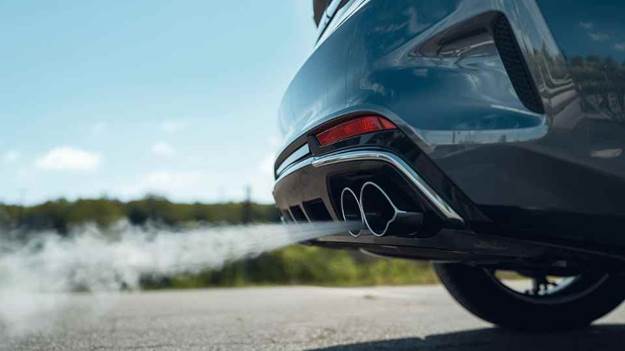
Challenges in Controlling Automobile Pollution
Despite technological advancements, several obstacles still limit the success of pollution control efforts:
- High costs of advanced emission control systems
- Slow adoption of electric and hybrid vehicles due to infrastructure limitations
- Lack of awareness among vehicle owners about maintenance and emissions testing
- Rapid vehicle growth in developing nations without matching pollution management measures
These challenges require joint efforts from governments, industries, and citizens to ensure effective and lasting results.
Benefits of Automobile Pollution Control Measures
Implementing pollution control measures provides multiple environmental, economic, and social benefits.
Environmental Benefits:
- Reduces greenhouse gas emissions and air toxins
- Improves visibility and reduces urban smog
- Supports biodiversity by reducing harmful pollutants
Economic and Health Benefits:
- Lowers healthcare costs related to pollution-induced diseases
- Enhances fuel efficiency, saving money for drivers
- Encourages the growth of green technology industries and innovation
Social Benefits:
- Promotes cleaner, safer, and healthier cities
- Increases public awareness and responsibility toward sustainable living
Real-World Examples of Successful Pollution Control Initiatives
- Delhi, India: Adoption of CNG for public transport reduced harmful emissions significantly.
- California, USA: Implementation of strict vehicle emission standards under the Clean Air Act improved air quality across the state.
- Norway: Incentives for electric vehicle ownership made it a global leader in green transportation.
These examples prove that consistent policies, public cooperation, and innovative technologies can collectively reduce automobile pollution effectively.
The Future of Automobile Pollution Control
As cities evolve, the future of pollution control lies in electric mobility, smart transport systems, and renewable energy integration. The growth of electric vehicles (EVs), coupled with AI-based traffic management and solar-powered charging networks, marks a transformative shift toward cleaner mobility.
Collaboration between governments, car manufacturers, and citizens is essential to make these solutions accessible and effective. With continuous innovation and commitment, achieving a pollution-free transportation system is no longer a distant goal but a realistic vision for sustainable urban living.
Conclusion
In conclusion, automobile pollution control is essential for creating cleaner, healthier, and more sustainable urban environments. By adopting green transportation, enforcing emission standards, and embracing eco-friendly technologies, we can significantly reduce the harmful effects of vehicle emissions. Continuous innovation, public awareness, and responsible driving habits are key to maintaining long-term progress. Together, individuals and governments can transform the way we travel and protect the planet for future generations. To make a real difference, stay informed and explore more about sustainable mobility solutions.