
Information about extinct animals reveals the mysterious and often tragic stories of species that once thrived on Earth but vanished forever. From the mighty mammoths to the flightless dodos, these lost creatures remind us of nature’s delicate balance and the consequences of human actions.
In this article, we’ll explore the surprising causes of extinction, uncover rare animal species that disappeared through history, and examine how environmental changes and human interference played a major role. By understanding these biodiversity losses, we can learn vital lessons to protect the wildlife that still shares our planet. Prepare to discover astonishing facts and thought-provoking insights into how our world has changed over time and what we can still do to preserve its fragile beauty.
Understanding Extinct Animals and Their Historical Background
Information about extinct animals provides insight into the species that once flourished but are no longer found anywhere on Earth. Extinction is a natural process, but in modern times, it has been accelerated by human activity. Historically, species disappeared due to natural events like volcanic eruptions, asteroid impacts, or drastic climate changes. However, over the past few centuries, human-induced causes have taken center stage, leading to a significant rise in extinction rates.
From ancient creatures like the dinosaurs to more recent ones like the dodo bird and Tasmanian tiger, these lost species remind us how environmental shifts and human interference can reshape life on Earth. Understanding these patterns through fossil records and evolutionary studies helps scientists uncover the story of our planet’s biological past and prepare for its ecological future.
Definition and Scientific Understanding of Extinction
What Does Extinction Mean?
Extinction occurs when the last living member of a species dies, ending its genetic lineage. This means that no individuals remain to reproduce or sustain the population. It can happen naturally or as a result of external pressures such as habitat loss, climate change, or overexploitation.
Scientists use fossils, DNA studies, and historical records to track extinct species and determine the reasons behind their disappearance. This scientific approach not only helps classify extinct creatures but also identifies endangered species information that are at risk today.
Different Types of Extinction Events
- Background extinction – happens slowly over time as species fail to adapt
- Mass extinction – occurs rapidly when large numbers of species die off simultaneously
- Local extinction – species disappear from specific regions but survive elsewhere
The most famous mass extinction event is the Cretaceous-Paleogene extinction, which wiped out nearly 75% of life on Earth, including the dinosaurs.
Major Causes Behind Extinction of Species
Natural Causes of Extinction
Before human impact, many species vanished due to environmental and geological changes. Natural causes include:
- Climate fluctuations that made habitats unsuitable
- Volcanic eruptions releasing toxic gases and ash clouds
- Asteroid impacts leading to sudden global cooling
- Predator-prey imbalance disrupting ecosystems
For instance, the ice age played a major role in the extinction of the woolly mammoth, as changing temperatures reduced its food sources and habitat range.
Human-Induced Causes of Extinction
In the modern era, human activities have greatly increased extinction rates. Some key causes are:
- Deforestation destroying natural habitats
- Pollution contaminating air, land, and water
- Overhunting and poaching reducing animal populations
- Climate change altering ecosystems globally
- Invasive species outcompeting native wildlife
An example of human impact is the extinction of the Passenger Pigeon, which was once one of North America’s most abundant birds. Overhunting and habitat loss led to its disappearance in less than a century.
Importance of Studying Extinct Animals
Learning from information about extinct animals is vital for both science and conservation. It helps us:
- Understand evolutionary history and how species adapt
- Recognize human actions that accelerate biodiversity loss
- Develop better conservation strategies for endangered species
- Restore damaged ecosystems using related surviving species
Additionally, research on extinction patterns can help predict which species might be at risk in the future, giving scientists time to take protective action.
Famous Examples of Extinct Species
1. The Dodo Bird
Native to Mauritius, the dodo was a flightless bird that became extinct in the late 1600s due to hunting and invasive species brought by sailors.
2. The Saber-Toothed Tiger
Known for its large canine teeth, this predator disappeared around 10,000 years ago after changes in prey availability during the ice age.
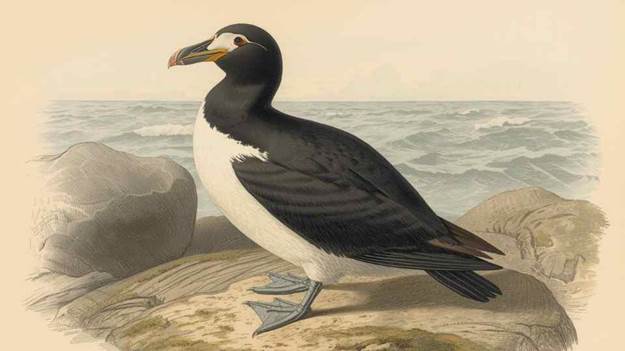
3. The Great Auk
This North Atlantic bird was hunted extensively for its feathers and oil, leading to its extinction in the 19th century.
4. The Tasmanian Tiger
Native to Australia, the thylacine was hunted to extinction in the 1930s. Today, it symbolizes the importance of wildlife protection.
Each of these examples highlights how fragile ecosystems can be when faced with human interference and environmental change.
Challenges in Protecting Today’s Wildlife
Despite modern awareness and scientific advancement, protecting current species remains challenging.
Some ongoing issues include:
- Illegal wildlife trade targeting rare species
- Deforestation caused by expanding agriculture and urbanization
- Climate change disrupting natural cycles and breeding patterns
- Pollution contaminating land and water sources
Organizations worldwide are working to counter these threats through wildlife conservation programs, stricter laws, and educational campaigns. However, global cooperation is essential for real progress.
Benefits of Learning About Extinct Species
Understanding information about extinct animals provides multiple benefits beyond scientific knowledge. It promotes environmental awareness and encourages responsible behavior toward nature.
Key benefits include:
- Strengthening ecological education
- Inspiring conservation efforts
- Preserving genetic data for future studies
- Encouraging innovation through de-extinction research
By learning from past mistakes, humans can take smarter actions to preserve the natural world and maintain biodiversity balance for generations to come.
Lessons for the Future of Our Planet
The extinction of species teaches us that every living organism plays a role in maintaining ecological harmony. The more we study and understand these losses, the better equipped we are to protect existing life.
To prevent further extinction, we can:
- Support environmental protection initiatives
- Reduce pollution and unsustainable consumption
- Educate others about wildlife preservation
Ultimately, the information about extinct animals serves as a reminder of our responsibility. The fate of countless species lies in our hands, and by acting wisely today, we can ensure a thriving, diverse planet for the future.
Conclusion
Understanding information about extinct animals helps us realize how fragile our planet’s ecosystems truly are. The stories of the dodo, mammoth, and countless other lost species remind us of the devastating impact of biodiversity loss and human actions. By studying their disappearance, we gain the knowledge needed to protect today’s endangered wildlife and prevent future extinctions. Let’s stay informed, support wildlife conservation, and continue exploring the wonders of nature to ensure no more species fade into history. Together, we can build a more sustainable and life-rich planet.