
The top extinct animals tell the fascinating story of how nature’s mightiest creatures once dominated our planet before vanishing forever. From the colossal woolly mammoth to the fierce saber-toothed tiger, these lost species reveal the changing face of Earth’s history. Understanding their extinction helps us see the delicate balance between evolution, environment, and survival.
In this article, we’ll explore some of the most remarkable animals that disappeared due to natural disasters, climate shifts, or human activities. By learning about these ancient giants and mysterious beasts, we can better protect today’s endangered species and preserve biodiversity for future generations.
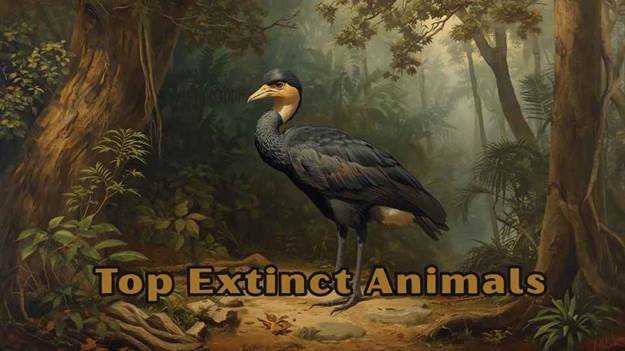
The Fascinating History and Legacy of the Top Extinct Animals
The top extinct animals are not just remnants of a forgotten past; they are key to understanding evolution and how life adapts or fails to adapt to changing environments. These magnificent creatures once ruled diverse habitats across the planet, from icy tundras to tropical jungles. Their disappearance teaches us valuable lessons about climate change, natural selection, and the human impact on ecosystems. Let’s explore the history, significance, and stories behind these extraordinary species.
Understanding Extinction and Its Causes
Extinction happens when an entire species vanishes and no longer exists anywhere on Earth. It’s a natural process, but in recent centuries, human activity has dramatically accelerated the rate of extinction.
Major causes of extinction include:
- Climate change and habitat loss
- Overhunting and poaching
- Natural disasters like volcanic eruptions or asteroid impacts
- Disease and food scarcity
- Competition with invasive species
The top extinct animals we know today vanished for one or more of these reasons. Studying their stories allows scientists to prevent similar fates for today’s endangered creatures.
The Age of Prehistoric Giants
The Mighty Woolly Mammoth
One of the most recognized extinct animals, the woolly mammoth, lived during the Ice Age. Covered in thick fur and equipped with long tusks, it roamed across northern Europe, Asia, and North America. These majestic creatures disappeared around 4,000 years ago, likely due to a combination of warming climates and overhunting by humans.
Interesting facts about woolly mammoths:
- They could weigh up to 6 tons.
- They used their tusks to dig through snow for vegetation.
- DNA studies suggest scientists may one day attempt to bring them back through cloning.
Saber-Toothed Tiger
Known for its fearsome fangs, the saber-toothed tiger was a dominant predator in prehistoric America. Despite its power, it faced extinction about 10,000 years ago. Climate shifts and the decline of large prey species likely led to its downfall.
Key characteristics:
- Had long, curved canine teeth up to 7 inches.
- Lived in packs, much like modern lions.
- Fossils found in the La Brea Tar Pits offer crucial insights into Ice Age ecosystems.
The Age of Dinosaurs: The Ultimate Rulers of Earth
Tyrannosaurus Rex: The Apex Predator
Among the top extinct animals, Tyrannosaurus rex stands out as the ultimate carnivore. With massive jaws and a powerful tail, it dominated the late Cretaceous period about 65 million years ago.
Quick facts:
- Could grow up to 40 feet long.
- Had one of the strongest bite forces in history.
- Likely went extinct due to the asteroid impact that ended the dinosaur era.
Triceratops: The Gentle Giant
This herbivorous dinosaur, famous for its three horns and bony frill, roamed North America at the same time as T. rex. Triceratops relied on its horns for defense and dominance. Its fossils give paleontologists insight into dinosaur behavior and social structures.
Aquatic Extinctions: Lost Titans of the Sea
Megalodon: The Ocean’s Giant Shark
The Megalodon was the largest shark ever to exist, believed to have measured up to 60 feet in length. It ruled the oceans for millions of years before vanishing around 3 million years ago.
Reasons for extinction:
- Decline in prey populations
- Cooling ocean temperatures
- Competition from smaller, faster sharks like the great white
Ichthyosaurus: The Marine Reptile
This dolphin-like reptile lived during the Mesozoic Era. The Ichthyosaurus shows how evolution adapted land reptiles for marine life. However, changing sea levels and environmental shifts led to its extinction.
Birds That Vanished Forever
The Dodo: A Symbol of Human Impact
The dodo bird of Mauritius is among the most famous top extinct animals. This flightless bird disappeared in the late 1600s due to hunting and invasive species brought by sailors.
Key takeaways:
- Stood about 3 feet tall.
- Ate fruits, nuts, and roots.
- Became a symbol of human-driven extinction.
Passenger Pigeon: Once Billions, Now None
At one time, billions of passenger pigeons darkened North American skies. However, excessive hunting and habitat destruction led to their extinction by 1914. Their loss highlights the devastating impact of overexploitation.

The Importance of Remembering Extinct Species
Studying top extinct animals helps us understand:
- How species adapt to environmental pressures
- The impact of climate and human actions on biodiversity
- Ways to conserve modern endangered animals
Benefits of studying extinction:
- Improves conservation science
- Educates the public about ecological balance
- Encourages sustainable coexistence with nature
However, challenges remain:
- Limited fossil evidence
- Incomplete genetic data
- Difficulty predicting future extinctions
Modern Lessons from Ancient Losses
Extinct animals remind us that survival depends on balance. The more we learn about these vanished species, the better we can protect living ones. The stories of the mammoth, dodo, and dinosaur are not just tales of the past they are warnings and lessons for the present. By respecting nature and preserving habitats, we can ensure that today’s species do not join the long list of Earth’s lost wonders.
The legacy of the top extinct animals continues to inspire scientific discovery, environmental awareness, and global conservation efforts reminding humanity that every species, no matter how mighty, can vanish if we fail to protect our planet.
Conclusion
The stories of the top extinct animals remind us how fragile life on Earth truly is. From the mighty woolly mammoth to the gentle dodo, each species played a vital role in shaping our planet’s natural history. Their disappearance teaches us about the effects of climate change, human activity, and evolution. By studying these lost creatures, we can protect today’s endangered species and preserve biodiversity. Let’s continue to learn more and explore ways to safeguard the future of life on Earth before more wonders fade into history.