
The 10 endangered plants highlighted in this article reveal the urgent reality of our planet’s declining biodiversity. Across rainforests, deserts, and wetlands, countless unique species are vanishing due to habitat loss, climate change, and deforestation. These plants not only add beauty to the Earth but also play a vital role in maintaining ecological balance.
In this article, we’ll explore the most threatened plant species, uncover the reasons behind their decline, and discuss meaningful steps to protect them. Understanding these rare botanical treasures can inspire us all to take action and preserve nature’s delicate harmony for future generations.
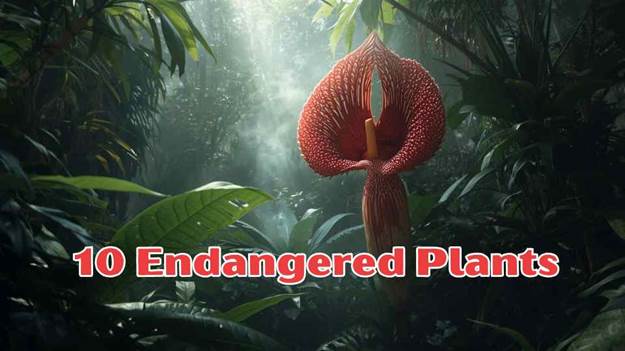
Exploring 10 Endangered Plants and the Urgent Need for Conservation
The 10 endangered plants we see disappearing from our world represent more than just fading beauty they signify the loss of biodiversity, habitats, and ecological balance. These rare species are a vital part of Earth’s natural web, providing oxygen, food, and medicine. Yet, deforestation, urbanization, and climate change continue to push them closer to extinction. Understanding their significance and the reasons behind their decline is key to preserving them for future generations.
What Are Endangered Plants?
Endangered plants are species facing a high risk of extinction in the near future. The International Union for Conservation of Nature (IUCN) classifies plants as endangered when their population falls drastically or when their natural habitat is threatened. The 10 endangered plants we discuss here highlight the growing global challenge of protecting fragile ecosystems. These plants range from ancient species to unique flowering varieties, each playing a distinct role in the planet’s survival system.
Historical Background and Decline
The history of plant extinction began long before industrialization, but human activity has dramatically accelerated the process. Over centuries, land clearing for farming, logging, and mining has destroyed millions of acres of natural habitat. Today, the key factors causing the decline of endangered flora include:
- Habitat loss due to expanding cities and agriculture
- Pollution contaminating soil and water sources
- Overharvesting for trade, medicine, and decoration
- Climate change altering rainfall and temperature patterns
- Invasive species outcompeting native plants
Each of these factors has contributed to the decline of the 10 endangered plants, making conservation efforts more urgent than ever.
Why Endangered Plants Are Important
Plants are the lungs of our planet. They provide oxygen, stabilize ecosystems, and serve as food sources for animals and humans alike. Without them, entire ecosystems would collapse. The endangered plant species also:
- Support pollination by sustaining bees, butterflies, and birds
- Protect soil from erosion and maintain fertility
- Help regulate the water cycle
- Provide medicinal compounds used in modern treatments
- Contribute to local economies through sustainable agriculture and tourism
Preserving these plants means preserving life itself.
Examples of 10 Endangered Plants and Their Unique Features
1. Rafflesia arnoldii
Known as the largest flower on Earth, this rare species grows in the rainforests of Indonesia and Malaysia. Its strong odor attracts insects for pollination. Deforestation and habitat loss have made it one of the 10 endangered plants close to extinction.
2. Venus Flytrap
Native to North and South Carolina, this carnivorous plant captures insects using its unique trap-like leaves. Illegal collection and loss of wetlands have severely reduced its population.
3. Western Prairie Fringed Orchid
This delicate orchid depends on specific pollinators and thrives in moist grasslands. Human interference and invasive weeds threaten its existence.
4. Baobab Tree
Found in Madagascar, the Baobab is known as the “Tree of Life.” It provides food, water, and shelter for humans and wildlife. Climate change has caused many of these iconic trees to die prematurely.
5. Middlemist’s Red
One of the world’s rarest flowers, only two specimens of this plant exist one in the UK and one in New Zealand. Its rarity highlights the importance of plant conservation.
6. Encephalartos woodii
Discovered in South Africa, only male plants exist today. This means it can no longer reproduce naturally, making it one of the most critically endangered species on the planet.
7. Lady’s Slipper Orchid
Known for its vibrant color and unique shape, this orchid is found in Europe and Asia. Over-picking and loss of woodland areas have drastically reduced its numbers.
8. Franklin Tree
Once native to Georgia, USA, this tree became extinct in the wild in the early 1800s. However, it survives in cultivation thanks to conservationists.
9. Jade Vine
This tropical plant from the Philippines features glowing turquoise flowers. It is endangered due to logging and habitat destruction in its native rainforests.
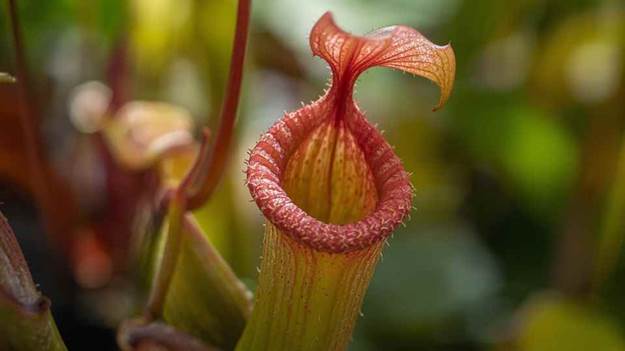
10. Pitcher Plant
A stunning carnivorous plant that traps insects for nutrients. Found in the Philippines, it faces extinction from illegal collection and deforestation.
Challenges in Protecting Endangered Plants
Conservationists face many difficulties when working to protect these species. Some of the biggest challenges include:
- Limited funding for research and preservation projects
- Lack of awareness among communities and policymakers
- Illegal trade of rare plants
- Rapid urban development destroying habitats
- Changing weather patterns due to climate change
These challenges show why protecting the 10 endangered plants requires both local and global cooperation.
Efforts and Solutions for Conservation
To ensure the survival of endangered flora, scientists and organizations have introduced innovative strategies, such as:
- Establishing botanical gardens and seed banks for preservation
- Implementing strict laws against illegal plant trade
- Promoting community-based reforestation programs
- Educating the public about biodiversity
- Supporting sustainable agriculture and eco-tourism
Technological advances like genetic cloning and digital mapping are also being used to monitor plant populations and restore damaged habitats.
How Individuals Can Make a Difference
Every person can play a role in saving the planet’s botanical diversity. You can:
- Grow native plants in your garden to support local ecosystems
- Avoid buying rare or exotic plants collected from the wild
- Support conservation groups and eco-friendly policies
- Reduce carbon emissions to fight climate change
- Spread awareness about the value of preserving endangered flora
A Hopeful Outlook for the Future
The battle to protect the 10 endangered plants is challenging, but not impossible. With ongoing research, government support, and individual responsibility, many of these species can be saved. The more we learn about them, the better we can protect them. Every small effort planting a tree, supporting sustainable farming, or educating others contributes to a greener and more balanced planet.
By valuing and protecting these 10 endangered plants, we not only safeguard biodiversity but also ensure a sustainable future for all living beings on Earth.
Conclusion
The survival of these 10 endangered plants reflects the delicate balance of our planet’s biodiversity. Each rare species plays a vital role in sustaining ecosystems, supporting wildlife, and enriching the environment. Through awareness, conservation, and responsible actions, we can help protect these precious botanical treasures from extinction. Preserving nature today ensures a healthier, greener future for generations to come. Let’s continue to support conservation efforts, learn more about endangered flora, and take collective steps to restore the natural beauty of our planet.