
Understanding endangered species information is essential to recognize how human activities are impacting the planet’s delicate ecosystems. Across the globe, countless animals and plants are facing the threat of extinction due to habitat loss, climate change, and illegal wildlife trade. As natural habitats shrink and species struggle to survive, the importance of global preservation becomes more urgent than ever.
This article explores the reasons behind species endangerment, the global initiatives working toward conservation, and the role individuals can play in restoring ecological balance. By learning about these pressing issues, you’ll gain valuable insight into how small actions can make a big difference in protecting biodiversity and ensuring a sustainable future for generations to come.
Understanding Endangered Species Information and the Importance of Global Biodiversity
What Are Endangered Species?
Endangered species are animals or plants at serious risk of extinction in the near future. According to the International Union for Conservation of Nature (IUCN), these species are classified based on population decline, habitat fragmentation, and other environmental pressures. Learning endangered species information helps people understand how fragile ecosystems truly are and what actions can prevent total biodiversity loss.
A Brief History and Background
The concern for endangered species dates back centuries, but it became a global issue in the 20th century. When industrialization expanded, deforestation and pollution began to destroy natural habitats at an alarming rate. Efforts such as the Endangered Species Act (ESA) of 1973 in the United States marked a turning point. This act aimed to protect species from extinction through conservation programs and habitat restoration. Since then, organizations worldwide, including the World Wildlife Fund (WWF) and the United Nations Environment Programme (UNEP), have worked tirelessly to raise awareness and support global preservation efforts.
Why Endangered Species Matter
Protecting endangered species is vital for maintaining ecological balance. Each organism, no matter how small, plays a role in sustaining life on Earth. From pollinating plants to maintaining food chains, biodiversity ensures the stability of natural systems.
Key reasons endangered species protection is essential include:
- Ecosystem balance – Healthy ecosystems rely on diverse species to function effectively.
- Human survival – Many medicines and crops depend on natural biodiversity.
- Cultural value – Wildlife has deep significance in art, tradition, and spirituality across many cultures.
By gaining authentic endangered species information, individuals and governments can make informed decisions that safeguard both nature and humanity.
Major Causes of Species Endangerment
Species become endangered for several reasons, often linked to human actions. Understanding these causes is the first step toward reversing damage.
1. Habitat Loss: Urban development, deforestation, and mining destroy natural habitats, leaving animals without shelter or food.
2. Climate Change: Shifts in temperature and weather disrupt breeding and migration patterns, making survival difficult.
3. Pollution: Contamination of air, water, and soil harms species that depend on clean environments.
4. Poaching and Illegal Trade: Many species, such as tigers, elephants, and pangolins, are hunted for profit despite conservation laws.
5. Invasive Species: Non-native species often outcompete native ones, reducing biodiversity.
These factors collectively threaten global ecosystems and emphasize why global preservation must remain a top priority.
Examples of Endangered Species Around the World
Numerous species highlight the urgent need for conservation. Some of the most recognized include:
- Sumatran Orangutan – Threatened by palm oil farming and forest fires.
- Hawksbill Turtle – Victimized by illegal shell trade and coral reef degradation.
- Amur Leopard – Native to Russia and China, with fewer than 100 individuals remaining.
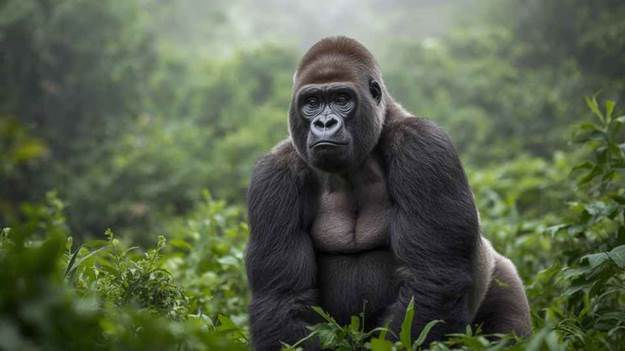
- Mountain Gorilla – A success story showing how conservation efforts can lead to population recovery.
Each case shows how timely endangered species information and effective protection policies can make a real difference.
Global Preservation and Conservation Efforts
Across continents, multiple programs focus on restoring balance to nature. Conservation is no longer limited to governments it’s a global collaboration involving individuals, organizations, and industries.
Notable initiatives include:
- Protected Areas and National Parks – Governments set aside natural habitats where species can live without human interference.
- Captive Breeding Programs – Zoos and research centers help reproduce endangered species in controlled environments for reintroduction into the wild.
- Community-Based Conservation – Local communities participate in protecting nearby ecosystems, creating jobs and promoting sustainable practices.
- Reforestation and Habitat Restoration – Planting trees and cleaning polluted lands help rebuild damaged environments.
Through consistent global action, the survival chances of endangered species continue to improve.
Challenges in Protecting Endangered Species
Despite progress, challenges remain. Conservation demands funding, scientific research, and political commitment resources that are not always available.
Main obstacles include:
- Limited financial resources for long-term conservation projects.
- Lack of education or awareness about biodiversity loss.
- Conflicts between economic growth and environmental protection.
- Slow international cooperation and weak law enforcement.
Addressing these issues requires a unified global approach that combines science, education, and sustainable policy-making.
How Individuals Can Help Save Biodiversity
Protecting nature isn’t just for scientists or policymakers it begins with everyday actions. Small steps collectively create meaningful change.
Ways you can contribute include:
- Supporting eco-friendly products that don’t harm wildlife or habitats.
- Reducing waste, recycling, and conserving water to limit pollution.
- Participating in local tree-planting or cleanup drives.
- Donating to or volunteering with conservation organizations.
- Sharing verified endangered species information online to raise awareness.
Every action counts toward preserving the diversity that keeps our planet alive. By staying informed and responsible, humanity can ensure that future generations inherit a thriving, balanced Earth.
Conclusion
Understanding endangered species information reminds us how crucial it is to preserve the planet’s biodiversity. Protecting wildlife ensures the stability of ecosystems, supports human well-being, and maintains the natural beauty of our world. By staying informed, supporting wildlife conservation, and promoting sustainable living, everyone can play a part in safeguarding Earth’s fragile balance. Continue to learn more, stay updated on global preservation efforts, and take small actions that collectively create a lasting impact on the future of all living species.
1 Comment
Add Yours →[…] This scientific approach not only helps classify extinct creatures but also identifies endangered species information that are at risk […]