
As the world shifts toward cleaner power sources, finding effective solutions to renewable energy has become more critical than ever. Exploring advanced technologies such as solar power innovations, wind energy systems, and energy storage solutions is transforming how we generate and use electricity.
This article delves into practical strategies and emerging methods that can optimize efficiency, reduce environmental impact, and promote sustainable energy adoption. From cutting-edge storage techniques to smart grid integration, readers will gain insights into how these solutions are shaping a greener, more resilient future. Whether you are an industry professional or an environmentally conscious reader, this guide offers a comprehensive overview of the latest advancements in renewable energy technologies and their real-world applications.
Understanding Solutions to Renewable Energy
Definition and Overview
Solutions to renewable energy refer to innovative methods, technologies, and strategies designed to generate, store, and utilize energy from sustainable sources like solar, wind, hydro, and biomass. These solutions aim to reduce dependency on fossil fuels, lower greenhouse gas emissions, and create a cleaner environment. With global energy demand rising, developing efficient solutions is essential for sustainable development and long-term energy security.
Historical Background
The journey toward renewable energy began in the late 19th and early 20th centuries with the adoption of hydropower plants and early wind turbines. Over the decades, technological advancements in solar photovoltaic systems, energy storage, and smart grids have accelerated. Governments and private sectors worldwide now invest heavily in clean energy solutions to meet climate targets and reduce environmental footprints.
Importance of Renewable Energy Solutions
Environmental Significance
Transitioning to renewable energy reduces carbon emissions and mitigates climate change. It also helps preserve natural resources and protects ecosystems. By implementing these solutions, communities can lower air and water pollution levels, leading to healthier living conditions.
Economic Benefits
Investing in renewable energy creates job opportunities in solar panel installation, wind turbine manufacturing, and maintenance of energy storage systems. Additionally, long-term energy costs can be reduced due to lower operational expenses compared to traditional power plants.
Social Impact
Renewable energy solutions provide energy access to remote areas, improving education, healthcare, and overall quality of life. Communities gain resilience against energy shortages and reduce reliance on imported fossil fuels.
Key Types of Renewable Energy Solutions
Solar Energy Solutions
Solar Photovoltaic (PV) Systems
Solar PV systems convert sunlight into electricity using semiconductor materials. They are scalable from small rooftops to large solar farms.
Solar Thermal Systems
Solar thermal solutions use sunlight to heat fluids for residential and industrial applications, offering efficient energy utilization.
Wind Energy Solutions
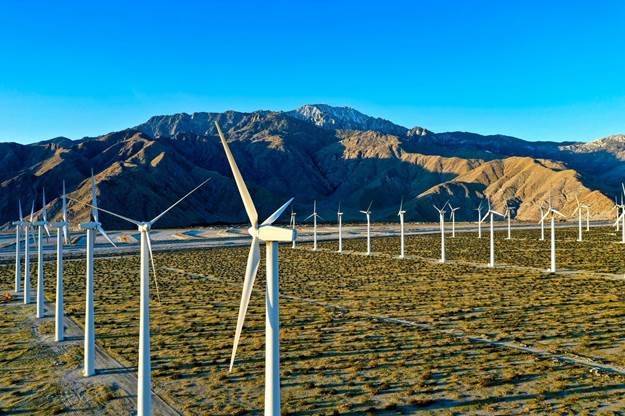
Onshore Wind Turbines
These are installed on land and are cost-effective for regions with consistent wind patterns.
Offshore Wind Turbines
Located at sea, offshore turbines generate higher energy due to stronger and more consistent winds.
Hydropower and Marine Energy
Small-Scale Hydropower
Ideal for local communities, small hydropower plants provide reliable energy without large environmental disruption.
Tidal and Wave Energy
Emerging technologies harness marine energy to generate electricity sustainably from ocean currents and tides.
Energy Storage and Smart Grids
Lithium-ion batteries and flow batteries store excess energy from renewable sources, ensuring continuous supply during low production periods.
Smart Grid Technology
Smart grids optimize energy distribution, balance supply and demand, and reduce wastage. They are essential for integrating multiple renewable sources efficiently.
Benefits of Implementing Renewable Energy Solutions
Environmental and Health Advantages
• Reduces greenhouse gas emissions
• Decreases air and water pollution
• Protects natural ecosystems
Economic and Operational Benefits
• Creates new employment opportunities
• Reduces long-term energy costs
• Enhances energy security and independence
Technological Advancements
• Promotes innovation in energy storage
• Encourages the development of smart grid systems
• Facilitates integration of multiple clean energy sources
Challenges in Renewable Energy Solutions
1. Technical Challenges
• Intermittency of solar and wind energy requires efficient storage solutions
• High initial investment costs for infrastructure and technology
• Grid integration and maintenance can be complex
2. Environmental and Social Challenges
• Large-scale solar or wind farms may impact local wildlife
• Hydropower projects can affect river ecosystems and communities
• Public acceptance and awareness are crucial for adoption
3. Policy and Financial Barriers
• Lack of government incentives or subsidies in some regions
• Difficulty in securing funding for research and large-scale projects
• Regulatory hurdles for offshore and innovative energy projects
Real-World Examples of Renewable Energy Solutions
• Germany’s Energiewende Program focuses on transitioning to 100% renewable energy through solar, wind, and energy storage initiatives
• China’s Large-Scale Solar Farms are among the biggest in the world, producing gigawatts of clean electricity annually
• Tesla’s Megapack Batteries store renewable energy efficiently, supporting grid stability and reducing reliance on fossil fuels
• Denmark’s Offshore Wind Farms generate a significant portion of national electricity while promoting sustainable economic growth
By adopting these solutions to renewable energy, nations and communities can reduce their environmental footprint, strengthen energy independence, and create a more sustainable future. As technology advances and awareness grows, renewable energy solutions are set to play an even greater role in transforming the global energy landscape.
Conclusion:
In today’s rapidly evolving energy landscape, embracing solutions to renewable energy is essential for a cleaner, sustainable future. From solar and wind innovations to advanced energy storage systems and smart grids, these strategies not only reduce environmental impact but also enhance economic growth and energy security. While challenges exist, technological advancements and global initiatives continue to make renewable energy more accessible and efficient. Staying informed about these developments allows individuals and communities to contribute to a greener world. Explore further and stay updated on the latest breakthroughs shaping our sustainable energy future.