
As the world shifts toward cleaner power sources, alternative energy storage solutions are becoming crucial for ensuring reliable and efficient energy supply. From solar farms to wind turbines, storing energy effectively allows us to harness renewable power even when production fluctuates.
This article delves into the latest renewable energy technologies, innovative battery storage systems, and emerging methods that promise to reshape the future of electricity management. Readers will gain insights into how these solutions enhance grid stability, reduce environmental impact, and support sustainable living. Whether you’re a policymaker, engineer, or environmentally conscious individual, understanding these advancements is key to embracing a smarter, greener energy landscape.
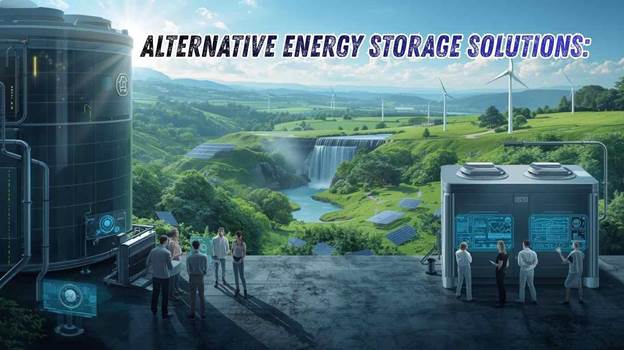
Understanding Alternative Energy Storage Solutions
Alternative energy storage solutions are technologies and methods used to store energy generated from renewable sources like solar, wind, and hydro. These solutions ensure a stable energy supply even when production is inconsistent. Efficient storage is essential for renewable energy integration and grid stability.
Background and Historical Context
Storage solutions for renewable energy has evolved over decades, beginning with basic mechanical systems like pumped hydro storage. Early efforts focused on storing surplus electricity for times of high demand.
Modern Advancements
- Battery energy storage systems (BESS) using lithium-ion and flow batteries
- Development of thermal energy storage for industrial and residential applications
- Compressed air energy storage for large-scale electricity management
Importance of Alternative Energy Storage Solutions
Implementing alternative energy storage solutions is vital for transitioning to a sustainable energy future. These systems enhance efficiency, reliability, and environmental sustainability.
Ecological Significance
Reducing Carbon Footprint
- Storing renewable energy prevents reliance on fossil fuel backup
- Minimizes greenhouse gas emissions and air pollution
Supporting Ecosystem Sustainability
- Reduces pressure on natural resources
- Promotes clean energy use in remote and urban areas
Economic and Social Value
Economic Benefits
- Lowers energy costs through efficient load management
- Supports local economies by creating jobs in energy storage technologies
Social Advantages
- Provides stable electricity supply for communities
- Encourages adoption of green technologies and eco-friendly lifestyles
Benefits of Alternative Energy Storage Solutions
Adopting these solutions delivers numerous advantages for both energy providers and consumers.
Energy Efficiency
- Balances supply and demand effectively
- Reduces energy wastage during peak production
Flexible Power Usage
- Stores energy during low demand for use during high demand
- Enables off-grid and microgrid solutions for remote areas
Environmental Benefits
Sustainable Energy Integration
- Supports large-scale use of solar and wind power
- Reduces dependency on fossil fuels
Climate Resilience
- Maintains electricity supply during extreme weather events
- Enhances energy security and reliability
Challenges in Implementing Energy Storage Solutions
Despite their advantages, alternative energy storage solutions face several technical and financial challenges.
Technological Limitations
- Limited lifespan and capacity of certain battery types
- Need for frequent maintenance and upgrades
- High initial installation costs for large-scale storage
- Integration challenges with existing electricity grids
Economic and Regulatory Challenges
- Lack of standardized policies for energy storage
- Funding gaps for innovative storage projects
- Market barriers limiting adoption in developing regions
Examples of Alternative Energy Storage Solutions
Several real-world implementations highlight the effectiveness of modern energy storage technologies.
Battery Energy Storage Systems (BESS)
- Tesla’s Megapack in California storing hundreds of megawatt-hours
- Large-scale lithium-ion batteries supporting renewable energy farms
Pumped Hydro Storage
- Utilizes surplus electricity to pump water into reservoirs
- Releases water to generate electricity during high demand
Thermal Energy Storage
- Stores heat from solar collectors in molten salts or water tanks
- Powers homes and industries when sunlight is unavailable
Compressed Air Energy Storage (CAES)
- Air compressed into underground caverns during low demand
- Released to drive turbines and produce electricity when needed
Conclusion
Alternative energy storage solutions are revolutionizing how we generate, store, and consume electricity. They support renewable energy integration, enhance grid reliability, and promote environmental sustainability. Addressing challenges through technology, policy, and investment allows societies to harness their full potential. As these solutions evolve, they provide a clear path toward a cleaner, more resilient, and sustainable energy future.