
In today’s rapidly urbanizing world, sustainable cities and communities examples showcase how innovation and conscious planning can create cleaner, greener, and more livable spaces for everyone. These forward-thinking cities blend modern infrastructure with environmental responsibility, offering solutions to pressing challenges like pollution, congestion, and resource depletion. From renewable energy systems to eco-friendly urban planning and green transportation initiatives, these communities prove that growth and sustainability can go hand in hand.
This article explores inspiring global models that demonstrate how cities can thrive while preserving the planet for future generations. Whether through smart technologies, sustainable housing projects, or community-driven green efforts, these examples highlight the blueprint for a balanced urban future rooted in environmental awareness and social well-being.
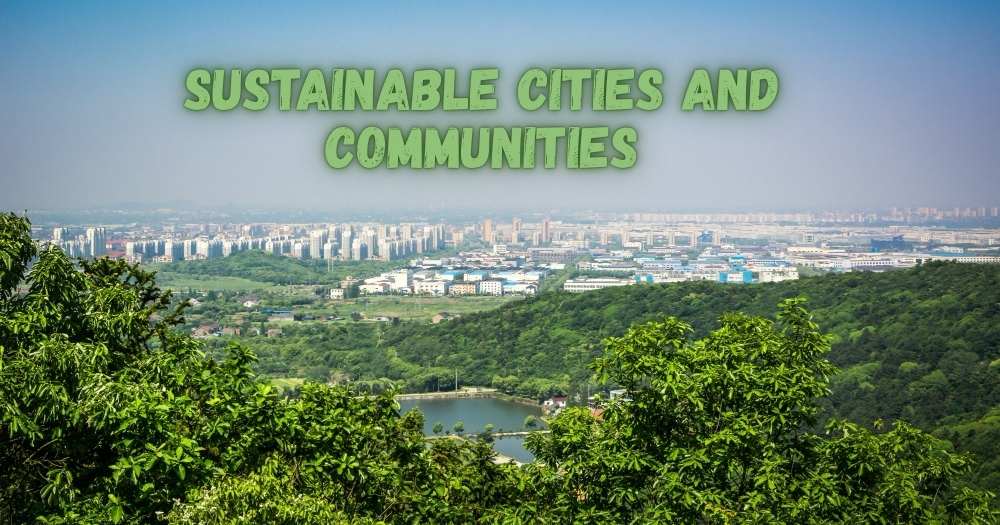
Understanding Sustainable Cities and Communities
Sustainable cities and communities refer to urban areas designed to promote environmental health, social equity, and economic stability while minimizing ecological footprints. The goal is to create spaces where people can thrive without compromising resources for future generations. These cities focus on renewable energy, waste management, efficient transportation, and green architecture to ensure long-term livability.
Background and Evolution of Sustainable Urban Living
The concept of sustainability in urban planning emerged in the late 20th century as rapid industrialization led to pollution, overpopulation, and resource scarcity. The United Nations Sustainable Development Goal (SDG 11), established in 2015, emphasizes building inclusive, safe, and resilient cities. Over time, many global cities have adopted eco-friendly policies and innovative designs to balance modernization with environmental protection.
Importance of Sustainable Cities and Communities
Developing sustainable cities is vital for addressing the growing pressures of urbanization. More than half of the world’s population now lives in cities, and this number continues to rise. Creating eco-conscious communities ensures that cities can support both current and future populations.
Benefits of Sustainable Urban Development
Sustainable communities offer a wide range of benefits that extend beyond environmental preservation.
Key reasons sustainable cities matter:
• They reduce air and water pollution through clean energy systems.
• They enhance public health by promoting green spaces and pedestrian-friendly designs.
• They create job opportunities in sectors like renewable technology and waste recycling.
• They improve social inclusion through accessible housing and efficient transport networks.
1. Environmental Benefits:
• Reduced carbon emissions through solar power and energy-efficient buildings.
• Conservation of natural resources via smart water management.
• Restoration of ecosystems through urban forestry and rooftop gardens.
2. Economic Benefits:
• Increased energy savings from green infrastructure.
• Attraction of sustainable businesses and tourism.
• Job creation in eco-industries such as public transport development and waste-to-energy programs.
3. Social Benefits:
• Improved quality of life with cleaner air and water.
• Greater community engagement through sustainable housing initiatives.
• Reduced inequality as sustainable policies prioritize accessibility and affordability.
Challenges in Building Sustainable Cities and communities
Despite their advantages, achieving sustainability in cities faces several challenges.
Major obstacles include:
• High initial investment in green technologies.
• Lack of public awareness and resistance to behavioral change.
• Inadequate policies or enforcement in developing regions.
• Rapid population growth overwhelming infrastructure systems.
• Limited collaboration between government, private sector, and citizens.
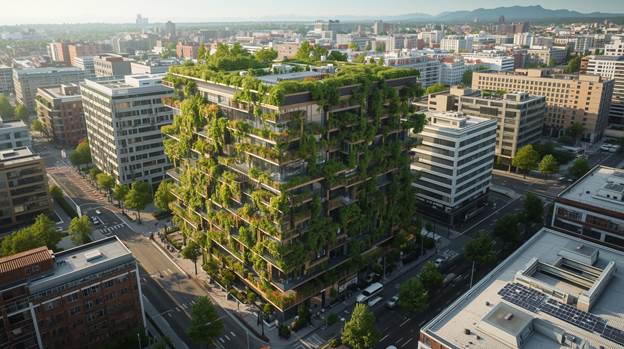
Inspiring Global Examples of Sustainable Cities and Communities
Across the world, several cities have emerged as models of sustainability, setting benchmarks for innovation and responsibility.
1. Copenhagen, Denmark – The Carbon-Neutral Vision
Copenhagen has set an ambitious goal to achieve carbon neutrality by 2025, striving to become the first capital city in the world to completely eliminate its net carbon emissions.The city’s commitment to bicycle-friendly transport, renewable energy, and district heating systems makes it a pioneer in sustainable development. Nearly half of its residents commute by bike daily, reducing pollution and traffic congestion.
2. Singapore – The Garden City Model
Singapore combines advanced technology with extensive greenery. Its eco-friendly urban planning integrates vertical gardens, energy-efficient buildings, and water recycling systems. The city’s Green Mark certification encourages developers to prioritize sustainability in construction projects.
3. Vancouver, Canada – A Leader in Green Innovation
Vancouver’s Greenest City Action Plan focuses on reducing greenhouse gas emissions and increasing access to clean energy. The city invests in sustainable housing projects and aims for zero waste by 2040. Public participation plays a key role in its long-term vision.
4. Curitiba, Brazil – Smart Public Transportation
Curitiba transformed urban mobility through its Bus Rapid Transit (BRT) system. This efficient and affordable network reduces car dependency, saves fuel, and minimizes emissions. The city’s waste management programs also encourage citizens to exchange recyclables for food or transit tokens.
5. Stockholm, Sweden – Sustainable Technology Integration
Stockholm successfully integrates smart city technologies with environmental consciousness. Its focus on renewable energy, digital innovation, and waste-to-energy conversion has helped it rank among the world’s most sustainable urban centers.
Lessons from Successful Sustainable Cities
From these global models, several lessons emerge for developing future-ready cities:
- Encourage citizen participation in planning and implementation.
- Invest in renewable energy infrastructure to ensure clean power access.
- Promote green mobility through public transportation, cycling, and walking.
- Adopt sustainable waste management systems to reduce landfill dependency.
- Integrate smart technologies for efficient monitoring of resources.
Future of Sustainable Urban Living
The path toward building sustainable cities is both challenging and rewarding. With continuous innovation, government support, and public cooperation, the dream of resilient communities is achievable. As climate change intensifies, adopting eco-conscious lifestyles and smart urban planning becomes not just a choice but a necessity.
Sustainable cities and communities examples worldwide prove that harmony between people and nature is possible. By embracing clean energy, inclusive development, and collective responsibility, cities can shape a greener, healthier, and more prosperous future for all.
Conclusion
In summary, sustainable cities and communities examples demonstrate how innovation, planning, and responsibility can transform urban life into a greener and more inclusive experience. By integrating eco-friendly practices, renewable energy, and smart technologies, these cities pave the way toward a cleaner future. The journey to sustainability requires collaboration among governments, businesses, and citizens to maintain progress. As global challenges grow, embracing the principles of sustainable urban living becomes essential. Continue to explore and support initiatives that make our cities healthier, smarter, and more resilient for generations to come.