
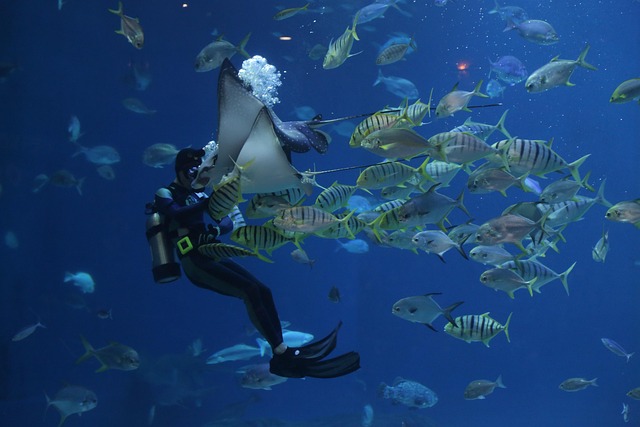
The oceans cover more than 70% of our planet, serving as a vital source of food, oxygen, and climate regulation. Beneath the waves lies an extraordinary world filled with diverse species that play a crucial role in maintaining ecological balance. This hidden universe of Marine wildlife is not only fascinating but also essential for human survival. From tiny plankton to majestic whales, each species has a part in sustaining life on Earth. Unfortunately, human activity continues to threaten the delicate balance of marine ecosystems, making conservation efforts more important than ever.
Understanding Marine Wildlife
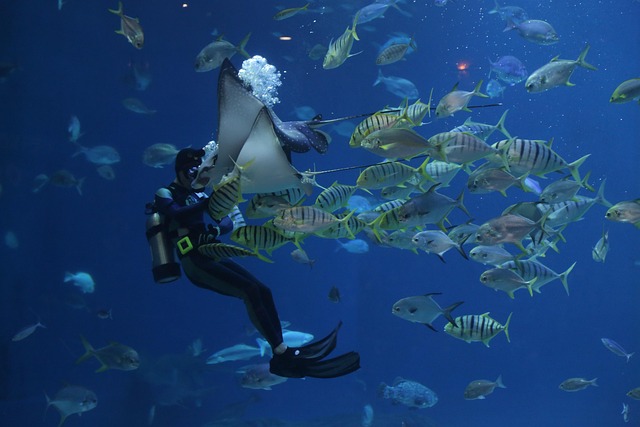
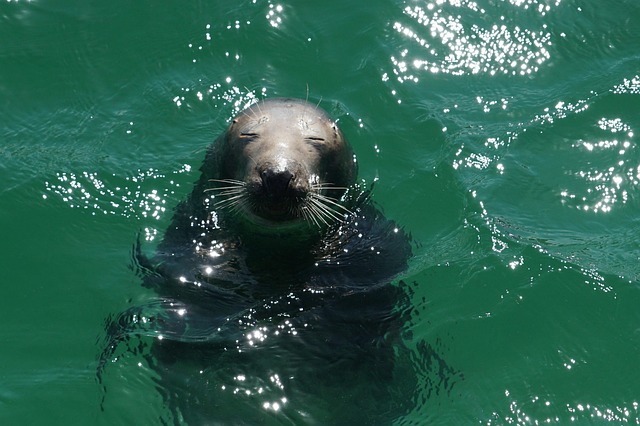
Marine wildlife refers to the countless organisms that live in saltwater environments such as oceans, seas, and coastal areas. This includes mammals like dolphins and seals, fish species, coral reefs, sea turtles, seabirds, and microscopic plankton. These creatures form complex food chains that ensure ocean ecosystems remain healthy. For example, plankton produce most of the world’s oxygen through photosynthesis, while predators like sharks regulate fish populations, keeping ecosystems in balance.
Why Marine Wildlife Matters
The significance of Marine wildlife goes beyond beauty and biodiversity. Oceans regulate global temperatures, absorb carbon dioxide, and provide food and income for millions of people worldwide. Fish and seafood remain a staple diet for billions, while coastal tourism and fishing industries rely heavily on healthy marine ecosystems. By protecting Marine wildlife, we safeguard not just nature but also human livelihoods and future generations.
Threats to Marine Wildlife
Sadly, Marine wildlife faces numerous challenges caused mainly by human activities. Overfishing has reduced fish stocks, pushing many species toward extinction. Pollution, particularly plastic waste, harms marine creatures that mistake debris for food. Oil spills contaminate waters, destroying habitats and poisoning animals. Climate change adds another layer of danger, causing coral bleaching, rising sea levels, and habitat loss. Noise pollution from ships and industrial activities also disrupts the communication and migration patterns of species like whales and dolphins.
The Role of Coral Reefs
Coral reefs are often called the “rainforests of the sea” because of their incredible biodiversity. They are home to nearly a quarter of all Marine wildlife. These reefs provide shelter, breeding grounds, and food for countless species. However, climate change and destructive practices like dynamite fishing are leading to coral degradation worldwide. Protecting reefs is essential not only for marine species but also for coastal communities that rely on them for protection against storms and erosion.
Marine Wildlife and Human Connection
Humans share a deep connection with Marine wildlife. Coastal communities depend on fishing and tourism for survival. Beyond economic benefits, the presence of whales, dolphins, and sea turtles inspires awe and plays a role in cultural traditions across the globe. Many people experience peace and joy simply by watching seabirds fly or fish swim in crystal-clear waters. This connection shows that conserving marine life is not just a scientific concern but also a human responsibility.
Conservation Efforts
The fight to protect Marine wildlife is ongoing, with many organizations and governments taking steps to preserve oceans. Marine protected areas (MPAs) are zones where fishing and industrial activities are restricted, allowing ecosystems to recover. International agreements aim to regulate fishing and reduce pollution, while non-governmental organizations focus on awareness campaigns. Citizens can also play a role by reducing plastic use, supporting sustainable seafood choices, and participating in coastal clean-up projects.
The Role of Technology
Modern technology plays a key role in protecting Marine wildlife. Satellite monitoring helps track illegal fishing, while drones are used to study animal behavior without disturbing habitats. Marine biologists use advanced tracking devices to understand migration patterns of whales, sharks, and sea turtles. These innovations allow scientists to make better conservation decisions and ensure endangered species have a chance to recover.
Climate Change and Its Impact
One of the greatest threats to Marine wildlife is climate change. Rising ocean temperatures lead to coral bleaching, while melting polar ice caps reduce habitats for animals like polar bears and seals. Warmer seas also change fish migration routes, affecting communities that depend on fishing. By reducing carbon emissions and transitioning to renewable energy, humanity can help slow these impacts and give marine ecosystems a chance to adapt.
What Individuals Can Do
Every individual has a role to play in protecting Marine wildlife. Simple actions like reducing plastic waste, avoiding single-use items, and choosing eco-friendly products can make a big difference. Supporting organizations that work on marine conservation and volunteering in local beach clean-ups also contribute to healthier oceans. Educating children about the value of marine ecosystems ensures that the next generation grows up with a sense of responsibility toward protecting our oceans.
The Future of Marine Wildlife
If current threats continue unchecked, the future of Marine wildlife looks uncertain. Many species face extinction, and ecosystems may collapse, causing a ripple effect on human societies. However, with collective global efforts, change is possible. By promoting sustainable fishing, expanding protected areas, and adopting green technologies, we can create a future where marine ecosystems flourish. Protecting oceans is not just about saving animals it’s about preserving life itself.
Conclusion
The oceans are the beating heart of our planet, and Marine wildlife forms the foundation of these ecosystems. Protecting them is not optional it is essential for our health, food security, and survival. From colorful coral reefs to majestic whales, marine life reminds us of the beauty and complexity of nature. As global citizens, it is our duty to respect and safeguard these precious resources. Every action, no matter how small, contributes to the bigger picture of conservation. By taking steps today, we ensure that future generations can continue to marvel at the wonders of Marine wildlife.