
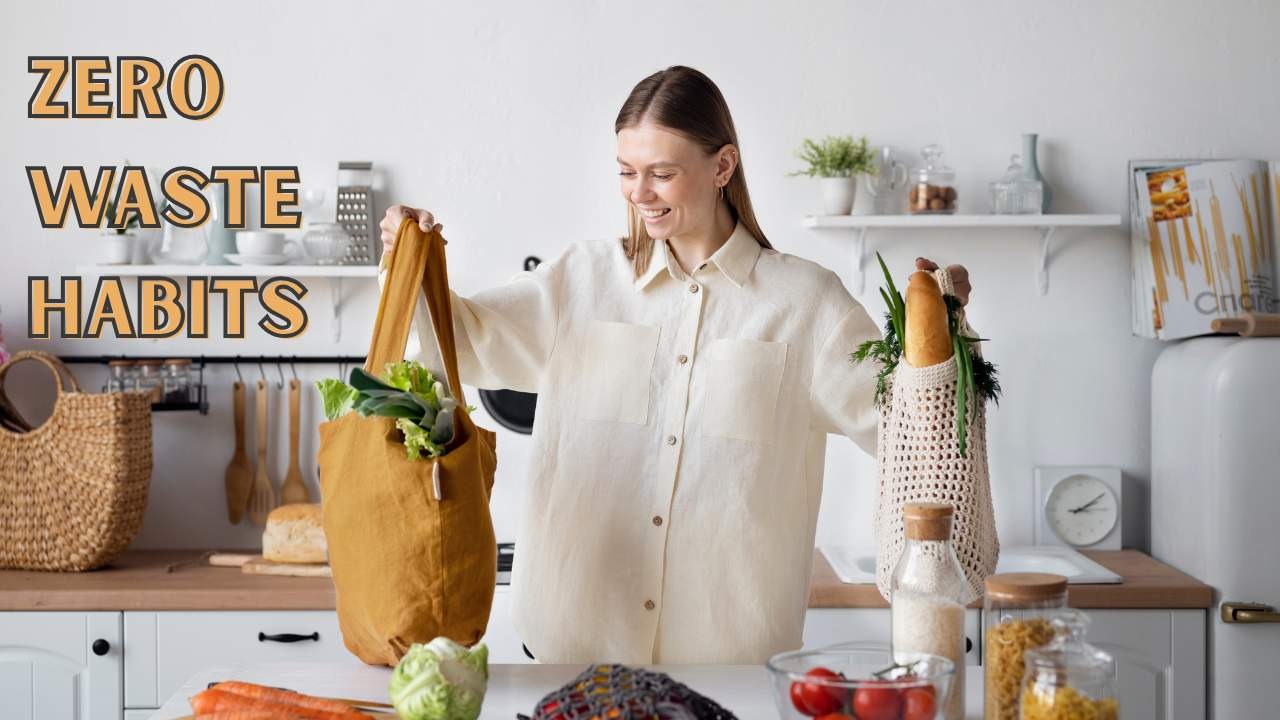
Zero waste habits are more than just an eco-friendly trendthey’re a smart lifestyle choice that benefits both your wallet and the environment. By reducing unnecessary waste, reusing materials, and choosing sustainable products, you can make a meaningful impact on the planet while cutting down everyday expenses. These small changes, from using reusable containers to embracing minimalist living, help conserve resources and lower costs in the long run.
In this article, you’ll discover how simple, mindful actions can lead to lasting financial savings, a cleaner environment, and a more sustainable future through the power of zero waste living.
Understanding Zero Waste Habits and Sustainable Living
Adopting zero waste habits means making conscious decisions that reduce waste generation and maximize resource use. The concept encourages individuals to shift from a “use and throw” mindset to a lifestyle of recycling, reusing, and reducing consumption. Instead of relying on disposable products, people are embracing long-lasting, eco-friendly alternatives. These small yet meaningful actions help lower household expenses while protecting natural ecosystems. The idea of zero waste isn’t about perfection it’s about progress, consistency, and awareness.
The Background and Evolution of the Zero Waste Movement
The zero waste lifestyle originated from growing concerns about pollution and overconsumption. It gained traction in the early 2000s when environmental activists began promoting sustainable living as a response to the global waste crisis. Over time, it evolved into a worldwide movement driven by environmental organizations, social media influencers, and conscious consumers.
The approach is guided by the five R’s principle:
- Refuse what you don’t need
- Reduce what you use
- Reuse what you can
- Recycle properly
- Rot (compost) the rest
These principles form the foundation of every successful zero waste routine.
Why Zero Waste Habits Matter
Practicing zero waste habits isn’t just about environmental ethics it’s also about financial sustainability. By limiting consumption and reusing what you already own, you naturally reduce your expenses.It benefits both your finances and the environment.
Key reasons zero waste habits matter:
• They reduce landfill waste and pollution.
• They promote eco-conscious choices.
• They cut down unnecessary household spending.
• They encourage mindful consumption and long-term savings.
Living sustainably allows individuals to feel empowered knowing their daily decisions contribute to a healthier world.
Financial Benefits of Zero Waste Living
Many people don’t realize that zero waste habits directly help them save money. Switching from disposable products to reusable alternatives means spending less over time. For example:
• Using a stainless-steel water bottle instead of buying plastic bottles daily.
• Carrying cloth bags instead of paying for paper or plastic bags.
• Replacing paper towels with washable cloths.
Practical ways to save money through sustainable habits:
- Buy in bulk to reduce packaging costs.
- Repair items instead of replacing them.
- Choose secondhand goods for furniture, clothes, and appliances.
- Grow your own herbs or vegetables to cut grocery costs.
Over time, these small shifts can significantly lower your monthly expenses while reducing your carbon footprint.
Environmental Impact of Zero Waste Practices
Every product we buy has an environmental cost from production and packaging to transportation and disposal. Zero waste living minimizes these impacts by encouraging people to consume responsibly.
Environmental advantages include:
• Lower greenhouse gas emissions
• Less ocean and soil pollution
• Conservation of raw materials and energy
• Reduced demand for single-use plastics
By following sustainable habits, we preserve resources for future generations. Even simple steps like using glass jars for storage or composting kitchen waste make a measurable difference.
Common Challenges in Adopting Zero Waste Habits
Transitioning to a zero waste lifestyle can be challenging at first. Modern society is built around convenience, and many eco-friendly products come with higher upfront costs.
Typical challenges people face:
• Finding local stores that support bulk or package-free shopping.
• Adjusting to reusables when disposable options are easier.
• Managing time for composting or DIY projects.
• Overcoming social pressure or misconceptions about sustainable living.
Tips to overcome these obstacles:
- Start smallreplace one disposable item each week.
- Join eco-friendly communities for motivation and support.
- Plan ahead for shopping and meal prep to reduce waste.
- Focus on progress, not perfection every step counts.
The key is consistency. Once these practices become part of your routine, they feel effortless.

Real-Life Examples of Zero Waste Success
Many individuals and businesses worldwide are leading the way in sustainable living. For instance:
• Families who switched to bulk shopping now save up to 30% monthly on groceries.
• Small cafes adopting eco-conscious packaging have reduced their waste by half.
• Schools encouraging composting programs have significantly cut down food waste.
These examples prove that change starts with everyday actions. When individuals commit to green habits, the collective impact becomes powerful.
The Broader Importance of Sustainable Habits
Beyond financial and environmental benefits, zero waste habits promote mindfulness, gratitude, and intentional living. They help people reconnect with what truly matters quality over quantity. By consuming less and valuing more, we build stronger, more balanced communities.
Zero waste living is not a strict rulebook; it’s a flexible guide toward conscious choices. Every effort from carrying a reusable cup to avoiding unnecessary packaging contributes to a more sustainable planet.
In embracing zero waste habits, you’re not just saving money you’re investing in a cleaner, more sustainable world. Through consistent effort, awareness, and community support, everyone can be part of this positive global transformation.
Conclusion
Incorporating zero waste habits into your daily life is a simple yet powerful way to save money while protecting the environment. By making mindful choices, reducing consumption, and reusing materials, you contribute to a cleaner and more sustainable planet. These small steps not only support eco-friendly living but also inspire others to do the same. Start todayevery action matters. Learn more, stay committed, and continue exploring ways to make sustainability a lasting part of your lifestyle.