
Green energy storage is revolutionizing how we capture, save, and use renewable power. As the world transitions toward cleaner energy sources, smart grids, renewable technology, and sustainable power solutions are becoming essential for building a greener future. These intelligent systems not only store excess energy from solar and wind sources but also ensure a stable and reliable power supply even during peak demand.
In this article, we’ll explore how innovative storage systems are transforming global energy management, enhancing efficiency, and reducing our dependence on fossil fuels paving the way for a cleaner, smarter, and more sustainable planet.
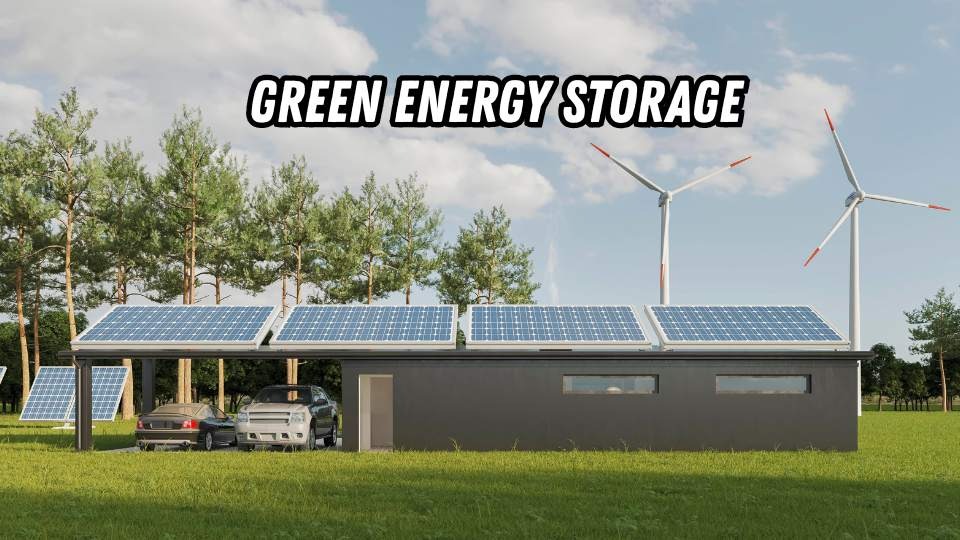
Understanding Green Energy Storage: Definition and Background
Green energy storage refers to the methods and technologies used to capture and hold energy generated from renewable sources like solar, wind, and hydropower. Unlike traditional energy storage, which often relies on fossil fuels or non-renewable materials, Clean energy storage focuses on environmentally friendly and sustainable options. The concept has evolved significantly over the past few decades as the demand for clean energy solutions has surged. Early energy storage systems were primarily mechanical or chemical, but today’s innovations include advanced batteries, pumped hydro storage, and thermal storage, all designed to optimize the use of intermittent renewable power.
The background of Renewable energy storage is closely tied to the global push for decarbonization. As countries adopt ambitious climate goals, the need to store excess renewable energy efficiently has become critical. This helps balance supply and demand, making renewable energy a reliable alternative to fossil fuels.
The Importance of Green Energy Storage in Renewable Energy Systems
The importance of green energy storage cannot be overstated in the transition toward sustainable energy systems. Renewable energy sources like solar and wind are naturally intermittent they generate power only when the sun shines or the wind blows. Without effective storage, excess energy produced during peak times could be wasted.
Key reasons why Green power storage matters:
- Enhances grid stability by storing surplus energy for later use
- Reduces reliance on fossil fuels, lowering carbon emissions
- Supports energy independence by minimizing the need for imported fuels
- Enables integration of more renewable sources into the energy mix
- Provides backup power during outages or peak demand periods
By addressing these challenges, it plays a pivotal role in creating a cleaner, more reliable energy future.
Benefits of Smart Systems in Green Energy Storage
Smart energy storage systems bring numerous benefits that traditional storage methods often lack. These systems incorporate advanced technologies like IoT (Internet of Things), AI (Artificial Intelligence), and machine learning to optimize energy management.
Benefits include:
- Improved energy efficiency through real-time monitoring and adaptive control
- Saving costs by minimizing energy loss and enhancing usage efficiency
- Enhanced lifespan of storage devices with predictive maintenance and smart diagnostics
- Better integration with smart grids for seamless energy distribution
- Increased flexibility to handle varying energy loads and sources
These advantages make smart storage solutions a game-changer for both residential and industrial energy users.
Challenges Facing Green Energy Storage
Despite its potential, green energy storage faces several challenges that must be overcome to maximize its impact.
Some of the key hurdles include:
- High initial costs: Advanced storage technologies, especially batteries, often require significant upfront investment.
- Energy density limitations: Some storage methods can store only limited amounts of energy relative to their size or weight.
- Material sustainability: Certain batteries rely on rare or environmentally harmful materials, which can conflict with green goals.
- Efficiency losses: Energy is lost during storage and retrieval, affecting overall system performance.
- Regulatory and infrastructure barriers: Lack of supportive policies or grid infrastructure can slow adoption.
Addressing these issues requires ongoing research, innovation, and supportive government policies to create scalable and affordable solutions.
Examples of Green Energy Storage Technologies
There are several promising technologies currently driving theSustainable energy storage revolution:
1. Lithium-Ion Batteries
Lithium-ion batteries are widely used due to their high energy density and efficiency. They power everything from electric vehicles to grid storage projects. Their ability to quickly charge and discharge makes them ideal for balancing renewable energy supply.
2. Pumped Hydro Storage
This traditional method involves pumping water uphill during periods of excess energy and releasing it to generate electricity when needed. It is one of the oldest and most reliable forms of energy storage and continues to play a significant role in grid stability.
3. Flow Batteries
Flow batteries use liquid electrolytes stored in external tanks, allowing for flexible scaling of energy capacity. They offer longer cycle life and are safer than many solid-state batteries, making them suitable for large-scale storage.
4. Thermal Energy Storage
This technique stores excess energy as heat, which can later be converted back to electricity or used directly for heating. It is particularly effective in solar thermal power plants and industrial applications.

The Role of Smart Grids in Green Energy Storage
Smart grids are essential for optimizing green energy storage. By integrating advanced communication and control technologies, smart grids enable:
- Real-time energy balancing to match supply and demand efficiently
- Distributed energy management that allows homes and businesses to contribute to the grid
- Enhanced grid resilience through rapid fault detection and automated responses
- Demand response programs that incentivize consumers to use energy during off-peak hours
Together, smart grids and energy storage systems are transforming the energy landscape, making renewable power more accessible and reliable.
Conclusion
Green energy storage is a vital component in the shift toward cleaner, more sustainable power. By combining smart grids, renewable technology, and innovative storage methods, we can overcome the challenges of intermittent energy supply and build a more reliable system. These advancements not only reduce environmental impact but also improve efficiency and energy independence. Staying informed about the latest developments in this field can help us support a greener future. Explore further to learn how these smart systems are shaping the way we power our world cleanly and sustainably.