
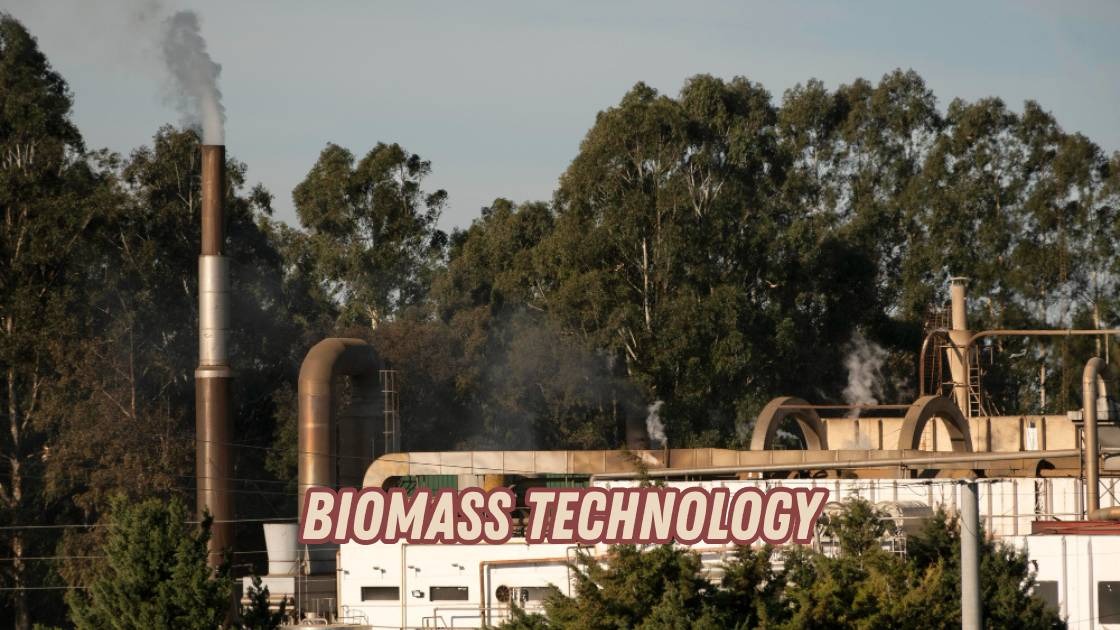
Biomass technology has emerged as a powerful solution in the quest for cleaner and more sustainable energy sources. By converting organic materials into usable fuel, this innovative approach is reshaping how we think about renewable energy.
In this article, we will explore the advantages of biomass energy, its role in reducing carbon footprints, and the latest bioenergy innovations driving this transformation. As the world seeks alternatives to fossil fuels, understanding how biomass fits into the broader energy mix is essential. Whether it’s through agricultural waste, forestry residues, or dedicated energy crops, Bioenergy technology offers a versatile and eco-friendly pathway to meet growing energy demands. Join us as we delve into how these developments are creating a greener future and impacting energy production worldwide.
Understanding Biomass Technology: Definition and Background
It refers to the process of converting organic materials, such as plant matter, agricultural residues, and waste, into usable energy. This form of bioenergy harnesses natural resources that would otherwise decompose or be discarded. Historically, biomass has been used for centuries as a source of heat and fuel, but modern advancements have significantly improved its efficiency and environmental impact.
The development of biomass technology dates back to ancient times when humans burned wood for warmth and cooking. However, with the rise of industrialization and fossil fuels, biomass took a backseat. Today, it’s making a strong comeback due to increasing concerns about climate change and the need for sustainable energy solutions.
Importance of Biomass Technology in Renewable Energy
It plays a crucial role in diversifying the renewable energy portfolio. It provides a reliable alternative to intermittent sources like solar and wind by offering consistent energy output. The use of biomass reduces dependence on fossil fuels, cutting greenhouse gas emissions and mitigating environmental damage.
Here are some reasons why biomass technology is important:
• Biomass utilizes waste materials, promoting waste management and reducing landfill use
• It supports rural economies by creating jobs in biomass collection and processing
• The carbon cycle of biomass is considered carbon neutral, as the CO2 released during combustion is offset by the carbon absorbed during plant growth
• Biomass energy can be stored and transported more easily compared to some renewable sources
Benefits of Biomass Technology: Eco-Friendly and Efficient
The advantages of Biomass energy systems extend beyond environmental benefits. It offers economic and social gains that make it an attractive energy option globally.
Key benefits include:
• Lower greenhouse gas emissions in comparison to fossil fuels
• Energy security by tapping into local resources
• Versatility in applications including electricity generation, heating, and biofuels for transportation
• Ability to convert diverse feedstocks such as wood chips, crop residues, and animal manure
• Encouragement of sustainable agriculture and forestry practices
How Biomass Technology Works: Methods and Innovations
Several advanced methods exist to convert biomass into energy, each with specific applications:
1. Combustion
Burning biomass directly to produce heat or electricity is the most common method. Modern biomass power plants use improved combustion systems to enhance efficiency and reduce emissions.
2. Gasification
This process converts biomass into a combustible gas mixture called syngas, which can power turbines or engines. Gasification offers higher efficiency and cleaner energy production.
3. Anaerobic Digestion
Organic waste is broken down by microorganisms in oxygen-free environments, producing biogas rich in methane. This biogas is suitable for cooking, heating, and electricity generation.
4. Pyrolysis
Biomass is heated in the absence of oxygen, producing bio-oil, syngas, and charcoal. Pyrolysis is gaining attention for producing biofuels and chemicals.
Challenges Facing Biomass Technology
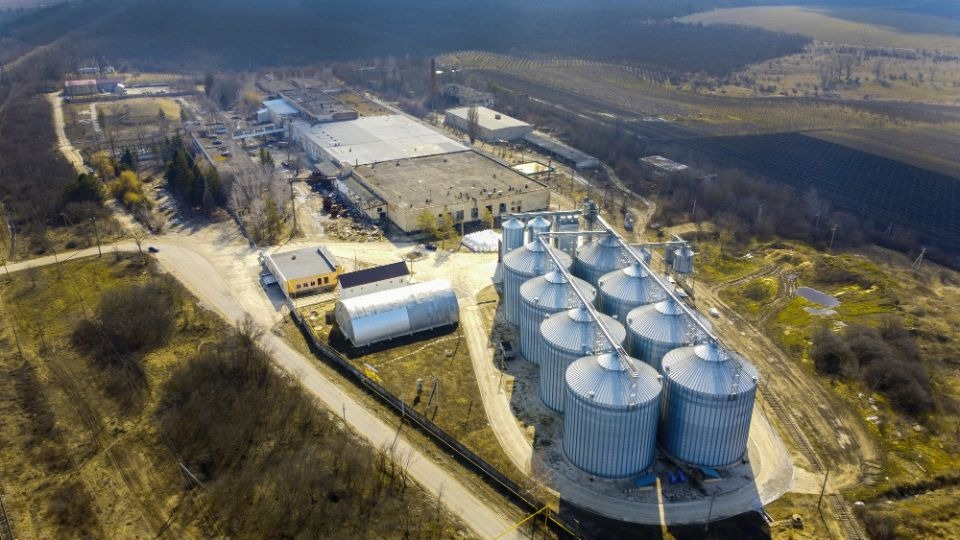
Despite its many benefits, biomass technology faces several challenges that need addressing:
• Feedstock availability and sustainability concerns overharvesting could harm ecosystems
• High initial investment costs for advanced biomass plants
• Logistics and transportation of bulky biomass materials
• Emission concerns from inefficient combustion systems
• Competition with food production for land and resources
Addressing these challenges requires innovation, policy support, and sustainable management practices.
Real-World Examples of Biomass Technology in Action
Several countries and companies have successfully implemented biomass technology to improve their energy mix:
• Sweden generates nearly half of its renewable energy from biomass, using forest residues and waste
• Brazil uses sugarcane bagasse, a byproduct of sugar production, to generate electricity and bioethanol
• The United States has numerous anaerobic digestion projects converting agricultural waste into biogas
• India promotes biomass gasifiers in rural areas to provide off-grid energy solutions
These examples demonstrate biomass’s versatility and its growing global impact.
Future Trends: Advancements in Bioenergy Innovations
Ongoing research is focused on improving biomass technology’s efficiency and reducing environmental impact. Some promising trends include:
• Development of second-generation biofuels from non-food crops and waste
• Integration of biomass with other renewable sources for hybrid energy systems
• Enhanced biorefinery processes producing multiple valuable products from biomass
• Use of genetic engineering to develop higher-yielding energy crops
As these innovations progress, it is set to play a pivotal role in achieving global renewable energy goals.
Renewable biomass solutions is not just a renewable energy option but a dynamic force transforming how energy is produced and consumed worldwide. By balancing environmental benefits with economic opportunities, it continues to shape a sustainable energy future.
Conclusion
Biomass technology offers a promising path toward a cleaner and more sustainable energy future by utilizing organic materials to generate power efficiently. Its benefits include reducing carbon emissions, supporting local economies, and providing versatile energy solutions. While challenges remain, ongoing bioenergy innovations and sustainable practices are driving progress. Understanding the potential of this technology is essential for embracing renewable energy alternatives. Stay informed and explore further how these advancements continue to transform energy landscapes worldwide for a greener tomorrow.