
Rainforests are often called the “lungs of the Earth” because they produce a large share of the oxygen we breathe and regulate global climate patterns. But their importance goes far beyond oxygen. These ecosystems are home to a staggering variety of life forms that cannot be found anywhere else on the planet. Rainforest biodiversity represents one of the richest and most complex collections of species on Earth, sustaining not only animals and plants but also human life. Unfortunately, the destruction of rainforests has placed this biodiversity under serious threat, making awareness and conservation urgent priorities.
Understanding Rainforest Biodiversity
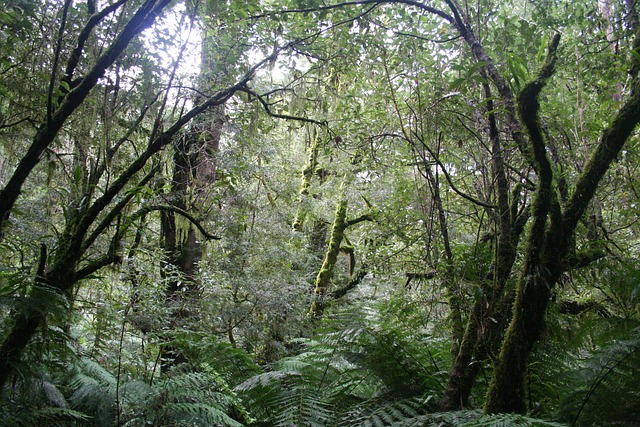
When we talk about Rainforest biodiversity, we refer to the incredible variety of living organisms plants, animals, fungi, and microorganisms that thrive in rainforest ecosystems. These forests, located near the equator in regions like the Amazon, Congo Basin, and Southeast Asia, provide perfect conditions for life: warm temperatures, abundant rainfall, and dense vegetation. As a result, they host more than half of the world’s terrestrial species. From jaguars and toucans to orchids and giant trees, rainforests are a treasure chest of nature’s wonders.
Why Rainforest Biodiversity Matters
The importance of Rainforest biodiversity is hard to overstate. These ecosystems play a critical role in stabilizing the global climate by absorbing carbon dioxide and producing oxygen. They also regulate rainfall, preventing droughts and floods across continents. Beyond climate regulation, rainforests supply food, medicine, and resources for millions of people. In fact, many modern medicines, including treatments for cancer and malaria, are derived from rainforest plants. Without rainforests, both nature and humanity would lose essential sources of survival.
A Home for Unique Species
One of the most fascinating aspects of Rainforest biodiversity is the sheer uniqueness of its species. Many animals and plants are endemic, meaning they exist only in specific rainforest regions. The Amazon rainforest alone is estimated to host around 390 billion individual trees of 16,000 different species. Frogs with vibrant colors, birds with extraordinary songs, and insects with unusual adaptations make rainforests living laboratories of evolution. Protecting these ecosystems ensures that these species, many still undiscovered, are not lost forever.
Threats to Rainforest Biodiversity
Despite their importance, rainforests are under constant threat from human activities. Deforestation for agriculture, logging, and mining destroys vast areas every year. When forests are cleared, countless species lose their habitats, pushing many toward extinction. Climate change further worsens the situation, as rising temperatures and unpredictable rainfall disrupt delicate ecosystems. The illegal wildlife trade also threatens species such as jaguars, parrots, and exotic plants, reducing the richness of Rainforest biodiversity.
Indigenous Communities and Their Role
For centuries, indigenous communities have lived in harmony with rainforests, relying on their resources while protecting them. These communities hold valuable knowledge about medicinal plants, sustainable farming, and ecological balance. Their cultural traditions are deeply connected to Rainforest biodiversity, demonstrating how humans can coexist with nature. Supporting indigenous rights and involving local people in conservation projects are crucial for long-term preservation of these forests.
Economic Value of Rainforest Biodiversity
The economic value of Rainforest biodiversity is enormous. Rainforests provide raw materials such as timber, fruits, nuts, and medicinal plants that support local and global economies. Ecotourism is another growing industry, as travelers seek to experience the beauty and uniqueness of rainforests firsthand. By investing in sustainable practices, societies can benefit financially while ensuring that biodiversity is preserved for future generations. Destroying rainforests, on the other hand, risks long-term economic and ecological collapse.

The Role of Rainforests in Climate Regulation
Rainforests play a vital role in mitigating climate change. Through photosynthesis, they absorb vast amounts of carbon dioxide and release oxygen, balancing the Earth’s atmosphere. Without Rainforest biodiversity, this natural system of climate regulation would collapse, leading to severe global consequences. Protecting rainforests is therefore not only about saving animals and plants it is about safeguarding the planet itself.
Conservation Efforts
Around the world, governments, scientists, and environmental organizations are working to protect Rainforest biodiversity. Strategies include creating protected areas, reforestation projects, and stricter laws against illegal logging and hunting. Non-governmental organizations also play a major role in raising awareness and funding conservation programs. Individuals can contribute by supporting eco-friendly products, reducing paper and palm oil consumption, and donating to rainforest conservation initiatives.
Technology and Research
Advances in technology are helping scientists study Rainforest biodiversity more effectively. Drones, satellite imaging, and tracking devices provide insights into animal movements, deforestation rates, and ecosystem changes. These tools allow researchers to develop better conservation strategies while spreading knowledge to the public. By combining traditional wisdom with modern science, humanity can create stronger solutions to protect rainforests.
How Individuals Can Help
Every person has the power to make a difference in preserving Rainforest biodiversity. Choosing sustainable products, reducing waste, and avoiding items linked to deforestation are small but impactful steps. Supporting organizations that focus on rainforest conservation and educating others about the importance of these ecosystems amplify the impact. Even simple lifestyle changes, like reducing meat consumption, can lower demand for land clearing and help preserve rainforests.
Looking Toward the Future
If we fail to act, the future of Rainforest biodiversity is at risk. Scientists warn that continued deforestation and climate change could lead to the loss of countless species within decades. However, with global awareness and collective action, there is hope. By valuing biodiversity and treating it as an irreplaceable asset, humanity can ensure that rainforests remain thriving ecosystems for generations to come.
Conclusion
Rainforests are among the most important ecosystems on Earth, and Rainforest biodiversity is their greatest treasure. These forests regulate our climate, provide essential resources, and inspire wonder through their unmatched variety of life. Yet they face growing threats from deforestation, climate change, and exploitation. Protecting them is not just about saving plants and animals it is about preserving the very foundation of life on Earth. Every action, from global policies to individual choices, matters in this fight. The future of our planet depends on how we value and protect Rainforest biodiversity today.