
When most people think of deserts, they imagine endless sand dunes, scorching sun, and lifeless landscapes. However, this view only scratches the surface. Desert ecosystems are among the most fascinating and resilient environments on Earth. Despite harsh climates, limited water, and extreme temperatures, deserts are full of life, diversity, and unique adaptations that make them vital to global biodiversity. Understanding these ecosystems reveals not only their beauty but also their crucial role in sustaining our planet.

What Are Desert Ecosystems?
Desert ecosystems are natural environments characterized by low rainfall, usually less than 10 inches (25 cm) annually. They cover about one-third of the Earth’s surface and are found on every continent. These ecosystems are defined not only by their dryness but also by their ability to support specialized plants and animals. From the Sahara in Africa to the Gobi in Asia and the Mojave in North America, deserts differ in landscape but share common survival challenges.
Related article: Desert Sands: Nature’s Timeless Landscapes
The Diversity of Life in Deserts
Though deserts may seem barren, they are surprisingly rich in biodiversity. Plants such as cacti, acacias, and succulents have adapted to store water and withstand extreme heat. Animals like camels, lizards, snakes, foxes, and birds have evolved remarkable survival strategies. In fact, Desert ecosystems are home to species uniquely adapted to thrive where life seems impossible. For example, nocturnal animals avoid daytime heat by hunting at night, while plants grow deep roots to access underground water.
Climate and Environmental Conditions
The defining feature of Desert ecosystems is their extreme climate. Daytime temperatures often soar above 40°C (104°F), while nights can drop below freezing. Rainfall is scarce and unpredictable, leading to long droughts followed by sudden floods. Wind erosion shapes the land into dunes, rocky plateaus, and dry valleys. These conditions create fragile ecosystems that require balance to survive. Even small changes in temperature or rainfall can disrupt life in the desert.
The Importance of Desert Ecosystems
While deserts may appear inhospitable, they provide valuable ecological services. Desert ecosystems regulate global temperatures, store carbon in soils, and host unique biodiversity that contributes to scientific research and medicine. For example, certain desert plants are studied for their drought-resistant properties, offering solutions for agriculture in dry regions. Deserts also support human communities that rely on them for grazing, trade, and cultural identity.
Human Adaptation and Desert Life
Communities living in Desert ecosystems have learned to adapt over centuries. Nomadic tribes use traditional knowledge to find water, grow crops, and raise animals in arid environments. Architecture in desert regions is designed to keep homes cool during the day and warm at night. These adaptations highlight the resilience and ingenuity of humans when faced with challenging natural conditions.
Threats to Desert Ecosystems
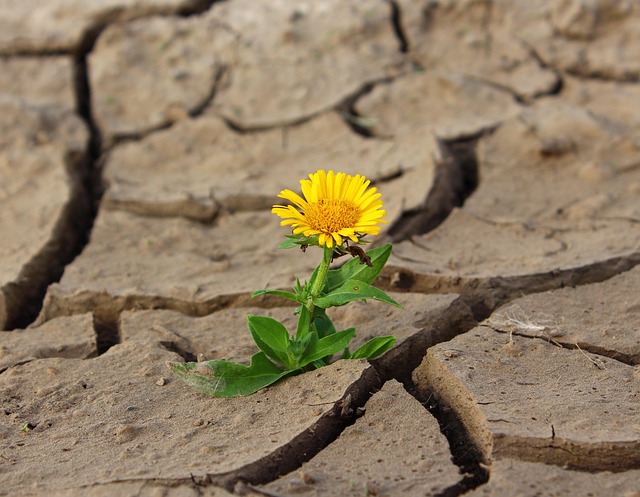
Despite their resilience, Desert ecosystems face growing threats from human activity. Overgrazing, mining, and urban expansion disrupt delicate habitats. Climate change worsens the situation, with rising temperatures and prolonged droughts pushing many species to the brink. Desertification, the process where fertile land turns into desert, is one of the most pressing issues, caused by unsustainable farming and deforestation. Protecting deserts is essential to prevent the loss of biodiversity and livelihoods.
Conservation Efforts
Global efforts are being made to protect Desert ecosystems. Establishing protected areas, restoring degraded lands, and promoting sustainable farming are critical steps. Organizations also work to raise awareness about the importance of deserts, highlighting their role in climate regulation and biodiversity. Individuals can contribute by supporting eco-friendly products, reducing waste, and advocating for policies that protect fragile ecosystems.
Scientific Discoveries in Deserts
Deserts are natural laboratories for scientific research. Fossils preserved in arid conditions offer insights into ancient life, while desert plants inspire innovations in medicine and agriculture. Scientists studying Desert ecosystems also learn how organisms adapt to extreme conditions, providing lessons that may help in exploring other planets like Mars. This makes deserts not only vital for Earth but also key to future exploration.
Desert Ecosystems and Tourism
Tourism is another way people engage with Desert ecosystems. Visitors from around the world travel to experience sand dunes, unique wildlife, and star-filled skies. Ecotourism promotes cultural exchange and economic development while encouraging conservation. However, it must be managed carefully to avoid damaging delicate habitats. Responsible tourism ensures that future generations can continue to enjoy these landscapes.
The Future of Desert Ecosystems
The future of Desert ecosystems depends on global action. If destructive practices continue, deserts may lose species and resources that humanity depends on. On the other hand, sustainable practices can ensure deserts remain vibrant and resilient. Advancements in renewable energy, particularly solar power, also position deserts as key regions for sustainable development. By valuing deserts as ecosystems rather than wastelands, we can protect their unique role in the world.
Conclusion
Deserts are far from lifeless wastelands. They are dynamic, diverse, and essential to the balance of our planet. Desert ecosystems showcase incredible adaptations, provide ecological services, and support human cultures. Yet, they remain vulnerable to threats from climate change and unsustainable practices. By protecting and valuing these ecosystems, humanity not only preserves biodiversity but also secures vital resources for the future. The story of deserts is one of resilience and survival, reminding us that even in the harshest environments, life finds a way.