
In today’s rapidly changing world, the quality of the air we breathe has become one of the most critical issues for both human well-being and the planet. The Air quality impact reaches far beyond just environmental concerns it influences public health, economic stability, and even the overall quality of life. With urbanization, industrialization, and rising pollution levels, it has become essential to understand how air quality shapes our daily lives and what we can do to address it.

What Does Air Quality Mean?
Air quality refers to how clean or polluted the air is. It is measured by the concentration of pollutants such as carbon monoxide, sulfur dioxide, nitrogen oxides, ozone, and particulate matter. When levels of these pollutants rise above safe thresholds, the Air quality impact becomes more severe, leading to dangerous consequences for humans, animals, and ecosystems.
Air quality is often tracked using the Air Quality Index (AQI), which ranges from “Good” to “Hazardous.” A high AQI indicates poor air quality that can cause immediate health risks, particularly for children, the elderly, and people with respiratory conditions.
The Health Consequences of Air Quality Impact
One of the most pressing concerns is the Air quality impact on human health. Polluted air can cause both short-term and long-term health issues, including:
- Respiratory Diseases: Asthma, bronchitis, and chronic obstructive pulmonary disease (COPD) are directly linked to poor air quality.
- Cardiovascular Problems: Exposure to air pollutants increases the risk of heart attacks, hypertension, and strokes.
- Weakened Immune System: Long-term exposure weakens the body’s ability to fight infections.
- Reduced Life Expectancy: Studies have shown that continuous exposure to polluted air can shorten lifespans by several years in highly polluted regions.
Children are particularly vulnerable because their lungs are still developing. The Air quality impact on younger populations can result in lifelong respiratory and cardiovascular challenges.
Environmental Effects of Poor Air Quality
Beyond health, the Air quality impact also extends to ecosystems. Pollutants such as sulfur dioxide and nitrogen oxides contribute to acid rain, which damages forests, soil, and freshwater bodies. Ozone at ground level harms crops, reducing agricultural productivity and threatening food security.
Additionally, air pollution contributes to climate change by increasing greenhouse gases like carbon dioxide and methane. Rising global temperatures, melting glaciers, and extreme weather events are all tied to deteriorating air quality.
Economic Burden of Air Quality Impact
Poor air quality not only harms health and nature but also comes with significant economic costs. Medical expenses, reduced workforce productivity, and increased mortality rates place a heavy financial burden on governments and communities. Businesses also suffer, especially in regions where outdoor activities, tourism, and agriculture are key economic drivers. Addressing the Air quality impact therefore becomes not just a health or environmental priority but also an economic necessity.
Sources of Air Pollution
To effectively reduce the Air quality impact, it is important to understand the main sources of air pollution:
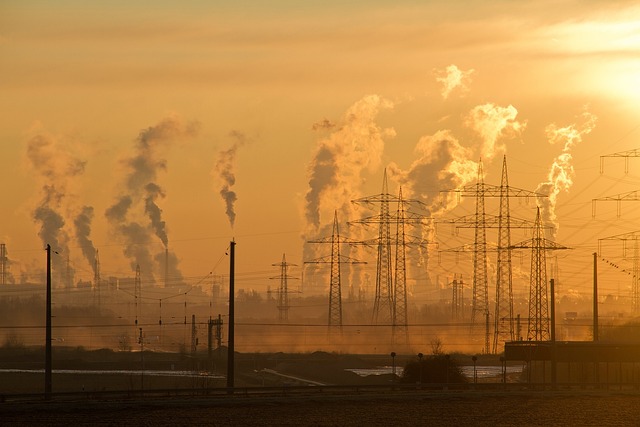
- Industrial Emissions – Factories and power plants release large amounts of toxic gases and particulate matter.
- Transportation – Vehicles burning fossil fuels are major contributors to urban smog and poor air quality.
- Agricultural Practices – Pesticides, fertilizers, and livestock waste release harmful gases like methane and ammonia.
- Household Activities – Indoor pollutants from cooking, heating, and smoking can be just as dangerous as outdoor pollutants.
- Natural Causes – Wildfires, volcanic eruptions, and dust storms also play a role in degrading air quality.
Each of these factors adds to the Air quality impact, making it a complex issue that requires multi-faceted solutions.
Mitigating the Air Quality Impact
Reducing the negative effects of air pollution requires collective action from governments, industries, and individuals. Some practical measures include:
- Promoting Clean Energy: Transitioning from coal and oil to renewable energy sources like solar and wind reduces harmful emissions.
- Improving Public Transport: Encouraging the use of buses, trains, and cycling instead of private vehicles can cut urban pollution levels.
- Strengthening Regulations: Governments must enforce stricter emission standards for industries and vehicles.
- Green Urban Planning: Increasing green spaces and planting trees helps filter pollutants and improve urban air quality.
- Raising Awareness: Educating communities about the Air quality impact empowers individuals to make eco-friendly choices.
On a personal level, people can contribute by reducing car usage, avoiding single-use plastics, and using energy-efficient appliances. Even small lifestyle changes, when adopted by many, can significantly improve overall air quality.
Global Initiatives to Improve Air Quality
International cooperation plays a vital role in addressing the Air quality impact. Agreements like the Paris Climate Accord aim to limit emissions and slow down global warming. Organizations such as the World Health Organization (WHO) and the United Nations Environment Programme (UNEP) provide guidelines and support for improving air quality worldwide.
Many cities are also adopting smart technologies to monitor pollution levels in real time. By identifying pollution hotspots, authorities can take immediate action to control sources and protect vulnerable populations.
Why Awareness Matters
Understanding the Air quality impact is the first step toward change. Awareness helps individuals recognize the urgency of the issue and motivates them to take action. When communities demand cleaner policies and adopt healthier habits, governments and industries are pressured to act responsibly.
Breathing clean air should not be considered a luxury it is a fundamental human right. Protecting air quality ensures a healthier population, stronger economies, and a more sustainable planet for future generations.
Conclusion
The Air quality impact is far-reaching, affecting every aspect of life from health and environment to the economy and society as a whole. With rising pollution levels worldwide, the time to act is now. Through stricter regulations, sustainable practices, and collective efforts, it is possible to reduce the burden of air pollution and secure a healthier future.
Ultimately, improving air quality is not just about cleaner skies; it is about ensuring the survival and well-being of all living beings on Earth. By understanding and addressing the Air quality impact, we take a vital step toward building a more resilient and sustainable world.
1 Comment
Add Yours →[…] Clean mobility is transforming the way the world moves, offering a powerful solution to cities choki…. It refers to transportation systems powered by low or zero-emission technologies such as electric vehicles, hydrogen fuel, and renewable energy-based transit systems. More than just an environmental trend, clean mobility has become a global necessity to fight climate change, reduce carbon footprints, and enhance the quality of urban life. […]