
National renewable energy is rapidly changing how countries generate and distribute electricity across the globe. As governments worldwide commit to reducing carbon emissions, bold policy decisions are driving a massive shift toward clean energy sources like solar, wind, and hydropower. These transformative initiatives aren’t just about meeting environmental targets they’re fundamentally reshaping the infrastructure that powers our homes, businesses, and industries every single day.
In this article, we’ll explore how renewable energy policies are accelerating power grid modernization, the key challenges utilities face during this historic transition, and what the future holds for sustainable electricity generation. Whether you’re an industry professional, concerned citizen, or simply curious about where our energy comes from, understanding these shifts is essential as we collectively move toward a cleaner, more resilient energy future.
Understanding the Shift Toward Clean Energy Infrastructure
The global energy landscape is experiencing an unprecedented transformation. National renewable energy strategies are no longer optional experiments but essential frameworks guiding how nations power their economies. Governments recognize that traditional fossil fuel systems cannot sustain long term growth while addressing climate change concerns.
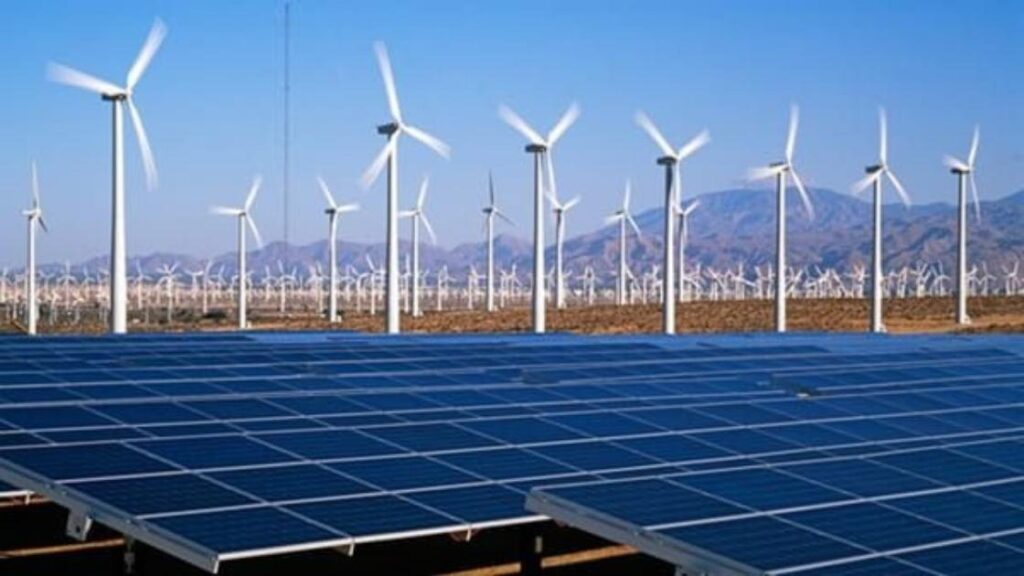
At its core, this shift involves replacing coal, oil, and natural gas with sustainable power sources like solar panels, wind turbines, and hydroelectric facilities. The goal extends beyond simply generating clean electricity. It requires completely reimagining how energy flows from production sites to end users.
The Evolution of Energy Policy Development
Energy policy has evolved dramatically over the past two decades. Early renewable energy initiatives focused primarily on small scale projects and voluntary adoption. Today, comprehensive national renewable frameworks mandate specific targets, timelines, and accountability measures.
Countries like Germany, Denmark, and the United States have pioneered aggressive legislation requiring utilities to source increasing percentages of their electricity from green energy solutions. These policies create market certainty that attracts private investment and accelerates technological innovation.
Key Benefits of Modern Energy Policies
Environmental Advantages and Carbon Reduction
The most obvious benefit of national renewable energy adoption involves environmental protection. Transitioning away from fossil fuels significantly reduces greenhouse gas emissions, air pollution, and water contamination associated with traditional power generation.
- Solar and wind facilities produce zero direct emissions during operation
- Reduced reliance on coal eliminates harmful particulate matter affecting public health
- Cleaner air quality improves respiratory conditions in communities near former industrial sites
Economic Growth and Job Creation
Clean energy transformation delivers substantial economic benefits alongside environmental gains. The renewable energy sector now employs millions of workers globally in manufacturing, installation, maintenance, and research positions.
Local economies benefit when national renewable projects are constructed in their regions. Unlike imported fossil fuels, sunlight and wind are domestic resources that keep energy spending within national borders. This strengthens energy independence while creating stable employment opportunities.
Grid Reliability and Resilience
Modern power grid infrastructure built around diverse renewable sources proves more resilient than centralized fossil fuel systems. Distributed generation means that localized disruptions don’t cascade into widespread blackouts.
Smart grid technology enables better demand management, real time monitoring, and rapid response to changing conditions. These improvements benefit all consumers through more consistent service delivery.
Challenges Facing Energy Transition Efforts
Technical and Infrastructure Obstacles
Despite clear benefits, national renewable energy expansion faces genuine challenges. Existing electricity transmission systems were designed for centralized power plants, not distributed generation sources spread across vast geographical areas.
Energy storage solutions remain expensive, though costs continue declining rapidly. Without adequate storage capacity, grid operators struggle to balance supply when the sun isn’t shining or wind isn’t blowing.
Political and Financial Barriers
Policy consistency presents another significant hurdle. Changes in government leadership sometimes result in shifting priorities that undermine long term planning. Investors require stable regulatory environments before committing substantial capital to infrastructure projects spanning decades.
Initial construction costs for renewable energy facilities exceed those for conventional plants, even though operational expenses are dramatically lower. Financing mechanisms must bridge this gap to accelerate adoption rates.
Real World Examples of Successful Implementation
Several nations demonstrate what comprehensive national renewable strategies can achieve when properly executed.
- Denmark now generates over 80% of its electricity from wind power alone
- Costa Rica regularly operates its entire grid using 100% renewable sources for extended periods
- China leads global solar panel manufacturing while rapidly expanding domestic installations
These success stories prove that ambitious targets are achievable with committed leadership and strategic investment in sustainable energy infrastructure.
Lessons for Future Policy Development
Effective national renewable frameworks share common characteristics. They establish clear targets, provide financial incentives, invest in workforce training, and upgrade transmission infrastructure simultaneously. Piecemeal approaches consistently underperform compared to integrated strategies addressing multiple challenges together.
Public engagement also matters significantly. Communities that understand the benefits of clean power generation more readily support necessary infrastructure projects in their regions.
The transformation of global power systems represents one of humanity’s most ambitious undertakings. With continued commitment to smart policies and technological advancement, a fully sustainable energy future becomes increasingly achievable for nations willing to embrace change.
Conclusion
The rise of national renewable energy policies marks a turning point in how we generate and consume electricity. From environmental protection to economic growth and improved grid reliability, the benefits of transitioning to clean power sources are undeniable. While challenges like infrastructure upgrades and energy storage remain, successful examples from countries worldwide prove that meaningful progress is possible.
As national renewable strategies continue evolving, they will shape a more sustainable and resilient energy future for generations to come. Embracing this transformation today ensures cleaner air, stronger economies, and a healthier planet tomorrow. The time to act is now.