
Sustainable concrete technology is rapidly transforming how modern infrastructure is designed, built, and maintained worldwide. As governments and developers face rising environmental concerns, this approach offers a smarter path toward durable yet eco-conscious construction. From highways and bridges to dams and urban transit systems, the integration of innovative materials and advanced construction techniques is reshaping traditional practices.
This article explores how infrastructure projects are adopting low-carbon construction, green building materials, and eco-friendly cement alternatives to minimize environmental impact without compromising strength or safety. It also highlights practical construction methods, recycled aggregates, and real-world infrastructure applications that demonstrate measurable performance and sustainability benefits. By examining materials, methods, and on-ground examples, this discussion provides a clear understanding of how modern infrastructure can balance long-term durability with environmental responsibility making future development both resilient and sustainable.
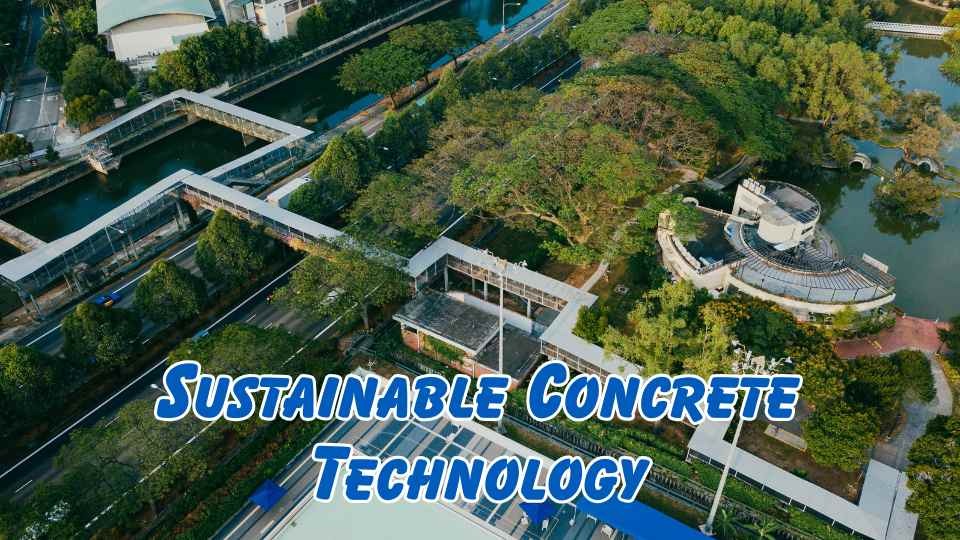
Understanding Sustainable Concrete Technology in Infrastructure Development
Sustainable concrete technology refers to advanced construction practices that reduce environmental impact while maintaining structural performance. In infrastructure development, it focuses on minimizing resource consumption, lowering emissions, and extending service life. This approach has gained momentum as infrastructure projects expand globally and environmental regulations tighten. By integrating eco-friendly construction practices, low-carbon materials, and resource-efficient design, engineers can deliver durable structures with reduced ecological footprints. The concept goes beyond material choice, encompassing planning, production, placement, and long-term maintenance. As a result, sustainable concrete technology has become a cornerstone of modern infrastructure planning, aligning engineering efficiency with environmental responsibility.
Background and Evolution of Sustainable Concrete Practices
The evolution of it began as a response to the high carbon emissions associated with conventional cement production. Historically, infrastructure relied heavily on energy-intensive materials with little consideration for environmental impact. Over time, research into green construction materials, cement replacement materials, and industrial by-products reshaped concrete science. The introduction of fly ash, ground granulated blast furnace slag, and silica fume marked early milestones. Today, infrastructure projects adopt data-driven mix designs and lifecycle-based approaches. This progression reflects a shift from cost-focused construction to environmentally responsible infrastructure, where performance and sustainability coexist.
Key Materials Used in Sustainable Infrastructure Concrete
Cement Alternatives and Supplementary Materials
Modern sustainable technology relies on reducing ordinary Portland cement content through supplementary cementitious materials. These materials enhance durability while cutting emissions. Widely used options include fly ash concrete, slag-based cement, and natural pozzolans, which improve long-term strength and resistance to chemical attack. Their use in bridges, tunnels, and pavements demonstrates how infrastructure benefits from both performance and sustainability.
Aggregates and Innovative Additives
Another critical aspect is the use of recycled aggregates sourced from demolished structures. Combined with advanced admixtures, these aggregates improve workability and durability. Innovations such as nano-materials in concrete and fiber-reinforced composites further enhance crack resistance and load-bearing capacity. Together, these materials make sustainable concrete technology adaptable to demanding infrastructure environments.
Construction Methods Supporting Sustainability
Optimized Mix Design and Production
Efficient mix design is central to sustainable concrete technology. Engineers employ performance-based concrete design to achieve required strength with minimal material usage. Advanced batching systems reduce waste and ensure consistency. The integration of energy-efficient production processes lowers overall environmental impact while maintaining quality standards for large-scale infrastructure.
Placement, Curing, and Lifecycle Management
Proper placement and curing significantly influence durability. Techniques like internal curing methods and smart curing technologies reduce cracking and extend service life. Lifecycle planning ensures that infrastructure built using sustainable concrete technology requires less maintenance, lowering long-term costs and environmental burden.
Importance of Sustainable Concrete in Infrastructure Projects
Infrastructure assets such as roads, bridges, and ports are long-term investments. Using it enhances resilience against climate stressors while supporting climate-resilient infrastructure goals. Governments increasingly mandate green infrastructure development, making sustainability a strategic requirement rather than an option. By integrating carbon footprint reduction strategies, infrastructure projects can meet regulatory demands and public expectations simultaneously.
Benefits of Adopting Sustainable Concrete Technology
The benefits extend beyond environmental gains. Infrastructure projects using sustainable concrete technology experience improved durability, reduced maintenance, and enhanced social acceptance. Key advantages include:
1.Reduced greenhouse gas emissions through low-emission construction materials
2.Improved durability and service life via high-performance concrete systems
3.Cost savings over time due to lifecycle cost efficiency
These benefits make sustainability a practical choice rather than a theoretical ideal.
Challenges and Limitations in Real-World Applications
Despite its advantages, it faces challenges. Limited availability of quality by-products, lack of standardized codes, and higher initial costs can slow adoption. Additionally, knowledge gaps among contractors may affect implementation quality. Addressing these issues requires technical training programs, updated construction standards, and supportive policies. Overcoming these barriers is essential for widespread infrastructure adoption.
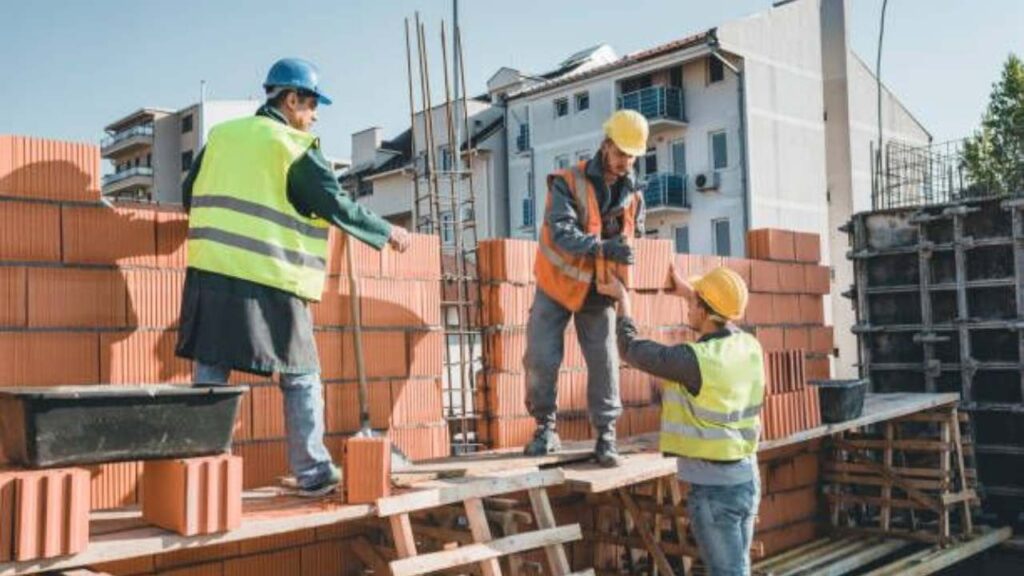
Real-World Infrastructure Applications and Case Insights
Transportation and Urban Infrastructure
Many transportation projects now rely on sustainable concrete technology to meet durability and environmental targets. Highways built with recycled material concrete and metro systems using durable low-carbon mixes showcase measurable emission reductions. These projects demonstrate that sustainability and performance can coexist at scale.
Water and Energy Infrastructure
Dams, canals, and renewable energy facilities increasingly use concrete technology to resist aggressive environments. The application of high-durability concrete solutions ensures long service life while minimizing repair needs. Such examples highlight how sustainability supports critical infrastructure reliability.
Future Outlook for Sustainable Concrete in Infrastructure
The future lies in innovation and integration. Advances in digital construction technologies, carbon capture cement, and circular economy principles will further transform infrastructure development. As awareness grows and costs decline, sustainable practices will become the default standard. Ultimately, embracing sustainable concrete technology enables infrastructure that is durable, efficient, and environmentally aligned with global sustainability goals.
Conclusion:
In conclusion, sustainable concrete technology is reshaping infrastructure by combining durability with environmental responsibility. Through the use of green construction materials, low-carbon concrete solutions, and resource-efficient methods, infrastructure projects can significantly reduce emissions while maintaining structural performance. Its importance is evident in long-lasting roads, bridges, and energy facilities that support climate-resilient infrastructure goals.
Despite challenges such as cost and standardization, continued innovation and policy support make adoption increasingly practical. Overall, it plays a vital role in building future-ready infrastructure that balances economic growth with environmental stewardship.