
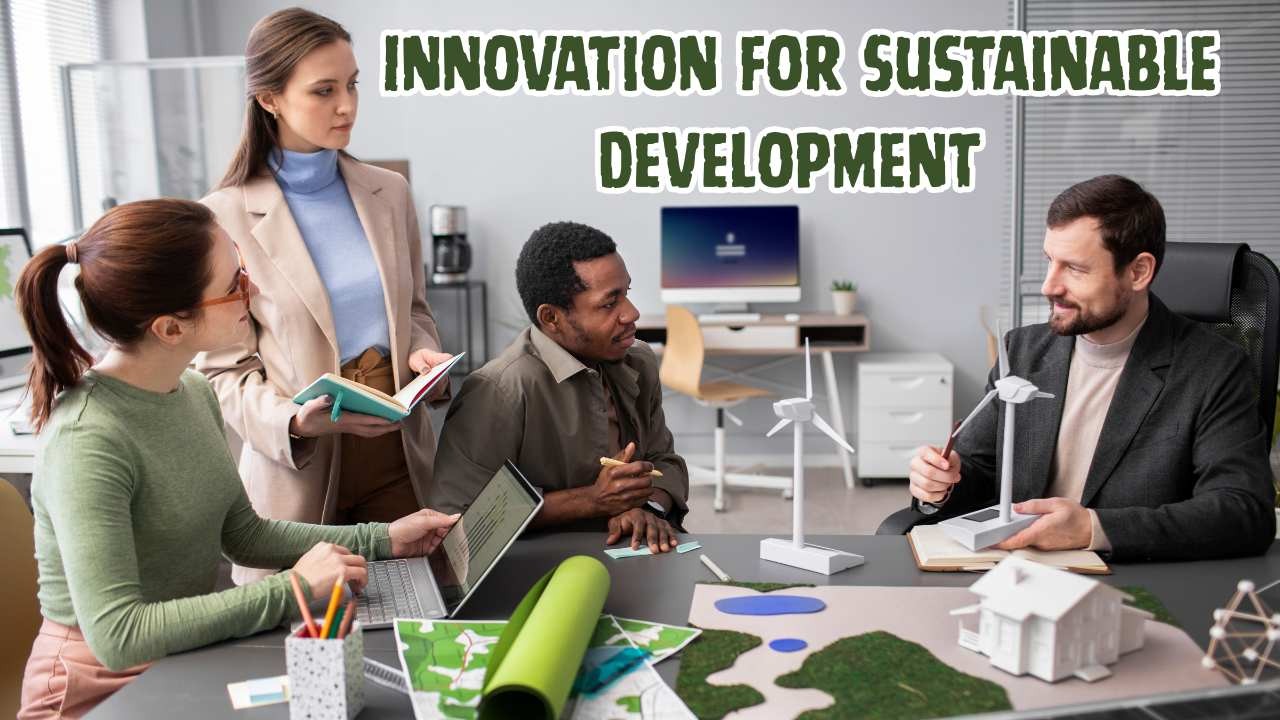
Innovation for sustainable development is reshaping how societies grow while protecting the planet. As climate risks rise and urban populations expand, modern solutions are becoming essential for balancing economic progress with environmental responsibility. This article explores how renewable energy, smart cities, and circular economy models are driving long-term sustainability across industries and communities.
By examining the role of clean technology, sustainable infrastructure, and resource efficiency, the discussion highlights practical approaches that reduce emissions, optimize resources, and improve quality of life. From intelligent urban planning to waste-to-value systems, these innovations are no longer future concepts they are active solutions shaping resilient economies.
Understanding Innovation for Sustainable Development
Innovation for sustainable development refers to the strategic use of new ideas, technologies, and systems to promote economic growth while protecting environmental and social well-being. Unlike traditional development models that often prioritize short-term gains, this approach integrates environmental sustainability, social equity, and economic resilience. It focuses on solutions that reduce ecological harm while improving living standards across both urban and rural regions.
At its core, innovation for sustainable development blends technological innovation, policy-driven change, and community engagement. Renewable energy systems, smart urban planning, and circular resource management are central pillars that redefine how societies produce, consume, and grow responsibly.
Historical Background and Evolution
Early Sustainability Concepts
The foundations of innovation for sustainable development can be traced back to global environmental movements of the late 20th century. Concerns about pollution, climate change, and resource depletion pushed governments and organizations toward sustainable growth models. Early initiatives focused on conservation and energy efficiency rather than transformative innovation.
Transition to Modern Innovation Models
Role of Digital Transformation
The digital revolution accelerated innovation for sustainable development by enabling smart technologies, data-driven decision-making, and automation systems. Cities began adopting smart infrastructure, while industries invested in clean production methods to minimize waste and emissions. This shift marked a transition from reactive environmental policies to proactive innovation-led strategies.
Importance of Renewable Energy in Sustainable Innovation
Renewable energy is a cornerstone of innovation for sustainable development, offering scalable and low-impact alternatives to fossil fuels. Solar, wind, and hydropower systems support carbon reduction, energy security, and climate resilience. These solutions not only reduce emissions but also create jobs and stimulate green economic growth.
The widespread adoption of renewable energy technologies enables decentralized power generation, especially in developing regions. This strengthens local economies while supporting sustainable infrastructure development and reducing dependence on non-renewable resources.
Smart Cities as Catalysts for Sustainable Progress
Urban Challenges and Smart Solutions
Rapid urbanization has intensified challenges related to congestion, pollution, and resource scarcity. Innovation for sustainable development addresses these issues through smart cities, which integrate digital governance, intelligent transportation, and energy-efficient buildings. These cities rely on urban sustainability strategies that balance growth with environmental responsibility.
Technology-Driven Urban Management
Smart Infrastructure Systems
Smart cities utilize Internet of Things applications, real-time data analytics, and AI-driven planning tools to optimize resource use. This approach enhances public service efficiency, reduces waste, and improves quality of life. As a result, innovation for sustainable development becomes a practical framework rather than a theoretical goal.
Circular Economy Models and Resource Efficiency
Circular economy models redefine production and consumption by keeping materials in use for as long as possible. This system supports resource efficiency, waste reduction, and sustainable manufacturing practices. Through reuse, recycling, and remanufacturing, industries reduce environmental impact while maintaining profitability.
Key principles of circular models include:
- Designing products for durability and reuse
- Transforming waste into valuable resources
- Encouraging responsible consumption patterns
These principles reinforce innovation for sustainable development by aligning economic incentives with environmental protection.
Benefits of Innovation for Sustainable Development
The advantages of innovation for sustainable development extend across social, economic, and environmental dimensions. It promotes long-term economic stability, strengthens climate adaptation, and fosters inclusive growth. Communities benefit from cleaner air, improved infrastructure, and increased access to essential services.
Major benefits include:
- Reduced environmental degradation
- Enhanced social well-being
- Improved energy efficiency
- Economic diversification and job creation
By integrating sustainable technology solutions and green innovation strategies, societies achieve balanced development without compromising future generations.

Challenges and Barriers to Implementation
Despite its benefits, it faces several challenges. High initial costs, limited technical expertise, and policy gaps can slow adoption. In many regions, insufficient investment in research and development restricts the scalability of innovative solutions.
Another barrier is resistance to change. Industries accustomed to linear production models may hesitate to adopt circular economy practices. Overcoming these challenges requires collaborative governance, public-private partnerships, and strong regulatory frameworks that encourage sustainable innovation.
Real-World Examples and Global Applications
Across the globe, it is transforming communities. Countries investing in renewable energy grids, smart urban mobility, and waste-to-energy systems demonstrate how integrated approaches deliver measurable results. Scandinavian cities, for example, combine clean energy solutions with advanced urban planning to achieve near-zero emissions.
In developing economies, off-grid solar systems and sustainable agriculture technologies support economic empowerment while reducing environmental stress. These examples highlight how it adapts to diverse contexts while delivering universal benefits.
Conclusion:
Innovation for sustainable development plays a vital role in shaping a future where economic progress aligns with environmental responsibility and social well-being. By integrating renewable energy systems, smart city solutions, and circular economy practices, societies can address climate challenges while promoting long-term sustainability. These approaches encourage resource efficiency, support clean technology adoption, and strengthen sustainable infrastructure. As global demands continue to rise, embracing and empowers communities, industries, and governments to build resilient systems that protect natural resources while ensuring inclusive and balanced growth for future generations.