
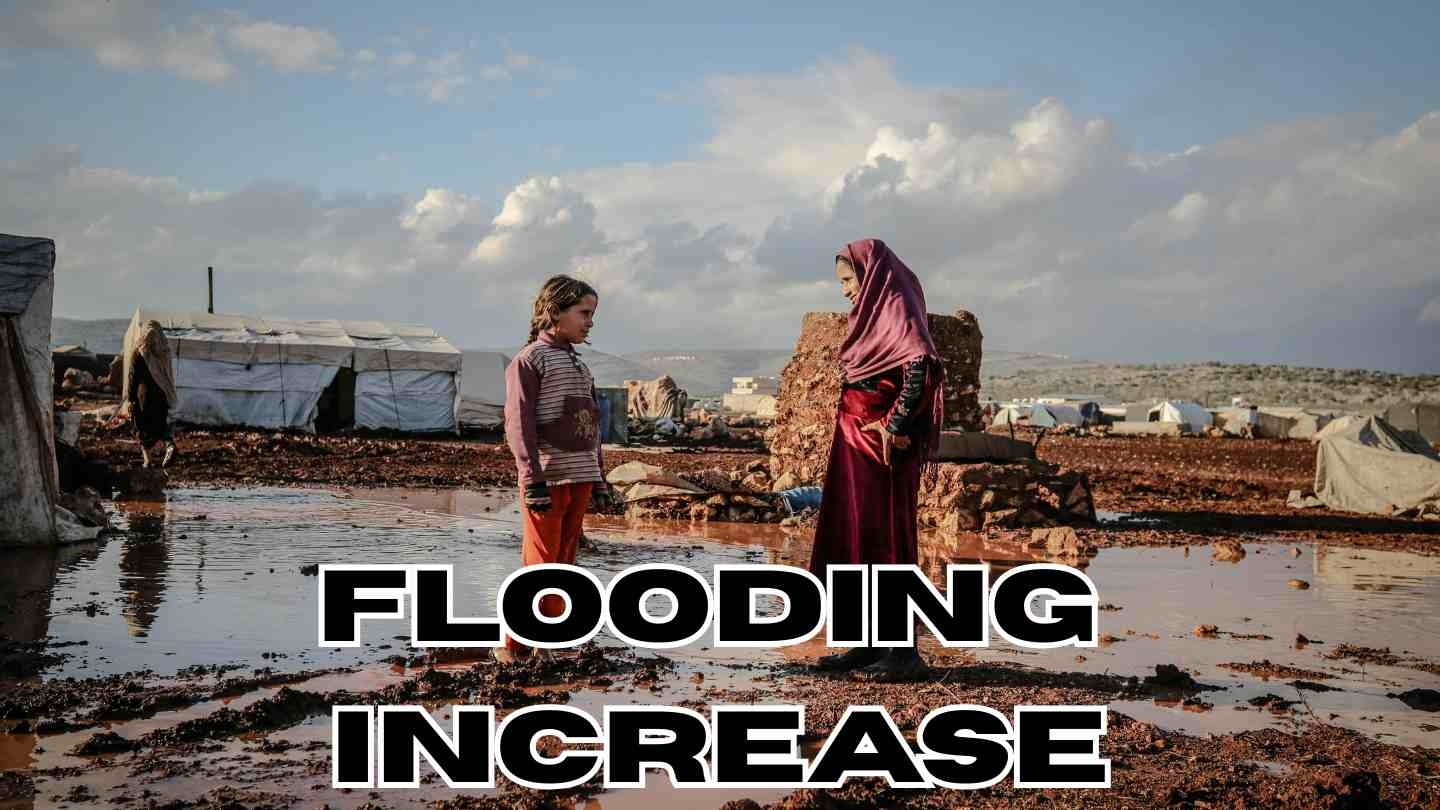
Flooding increase is no longer a distant concernit is a growing reality affecting communities across the globe. From overflowing rivers to submerged cities, rising water levels are disrupting daily life and threatening long-term safety.
This article explores why flooding events are becoming more frequent, highlighting the role of climate change, rapid urbanization, and more intense extreme rainfall. It also examines how sea level rise worsens coastal risks and why stronger disaster preparedness is now essential.
By understanding these key drivers and their impacts, readers can better grasp the challenges ahead and the importance of proactive planning to reduce damage, protect lives, and build resilience against future floods.
Understanding the Causes Behind Rising Flood Events
Flooding increase refers to the growing frequency and intensity of flood events occurring across different regions of the world. This trend is closely linked to environmental and human driven changes that disrupt natural water cycles. Historically, floods were often seasonal and predictable, but today they are more sudden and severe, affecting both developed and developing areas. Understanding the root causes is essential to managing risks and minimizing long term damage to lives, infrastructure, and ecosystems.
Climate Change and Extreme Weather Patterns
One of the most significant drivers of flooding increase is climate change. Rising global temperatures are intensifying weather systems, leading to heavier and more unpredictable rainfall.
Increased Rainfall Intensity
Warmer air holds more moisture, which results in extreme rainfall over shorter periods. This overwhelms drainage systems and riverbanks, causing flash floods even in areas that rarely experienced them before.
Melting Ice and Glaciers
The rapid melting of glaciers and polar ice contributes to higher water volumes in rivers and oceans. This process accelerates sea level rise, increasing the risk of coastal and riverine flooding.
Human Activities That Worsen Flood Risks
Beyond natural factors, human actions play a major role in accelerating flooding increase. Changes in land use and poor planning often remove natural flood buffers.
Urbanization and Land Use Changes
Rapid urbanization replaces natural surfaces with concrete and asphalt, preventing rainwater from soaking into the ground. As a result, surface runoff increases, raising the likelihood of urban floods.
Key urban factors include:
1.Impermeable surfaces reducing water absorption
2.Inadequate drainage infrastructure
3.Construction near rivers and floodplains
4.Loss of wetlands that store excess water
5.Population growth increasing exposure to risk
Deforestation and Environmental Degradation
Deforestation reduces the land’s ability to absorb rainfall. Trees and vegetation slow down water flow and stabilize soil, so their removal leads to faster runoff and river overflow, contributing to flooding increase in both rural and downstream urban areas.
Types of Flooding and Their Characteristics
Flooding occurs in several forms, each with distinct causes and impacts. Understanding these categories helps improve disaster preparedness and response strategies.
River Flooding
River flooding happens when prolonged rainfall or snowmelt causes rivers to exceed their capacity. It is common in low lying regions and agricultural zones.
Coastal Flooding
Coastal flooding is driven by sea level rise, storm surges, and strong winds. Coastal cities and island nations face growing threats due to higher tides and erosion.
Flash Flooding
Flash floods develop rapidly after intense rainfall. They are especially dangerous because they offer little warning and often occur in urban or mountainous areas.
Impacts on Society, Economy, and Environment
The effects of flooding increase extend far beyond temporary water damage. Repeated flood events can slow development and deepen social inequalities.
1. Social and Health Impacts
Floods displace communities, disrupt access to clean water, and increase the risk of waterborne diseases. Vulnerable populations often suffer the most due to limited resources and weak infrastructure.
2. Economic Consequences
Damage to homes, roads, and businesses leads to high recovery costs. Agriculture is particularly affected, as floods destroy crops and reduce food security.
3. Environmental Effects
Floodwaters can erode soil, destroy habitats, and spread pollutants. Over time, ecosystems struggle to recover from repeated disturbances.
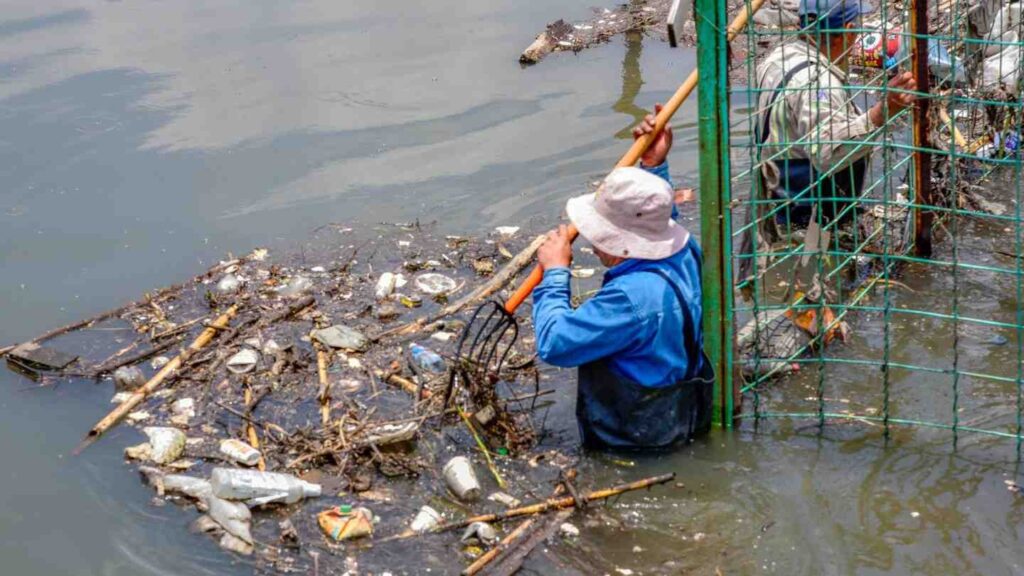
Strategies to Manage and Reduce Flood Risks
While flooding increase is a serious challenge, effective strategies can reduce its impact when properly implemented.
Infrastructure and Planning Solutions
Governments and planners are adopting smarter designs to manage water flow and reduce damage.
Effective measures include:
1.Improving drainage and sewage systems
2.Restoring wetlands and natural waterways
3.Building flood resistant infrastructure
4.Enforcing zoning laws in flood prone areas
5.Investing in early warning systems
Community Awareness and Preparedness
Strong disaster preparedness at the community level saves lives. Education, evacuation planning, and emergency drills help people respond quickly when floods occur.
Why Addressing Flooding Increase Matters
Addressing flooding increase is essential for sustainable development and long term resilience. As climate and urban pressures grow, proactive planning becomes more important than reactive recovery. Combining environmental protection, smart urban development, and public awareness can significantly reduce risks. By understanding causes, impacts, and solutions, societies can better prepare for future challenges and protect both people and the planet from escalating flood threats.
Conclusion
The issue of flooding increase reflects the combined impact of climate change, rapid urbanization, and ongoing environmental degradation. As extreme weather intensifies, different flood types are affecting societies, economies, and ecosystems more frequently. Understanding the causes, impacts, and available solutions highlights why early planning and strong disaster preparedness are essential. Investing in resilient infrastructure, restoring natural systems, and raising public awareness can significantly reduce future damage. Addressing flooding increase proactively is vital for protecting communities, ensuring sustainable growth, and safeguarding the environment for future generations.