
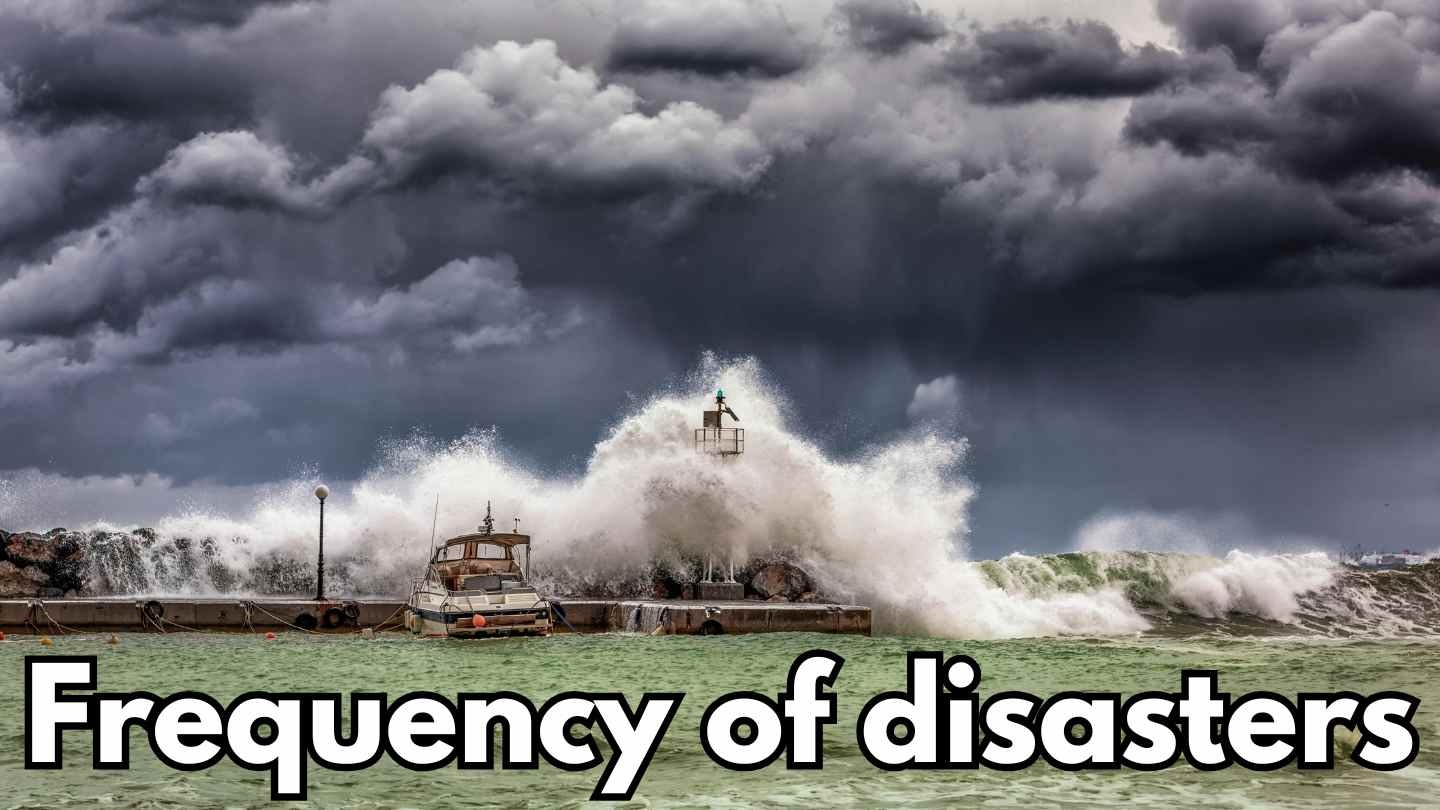
The frequency of disasters has become an alarming concern in recent years, impacting communities, economies, and ecosystems globally. From natural hazards like earthquakes, floods, and hurricanes to climate change effects and environmental degradation, the rise in these events demands urgent attention.
This article explores the causes behind this surge, examining both human-induced factors and natural cycles that contribute to disaster occurrences. We will also discuss the role of emergency preparedness, risk management, and sustainable practices in reducing vulnerability and enhancing resilience. By understanding these dynamics, readers can gain insight into how disasters are evolving and what measures can be taken to safeguard lives and resources effectively.
Understanding the Frequency of Disasters
The frequency of disasters refers to how often catastrophic events occur in a given region or globally over time. These events can range from natural hazards like earthquakes, floods, hurricanes, and wildfires to human-induced disasters such as industrial accidents, oil spills, and chemical leaks. Tracking the incidence rate of these events helps governments, organizations, and communities plan effectively and implement disaster risk reduction strategies. Understanding trends over time is crucial to identify patterns, assess vulnerabilities, and allocate resources efficiently to minimize impacts on public safety and infrastructure.
Historical Overview of Disasters
Throughout history, societies have faced disasters that reshaped communities and economies. Ancient civilizations often documented earthquakes, floods, and droughts, highlighting their recurring nature. For example, historical records from China, Mesopotamia, and the Mediterranean show significant flood events that affected agriculture and trade. With the advent of modern science and technology, data collection on disasters has improved, allowing researchers to study patterns, frequency, and severity more accurately. Understanding the historical context of disasters provides insights into their causes, helps anticipate future trends, and emphasizes the growing importance of resilience planning in the modern world.
Key Factors Influencing Disaster Frequency
Several factors contribute to the rising frequency of disasters. Climate change remains one of the most significant drivers, altering weather patterns and increasing the intensity of storms, heatwaves, and floods. Urbanization and population growth exacerbate vulnerabilities, as more people settle in high-risk zones. Additionally, deforestation, soil erosion, and environmental degradation reduce natural buffers against disasters. Technological advances, while beneficial, also introduce new risks such as industrial hazards and chemical exposures. Monitoring these factors is essential for governments and emergency management agencies to anticipate threats and strengthen community preparedness.
Types and Categories of Disasters
Disasters can be classified into several main categories based on their origin and impact:
Natural Disasters
These include earthquakes, volcanic eruptions, hurricanes, tsunamis, floods, and droughts. Natural disasters often cause widespread destruction to infrastructure, homes, and agriculture, leading to significant economic losses and social disruption.
Human-Induced Disasters
Events caused by human activity include industrial accidents, chemical spills, nuclear incidents, and transportation accidents. These disasters can have long-lasting effects on health, environment, and livelihoods, emphasizing the need for strict safety regulations and risk assessment.
Complex Disasters
Some disasters combine natural and human factors. For instance, flooding in urban areas worsened by poor drainage systems, or wildfires intensified by climate change and human negligence, demonstrate the interplay between different risk factors.
Importance of Understanding Disaster Frequency
Studying the frequency of disasters has multiple benefits:
1.Helps governments plan emergency response systems effectively
2.Assists NGOs in prioritizing aid and relief measures
3.Enables urban planners to design safer, more resilient infrastructure
4.Guides policymakers in creating climate adaptation strategies
5.Increases public awareness and encourages community preparedness
Accurate knowledge of disaster trends ensures proactive measures rather than reactive responses, ultimately reducing loss of life and economic damage.
Challenges in Measuring Disaster Frequency
Despite advances in technology, measuring the frequency of disasters faces several challenges. Inconsistent reporting and lack of reliable historical data in some regions can lead to underestimation. Disasters in remote or underdeveloped areas may go unrecorded, affecting risk assessment. Additionally, climate change introduces unpredictability, making it harder to forecast future occurrences accurately. Variations in disaster definitions between countries and agencies also complicate global comparisons. Overcoming these challenges requires improved data collection, standardized reporting, and international collaboration.

Steps to Manage Increasing Disaster Frequency
Addressing the rising frequency of disasters involves a combination of preparation, mitigation, and response:
1.Implement early warning systems and technology-based monitoring
2.Enforce strict land use regulations to avoid high-risk zones
3.Promote community awareness programs and emergency drills
4.Adopt sustainable environmental practices to reduce human-induced risks
5.Collaborate internationally for knowledge sharing and disaster relief support
These strategies not only save lives but also strengthen resilience and enhance recovery processes after disasters.
Recommendations for Communities and Governments
Communities and governments must remain vigilant in the face of increasing disaster risks. Investing in infrastructure resilience, promoting climate adaptation measures, and ensuring efficient resource allocation are critical steps. Public-private partnerships can also enhance disaster preparedness by combining expertise, funding, and innovative technologies. Encouraging research on disaster trends and risk assessment models helps anticipate future events and reduce vulnerabilities effectively. Ultimately, proactive planning and widespread awareness are key to minimizing the devastating impact of both natural and human-induced disasters.
Conclusion
Understanding the frequency of disasters is essential for building resilient communities and protecting lives, infrastructure, and resources. By analyzing historical trends, identifying natural hazards, and considering human-induced risks, governments and organizations can implement effective risk management strategies. Awareness of disaster patterns, combined with emergency preparedness, sustainable practices, and community engagement, ensures that societies are better equipped to face future challenges. Proactive measures not only reduce the impact of disasters but also promote long-term safety, sustainability, and economic stability in vulnerable regions.