
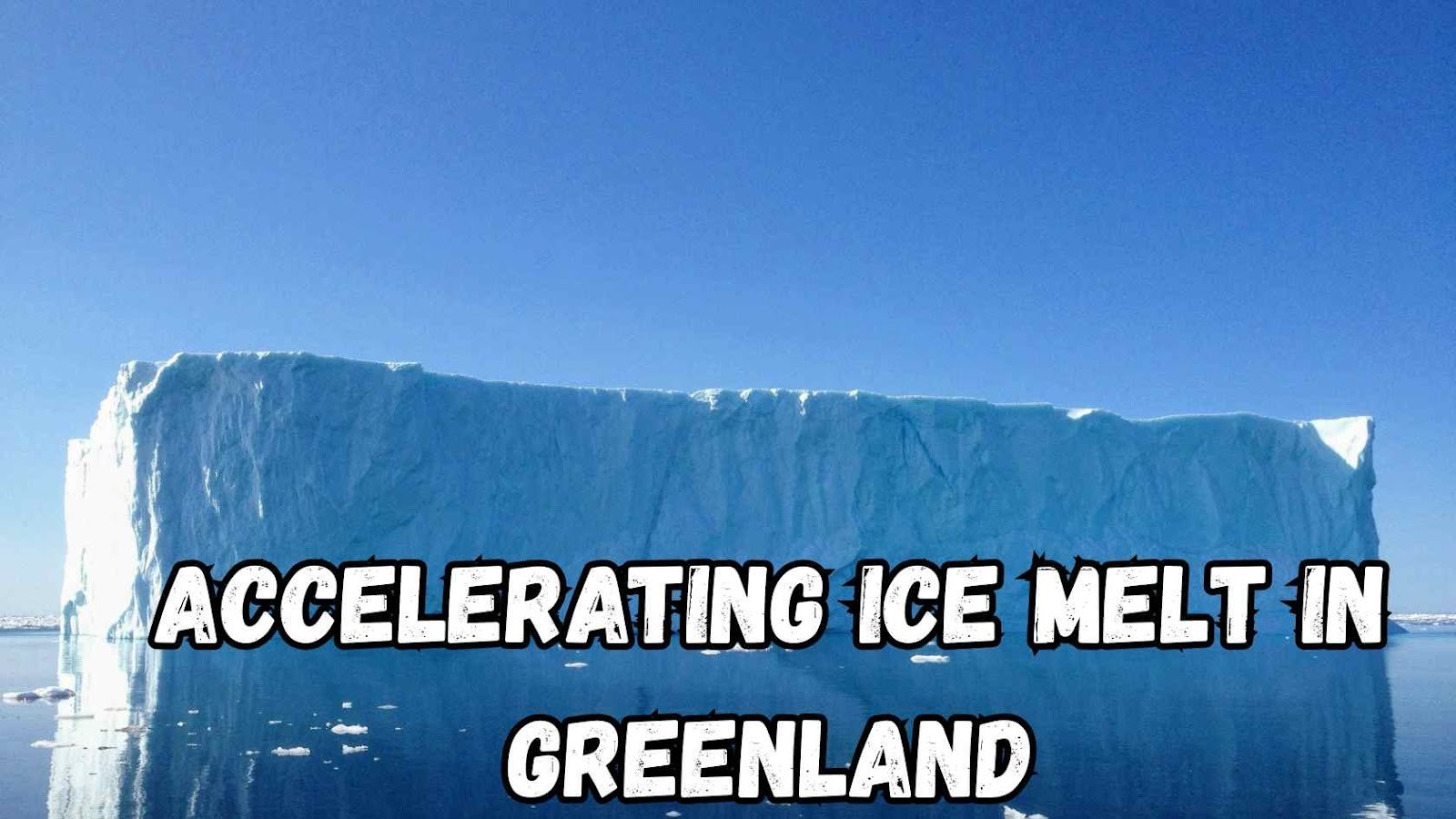
Accelerating ice melt in Greenland has become one of the most alarming signals of a warming planet, drawing attention from scientists and policymakers worldwide. As temperatures rise, vast ice sheets are shrinking faster than expected, reshaping coastlines and threatening ecosystems far beyond the Arctic.
This article explores why Greenland’s ice is melting so rapidly, the role of climate change, and how rising global temperatures intensify the problem. It also examines the connection between ice loss and sea level rise, the influence of Arctic warming, and the feedback effects on ocean circulation.
Understanding these factors helps explain why Greenland’s changes matter globally and what they could mean for future generations.
Understanding Accelerating Ice Melt in Greenland
Accelerating ice melt in Greenland refers to the rapidly increasing loss of ice from the Greenland Ice Sheet due to rising atmospheric and ocean temperatures. This phenomenon is not just a local issue but a global concern because Greenland holds enough frozen water to significantly affect worldwide sea levels. Scientists observe that warmer air melts surface ice while warmer oceans erode glaciers from below, speeding up overall ice loss. Over recent decades, this process has intensified, making accelerating ice melt in Greenland a critical indicator of broader climate change impacts. Understanding this process helps clarify why polar regions respond faster to warming than other parts of the planet.
Background and Historical Trends
Historically, Greenland’s ice sheet remained relatively stable for thousands of years. Seasonal melting occurred but was balanced by snowfall. However, since the late twentieth century, satellite data has shown a sharp increase in ice loss. The frequency of extreme melt seasons has risen, driven by rising global temperatures and changes in atmospheric circulation. These shifts mark a clear departure from natural variability, showing that current melting patterns are unprecedented in modern history.
Key Drivers Behind the Rapid Ice Loss
Atmospheric Warming Effects
Warmer air temperatures directly increase surface melting. Darker surfaces created by melting snow absorb more sunlight, a process known as albedo effect, which further accelerates warming. This creates a cycle where melting encourages even more melting, strengthening accelerating ice melt in Greenland year after year.
Ocean Driven Melting
Oceans play an equally important role. Warmer seawater reaches glacier fronts and melts them from below, causing ice to thin and retreat inland. This interaction between ice and water highlights the importance of ocean circulation in shaping Greenland’s future.
The Role of Weather Extremes
Short term weather events also matter. Persistent high pressure systems can trap warm air over Greenland, leading to intense melt episodes. These extremes, combined with long term warming, amplify the overall rate of ice loss.
Why Greenland’s Ice Matters Globally
Accelerating ice melt in Greenland is significant because it directly contributes to sea level rise, affecting coastal communities worldwide. Even small increases in sea level can worsen flooding, erosion, and saltwater intrusion. Beyond sea levels, melting freshwater alters ocean salinity, which can influence major currents and global climate patterns.
The importance of Greenland’s ice can be summarized through key impacts:
- Contribution to global sea levels
- Disruption of marine ecosystems
- Changes in weather patterns
- Increased risks for low lying regions
- Long term effects on global climate systems
Environmental and Societal Impacts
Effects on Arctic Ecosystems
As ice retreats, habitats for Arctic species change rapidly. Animals adapted to ice covered environments face challenges finding food and breeding grounds. These ecological shifts demonstrate how accelerating ice melt in Greenland affects biodiversity across the Arctic.
Human Communities and Infrastructure
Communities far from Greenland also feel the consequences. Coastal cities must invest in defenses against flooding, while island nations face existential threats. The melting ice thus links polar processes with everyday human concerns.
Economic Implications
Rising seas and extreme weather increase economic costs through damaged infrastructure and disrupted livelihoods. Addressing these impacts requires long term planning and international cooperation.
Scientific Monitoring and How the Process Works
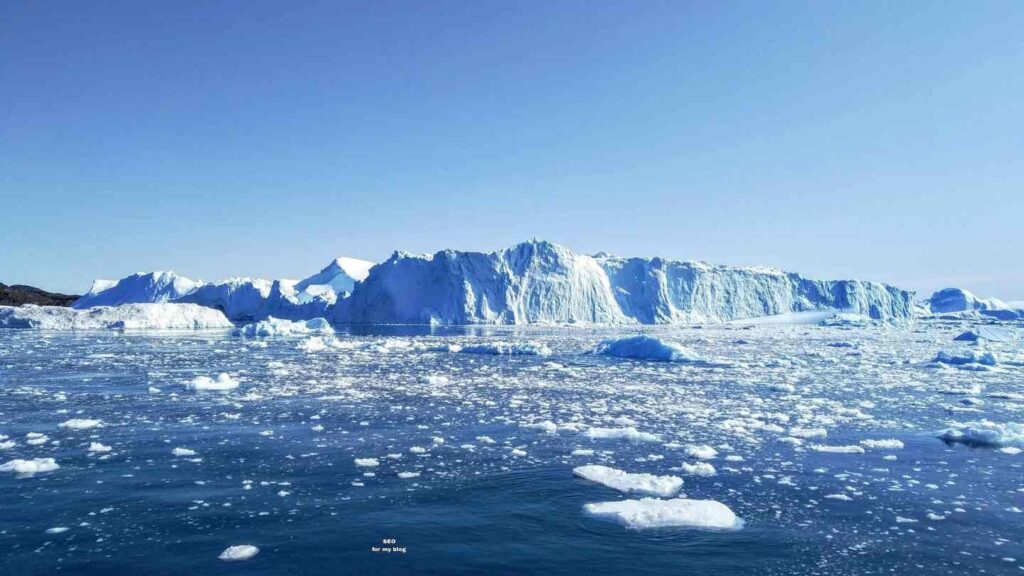
Scientists use satellites, field measurements, and climate models to track ice changes. Satellites measure ice thickness and movement, while ground stations record temperature and snowfall. Together, these tools explain how accelerating ice melt in Greenland progresses from surface warming to glacier retreat.
The process generally follows these steps:
- Increased air and ocean temperatures
- Enhanced surface melting
- Formation of meltwater streams
- Faster glacier movement
- Greater ice discharge into the ocean
Challenges in Slowing the Ice Loss
Reducing the pace of accelerating ice melt in Greenland is difficult because it is tied to global emissions. Local solutions alone cannot reverse the trend. Uncertainty in future warming levels and complex ice dynamics also make predictions challenging. These drawbacks highlight the need for strong global action.
Recommendations and Future Outlook
To address this issue, scientists recommend reducing greenhouse gas emissions, improving climate monitoring, and supporting adaptation strategies for vulnerable regions. Continued research helps refine predictions and guide policy decisions. While some melting is already unavoidable, coordinated efforts can limit the most severe outcomes.
Conclusion
In conclusion, accelerating ice melt in Greenland clearly reflects the intensifying effects of climate change on polar regions. Rising air and ocean temperatures, shifting weather patterns, and complex ice dynamics are driving faster ice loss with far-reaching consequences. These changes contribute to sea level rise, disrupt ocean circulation, and place pressure on Arctic ecosystems worldwide. Understanding this process highlights its global importance, as actions taken today will shape future environmental stability. Addressing emissions and supporting scientific research remain crucial to limiting long-term risks and protecting vulnerable regions.