

The way we decorate our homes is changing fast, and eco homewares are leading this exciting shift in modern interior design. Gone are the days when choosing sustainable products meant sacrificing style or settling for fewer options. Today, leading interior designers across the globe are actively steering their clients toward greener alternatives and for very good reasons.
From living rooms to kitchens, bedrooms to bathrooms, the demand for sustainable home décor has grown dramatically over the past few years. Homeowners are becoming more mindful about the materials they bring into their spaces, and designers are responding by sourcing pieces that are both beautiful and kind to the planet. Whether it is handcrafted natural home accessories, organic textiles, or furniture made from reclaimed wood, the options have never been more inspiring.
But this movement goes beyond just aesthetics. Eco homewares are gaining traction because they align with a broader commitment to ethical home design and healthier indoor environments. Many conventional home products contain harmful chemicals, synthetic dyes, and non-recyclable materials that quietly impact our wellbeing. By contrast, environmentally conscious alternatives prioritize non-toxic finishes, biodegradable packaging, and fair-trade sourcing creating spaces that feel good in every sense.
Interior designers are uniquely positioned to drive this change. Their expertise in green living products and understanding of conscious living trends gives them the authority to guide consumers toward smarter, more responsible choices without compromising on design quality.
In this article, we will explore exactly why professionals in the design world are embracing eco homewares so enthusiastically, which rooms benefit the most, and how you can start making thoughtful switches in your own home today. Let’s dive in.

What Are Eco Homewares and Why Do They Matter?
Eco homewares refer to household products designed, manufactured, and packaged with minimal environmental impact. These items are typically crafted from sustainable materials such as bamboo, organic cotton, recycled glass, reclaimed wood, and natural stone. Unlike conventional home products that often rely on synthetic chemicals and mass production methods, eco homewares prioritize ethical sourcing, reduced carbon emissions, and long lasting durability.
The significance of choosing eco homewares extends far beyond personal preference. Every product we bring into our homes carries an environmental footprint, from raw material extraction to shipping and eventual disposal. By opting for sustainably made alternatives, homeowners actively contribute to reducing landfill waste, lowering pollution levels, and supporting communities that practice fair trade manufacturing. Interior designers recognize this ripple effect, which is precisely why they have started placing eco homewares at the center of their design recommendations.
The Growing Demand for Sustainable Home Design
How Consumer Awareness Is Driving Change
Over the last decade, awareness around climate change and environmental responsibility has reshaped consumer behavior dramatically. They want living spaces that reflect their values. This shift in mindset has created enormous demand for eco friendly home décor, and the interior design industry has responded with enthusiasm.
Research consistently shows that younger homeowners, particularly millennials and Gen Z buyers, prioritize sustainability when making purchasing decisions. They actively seek out brands that use biodegradable packaging, non toxic finishes, and ethically sourced materials. Designers who understand this growing preference are now curating entire room concepts around eco homewares, ensuring that every element from throw pillows to dining sets aligns with greener living standards.
The Role of Interior Designers as Sustainability Advocates
Interior designers hold a unique position of influence. Their clients trust them to make informed decisions about materials, textures, and product quality. When a designer recommends eco homewares, it carries weight because their expertise adds credibility to the choice. Many certified professionals now undergo additional training in sustainable design practices, equipping themselves to offer guidance that balances visual appeal with environmental consciousness.
This advocacy role is especially important because navigating the world of green home products can feel overwhelming for everyday consumers. Designers simplify that journey by identifying trustworthy brands, verifying sustainability certifications, and ensuring that each recommended piece genuinely meets ethical production standards.
Key Benefits of Choosing Eco Homewares for Your Home
Switching to eco homewares is not just a trend. It offers tangible advantages that improve both your home environment and your overall quality of life. Here are five compelling benefits worth considering.
- Healthier Indoor Air Quality: Eco homewares are free from volatile organic compounds and toxic dyes, which means fewer harmful chemicals circulating in your living spaces and better respiratory health for your family.
- Superior Durability: Sustainably crafted products are often built to last significantly longer than their mass produced counterparts, reducing the need for frequent replacements and saving money over time.
- Lower Environmental Footprint: From production to packaging, eco homewares generate less waste and consume fewer natural resources, directly contributing to a cleaner planet.
- Support for Ethical Communities: Many sustainable home brands work with artisan communities and fair trade cooperatives, meaning your purchase supports livelihoods and preserves traditional craftsmanship.
- Timeless Aesthetic Appeal: Natural materials like wood, linen, and ceramic carry a warmth and character that synthetic alternatives simply cannot replicate, giving your rooms an effortlessly elegant look.
Room by Room Guide to Using Eco Homewares
Living Room
The living room is where eco homewares can make the most visible impact. Consider introducing organic cotton cushions, reclaimed wood coffee tables, and handwoven rugs made from natural fibers. These pieces create a warm, inviting atmosphere while keeping your environmental commitment front and center.
Kitchen
Your kitchen offers excellent opportunities to embrace sustainable living products. Swap plastic storage containers for glass or bamboo alternatives. Choose recycled ceramic dinnerware and invest in beeswax wraps instead of single use plastic films. Small changes in this room add up to a significant positive impact.
Bedroom
For bedrooms, focus on organic bedding, sustainably sourced wooden furniture, and soy based candles. These eco homewares promote better sleep quality by eliminating synthetic irritants and creating a calming, toxin free sanctuary.
Bathroom
Eco homewares in the bathroom include bamboo toothbrush holders, organic cotton towels, refillable soap dispensers, and recycled glass storage jars. Designers frequently highlight the bathroom as an easy starting point for homeowners new to sustainable décor.
Challenges to Consider When Shopping for Eco Homewares
While the benefits are clear, there are a few challenges worth acknowledging. Understanding these hurdles helps you make smarter, more confident choices.
- Higher Upfront Costs: Sustainably produced items sometimes carry a premium price tag, though their extended lifespan often balances out the initial investment.
- Limited Availability: Depending on your location, finding a wide variety of eco homewares locally may require extra effort or reliance on online retailers.
- Greenwashing Risks: Some brands use misleading eco friendly labels without genuine certifications, making it essential to verify claims before purchasing.
- Fewer Trendy Options: While sustainable design has expanded enormously, certain very specific contemporary styles may have limited eco friendly alternatives available yet.
- Maintenance Requirements: Natural materials like untreated wood or organic fabrics may require more careful upkeep compared to synthetic products.
Tips for Selecting Authentic Eco Homewares
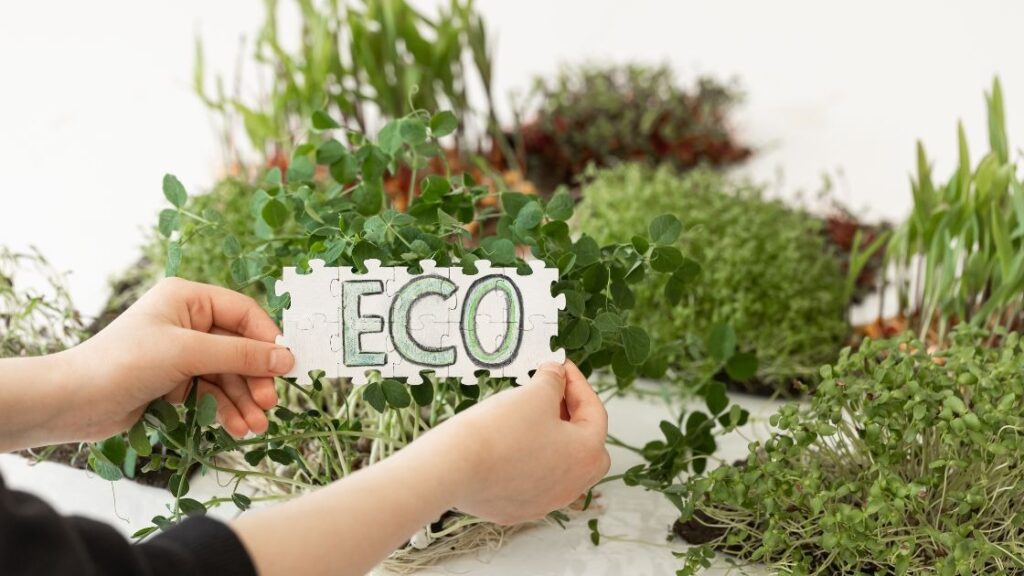
Making the transition to sustainable home décor becomes much easier when you follow a few practical guidelines. Always look for recognized certifications such as Fair Trade, GOTS, or FSC labels on products. Research brands thoroughly by reading reviews and checking their sustainability policies. Start small by replacing items in one room at a time rather than overhauling your entire home at once. Prioritize quality over quantity because one well made eco homeware piece will always outperform several cheaper, poorly made alternatives. Finally, consult with a professional interior designer who specializes in sustainable spaces, as their expertise can help you avoid costly mistakes and discover brands you might never find on your own.
Conclusion
The shift toward eco homewares is not a passing trend. It represents a meaningful evolution in how we think about our living spaces and the impact our choices have on the world around us. As we have explored throughout this article, interior designers are championing this movement because it combines beautiful aesthetics with genuine environmental responsibility, creating homes that look stunning while respecting the planet.
From healthier indoor air quality and superior product durability to supporting ethical communities and reducing your carbon footprint, the advantages of choosing sustainable home décor speak for themselves. Every room in your home presents an opportunity to make thoughtful, planet friendly decisions without compromising on style or comfort. Whether you begin with something as simple as organic cotton towels in the bathroom or invest in a statement piece of reclaimed wood furniture for your living room, each step matters.
The challenges of higher costs and greenwashing risks are real, but they become far more manageable when you shop with awareness, verify certifications, and seek guidance from design professionals who specialize in green living products. Knowledge truly is your greatest tool in this journey toward conscious living.
As more homeowners and designers embrace eco homewares, the industry will continue to grow, prices will become more accessible, and sustainable options will expand across every style and category. Now is the perfect time to start making changes that benefit your home, your health, and the environment. The future of interior design is undeniably green, and your home deserves to be part of that positive transformation.