
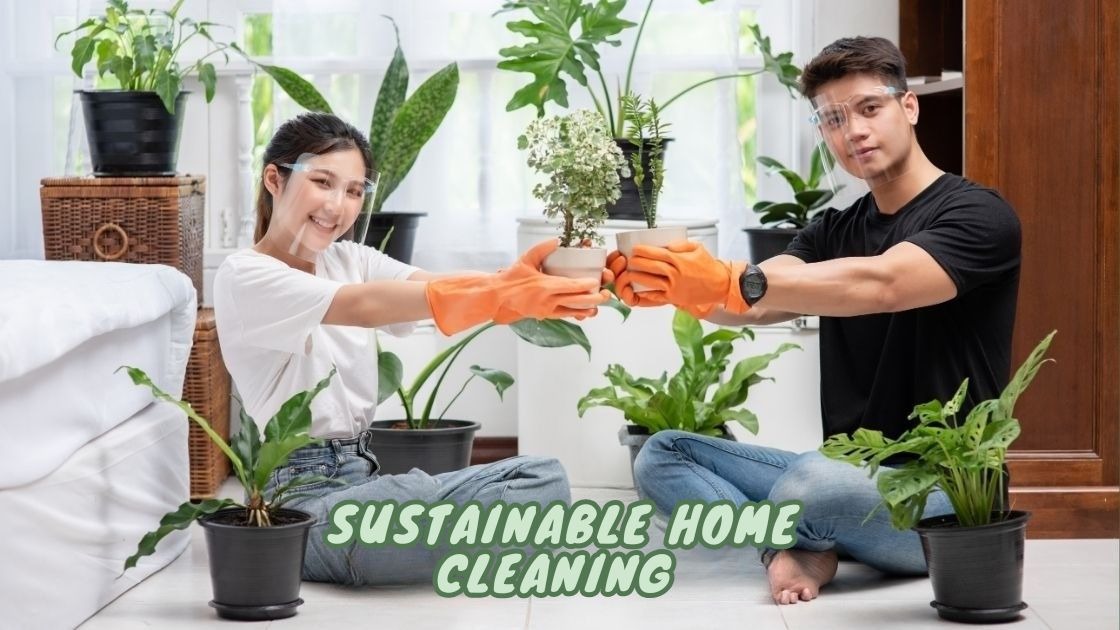
Sustainable home cleaning is no longer just a trend it has become a necessary shift for families who want to protect both their health and the planet. Every year, millions of households unknowingly expose themselves to harsh chemicals hidden inside conventional cleaning products. These toxic ingredients pollute indoor air, contaminate water systems, and contribute to long-term health risks that most people never consider. If you have been searching for eco-friendly cleaning methods that actually deliver results without compromising your well-being, you are in the right place. This article brings you evidence-based strategies rooted in real research and practical experience to transform the way you care for your living space.
The truth is, making your home sparkle does not require aggressive chemicals or expensive specialty products. Simple, natural cleaning solutions like white vinegar, baking soda, and castile soap have been scientifically proven to eliminate bacteria and grime just as effectively as their chemical-laden alternatives. The growing demand for non-toxic cleaning approaches reflects a deeper awareness that what we use inside our homes directly impacts our respiratory health, skin sensitivity, and even our children’s development.
Throughout this guide, we will walk you through trusted and practical sustainable home cleaning tips backed by expert recommendations and scientific findings. From building your own green cleaning products at home to adopting smarter chemical-free home care routines, every suggestion is designed to be affordable, accessible, and genuinely effective. Whether you are a beginner just starting your eco-conscious journey or someone looking to refine an already established routine, this article will give you the confidence and knowledge to maintain a healthier, cleaner home the sustainable way.
What Is Sustainable Home Cleaning and Why Does It Matter
Sustainable home cleaning refers to the practice of using environmentally responsible products, tools, and techniques to maintain a clean and healthy living space. Unlike conventional cleaning, which often relies on synthetic chemicals and single use plastics, this approach prioritizes ingredients and methods that are safe for people, pets, and the planet. The concept has gained significant momentum over the past decade as consumers become more aware of the environmental footprint their daily habits leave behind.
The importance of sustainable home cleaning cannot be overstated. According to the Environmental Protection Agency, indoor air can be two to five times more polluted than outdoor air, largely due to volatile organic compounds released by traditional cleaning agents. Switching to green cleaning alternatives reduces your exposure to these harmful substances while also minimizing water pollution and landfill waste. It is a simple yet powerful way to contribute to a healthier ecosystem without leaving your front door.
The History and Growing Demand for Eco Friendly Cleaning
The idea of cleaning with natural ingredients is far from new. For centuries, households relied on vinegar, lemon, salt, and soap made from plant oils to keep their spaces spotless. The shift toward chemical based products only began in the mid 20th century when mass manufacturing made synthetic cleaners widely available and affordable.
However, growing scientific evidence linking these products to allergies, hormonal disruption, and respiratory conditions has sparked a return to safer alternatives. Today, sustainable home cleaning is supported by environmental organizations, health experts, and even government agencies that encourage non-toxic household care as a standard practice. The global green cleaning products market is projected to grow steadily, reflecting a genuine and lasting shift in consumer priorities.
Key Benefits of Sustainable Home Cleaning
Healthier Indoor Environment
One of the most compelling reasons to adopt sustainable home cleaning is the immediate improvement in indoor air quality. Natural cleaning agents do not release toxic fumes, making your home safer for children, elderly family members, and anyone with asthma or sensitivities. Chemical free cleaning methods allow you to breathe easier literally.
Lower Environmental Impact
Every product you wash down the drain eventually enters the water system. Conventional cleaners introduce phosphates, chlorine, and artificial fragrances into rivers and oceans, harming aquatic life. Sustainable home cleaning products are biodegradable and designed to break down safely, protecting ecosystems long after the cleaning is done.
Cost Effective Solutions
Many people assume that going green means spending more, but the reality is quite the opposite. Most DIY natural cleaning solutions use pantry staples like baking soda, white vinegar, and essential oils, which cost a fraction of branded chemical cleaners and last significantly longer.
How Sustainable Home Cleaning Works: A Simple Process
Transitioning to sustainable home cleaning does not require a complete lifestyle overhaul. It is a gradual process that starts with small, manageable changes and builds into a fully eco conscious routine over time.
Step by Step Guide to Getting Started
- Audit your current products. Check the labels of every cleaner in your home and identify those containing parabens, phthalates, ammonia, or bleach that could pose health risks.
- Replace one product at a time. Start with your most frequently used cleaner, such as your all purpose spray, and swap it with a plant based cleaning alternative.
- Create your own solutions. Mix equal parts water and white vinegar in a spray bottle for an effective surface cleaner that handles grease and bacteria naturally.
- Choose reusable cleaning tools. Switch from paper towels and disposable wipes to microfiber cloths, bamboo scrub brushes, and washable mop pads.
- Establish a weekly green cleaning schedule. Consistency is the key to making sustainable home cleaning a lasting habit rather than a temporary experiment.
Types of Sustainable Cleaning Products You Can Trust
Store Bought Green Cleaners
Several reputable brands now offer certified eco friendly cleaning products that meet strict safety and environmental standards. Look for certifications like EPA Safer Choice, Green Seal, or EWG Verified when shopping to ensure the product genuinely meets sustainability claims.
Homemade Natural Cleaners
For those who prefer complete control over ingredients, homemade solutions are an excellent choice. A combination of baking soda and castile soap works wonderfully as a bathroom scrub, while lemon juice mixed with olive oil creates a natural wood polish that leaves furniture gleaming.
Refillable and Zero Waste Options
The rise of zero waste cleaning brands has introduced refillable glass bottles and concentrated cleaning tablets that dissolve in water. These options dramatically reduce plastic waste and align perfectly with a sustainable home cleaning philosophy.
Common Challenges and How to Overcome Them
While the benefits are clear, some people face obstacles when transitioning to greener cleaning habits. Understanding these challenges helps you stay committed.
- Skepticism about effectiveness. Many worry that natural products will not clean as well, but studies confirm that vinegar kills up to 90% of bacteria and baking soda effectively removes tough stains.
- Habit resistance. Years of relying on conventional products can make change feel uncomfortable, so starting with one room or one product at a time eases the transition.
- Misleading greenwashing claims. Not all products labeled “natural” or “green” are truly safe, which is why checking for third party certifications is essential.
- Limited local availability. In some areas, certified green products may be harder to find, but online retailers and DIY recipes offer convenient alternatives.
- Perceived higher cost. While some branded green products carry a premium price, homemade solutions and bulk refills actually reduce your overall cleaning budget significantly.

Expert Recommendations for Long Term Success
Professionals in environmental health consistently recommend sustainable home cleaning as one of the easiest lifestyle changes with the greatest impact. Experts suggest ventilating your home regularly, avoiding artificial air fresheners, and reading every product label carefully before purchasing. Building your routine around safe cleaning practices ensures that your efforts are consistent, effective, and genuinely beneficial for your household.
The journey toward a cleaner and greener home is not about perfection. It is about making intentional choices, one cleaning session at a time, that add up to meaningful change for your family and the environment.
Conclusion
Choosing sustainable home cleaning is one of the most practical decisions you can make for the health of your family and the well-being of our planet. Throughout this guide, we have explored how natural ingredients, reusable tools, and certified eco friendly products can replace harmful chemicals without sacrificing cleanliness or convenience. The evidence is clear that small, intentional shifts in your cleaning routine lead to significantly better indoor air quality, reduced environmental damage, and meaningful long term savings.
Whether you decide to create your own DIY natural cleaners, invest in trusted green cleaning brands, or simply start by eliminating one toxic product from your cabinet, every step matters. The challenges of transitioning may feel real at first, but the strategies shared in this article prove that going green is both accessible and affordable for every household regardless of budget or experience level.
What makes sustainable home cleaning truly powerful is its ripple effect. When one family adopts safer cleaning habits, it influences neighbors, friends, and communities to rethink their own choices. Over time, these collective actions contribute to cleaner waterways, less plastic waste, and healthier living environments for generations to come. The path to a toxin free home does not demand perfection it simply asks for progress. Start where you are, use what you have, and trust that every chemical free cleaning choice you make is a step toward a healthier, more sustainable future for everyone.