
Few landscapes on Earth inspire as much awe and admiration as the world’s tallest mountain peaks. Towering high above sea level, these natural wonders are more than just rock and snow they are symbols of strength, endurance, and mystery. From Everest to K2, mountain peaks capture the imagination of climbers, scientists, and nature lovers alike.
In this article, we’ll explore the majesty and mystery surrounding the highest mountain peaks on the planet. We’ll delve into their history, their significance to different cultures, the challenges they pose to explorers, and the reasons why they continue to captivate humanity. Whether you’re a mountaineering enthusiast or just a curious reader, this deep dive into the world of mountain peaks will leave you inspired and informed.
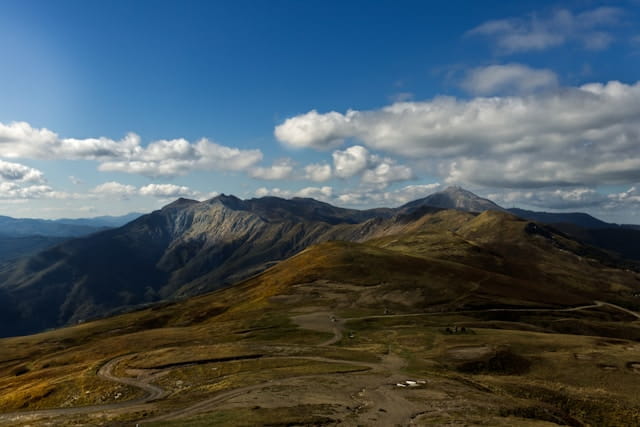
What Are Mountain Peaks?
Mountain peaks are the highest points of a mountain, often reaching elevations where life becomes sparse and the air thin. These summits can be snow-covered year-round and shaped by millions of years of tectonic activity, erosion, and glaciation. The highest mountain peaks in the world are found in ranges like the Himalayas, Andes, and Karakoram.
Key characteristics of mountain peaks include:
•High elevation above sea level
•Extreme weather conditions
•Diverse geological formations
•Unique ecosystems and biodiversity
These peaks are not only geographical landmarks but also spiritual symbols and natural frontiers.
A Brief History of Conquering Tall Peaks
The history of mankind’s fascination with tall mountain peaks dates back centuries. Ancient civilizations often revered mountains as homes of gods or sacred places.
In modern history:
•Mount Everest was first summited by Sir Edmund Hillary and Tenzing Norgay in 1953
•K2, the second-tallest peak, saw its first successful ascent in 1954 by an Italian team
•Many 8,000-meter peaks remained unconquered until the mid-20th century
The quest to conquer the world’s highest summits has evolved into a combination of adventure, science, and extreme sport.
Importance of the World’s Tallest Mountain Peaks
Mountain peaks serve more purposes than their breathtaking beauty. Their importance spans across environmental, cultural, and scientific domains.
Environmental Role
•They act as water towers for billions, feeding rivers and streams that sustain agriculture and life
•Mountain peaks regulate climate by influencing weather patterns
•They harbor rare ecosystems that host species found nowhere else on Earth
Cultural Significance
Many cultures attach spiritual and religious meaning to peaks:
•Mount Kailash is sacred in Hinduism, Buddhism, and Jainism
•The Andes mountains are central to many indigenous beliefs in South America
Scientific Value
Scientists study tall mountain peaks to understand:
•Climate change through glacial melt patterns
•Geological history via rock formations
•Atmospheric conditions at high altitudes
The Challenges of Climbing Mountain Peaks
Reaching the summit of the tallest mountain peaks is a feat that demands more than physical fitness it requires mental resilience, technical skill, and extensive preparation.
Physical and Environmental Hazards
•Thin air at high altitudes can cause altitude sickness
•Unpredictable weather includes blizzards, avalanches, and extreme cold
•The “Death Zone” (above 8,000 meters) is where oxygen levels are dangerously low
Human Factors
•Climbers face isolation and mental fatigue
•Expeditions are expensive, often requiring months of planning
•Overcrowding on popular peaks like Everest has created logistical and safety issues
Despite these risks, the allure of standing atop the highest points on Earth remains irresistible to many.
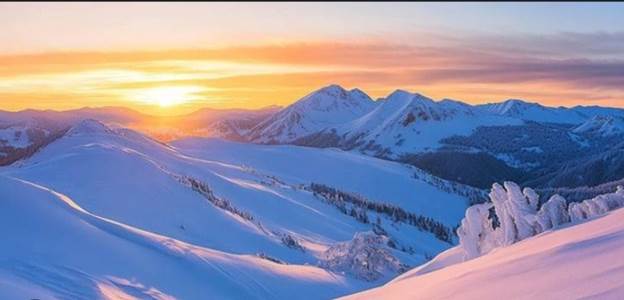
Famous Mountain Peaks Around the World
Here are some of the most iconic and tallest mountain peaks that continue to challenge and fascinate explorers worldwide:
Mount Everest (8,848.86 m)
•Location: Nepal-Tibet border
•The tallest mountain peak on Earth
•More than 300 climbers have lost their lives while trying to reach the summit.
K2 (8,611 m)
•Located in Pakistan’s Karakoram Range
•Considered the most dangerous peak due to steepness and weather
Kangchenjunga (8,586 m)
•India-Nepal border
•Known for its remote location and spiritual significance
Denali (6,190 m)
•Highest peak in North America, located in Alaska
•Features extreme cold and rapidly changing weather
Aconcagua (6,961 m)
•Tallest peak in South America, located in Argentina
•Popular among climbers preparing for the Himalayas
These mountain peaks are more than destinations—they are lifelong dreams for climbers and enduring marvels for everyone else.
The Benefits of Exploring Mountain Peaks
Although climbing the highest summits is daunting, it also offers immense personal and societal rewards.
Personal Transformation
•Improved resilience and mental strength
•A deeper connection to nature
•The thrill of achieving what few have accomplished
Scientific Discoveries
•New geological and biological findings
•Insights into climate shifts over time
•Understanding human endurance and adaptation
Global Awareness
•Expeditions raise awareness about environmental threats
•Promote responsible tourism and conservation
•Support local economies through ecotourism
Mountain peaks serve as natural classrooms, teaching us about the Earth’s past and the future of our planet.
Sustainable Mountaineering and Conservation
As more people seek the thrill of summiting high peaks, the need for sustainable practices becomes urgent.
Key conservation strategies include:
•Limiting the number of climbing permits
•Strict waste management regulations
•Educating climbers on ethical mountaineering
Organizations and local governments are working to preserve the fragile ecosystems around these peaks to ensure future generations can experience their grandeur.
Conclusion
The world’s tallest mountain peaks represent the pinnacle of natural beauty, human ambition, and environmental significance. From their geological history to their cultural meanings and the challenges of their ascent, these peaks are as mysterious as they are majestic. As we continue to