
The Earth is a masterpiece of beauty and diversity, offering landscapes that leave us in awe of nature’s power and creativity. From towering mountains to cascading waterfalls and vibrant coral reefs, natural wonders remind us of the planet’s ability to inspire, heal, and connect us to something greater than ourselves. These breathtaking sites are not only stunning to behold but also vital to our environment and culture.
In this article, we will explore the world’s most iconic natural wonders, their significance, and the role they play in both ecological balance and human inspiration. We will also discuss how these marvels are preserved, the challenges they face, and why protecting them is essential for future generations. Whether you are a passionate traveler or a curious reader, this journey through Earth’s natural wonders will deepen your appreciation for the beauty that surrounds us.
What Are Natural Wonders?
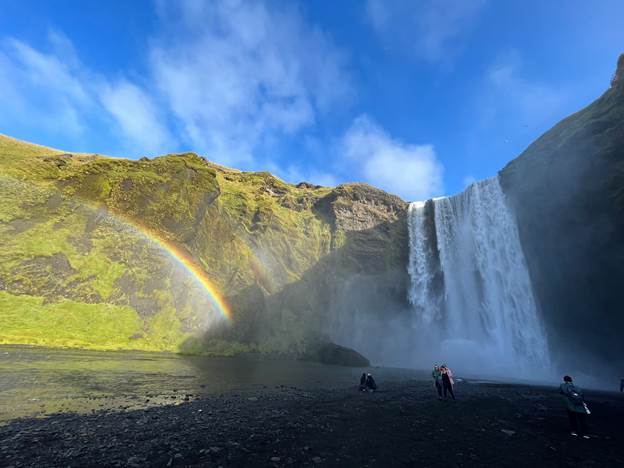
Natural wonders are extraordinary landscapes or phenomena created by Earth’s geological, biological, or climatic processes. Unlike man-made landmarks, these sites are entirely shaped by nature, making them rare and irreplaceable treasures. From vast deserts and glowing caves to rainforests and glaciers, natural wonders showcase the planet’s diversity.
The concept gained global recognition when lists like the “Seven Natural Wonders of the World” were created to highlight Earth’s most remarkable sights. However, countless other hidden gems exist, each carrying its own story and significance.
Importance of Natural Wonders
Natural wonders are more than just scenic attractions. They play a critical role in sustaining biodiversity, regulating ecosystems, and supporting human well-being. For example:
•Mountains act as water reservoirs, supplying rivers and streams.
•Rainforests like the Amazon generate oxygen and absorb carbon dioxide.
•Coral reefs protect coastlines while nurturing marine life.
Additionally, these wonders have cultural, spiritual, and economic importance. Millions of people visit them each year, boosting tourism industries while fostering a sense of global unity and wonder.
Famous Natural Wonders Around the World
The Grand Canyon, USA
Carved by the Colorado River, the Grand Canyon stretches nearly 277 miles and reveals millions of years of geological history. Its vast scale and colorful rock formations make it one of the most recognized natural wonders in the world.
Mount Everest, Nepal
As the tallest mountain on Earth, Mount Everest stands as a symbol of endurance and exploration. Beyond its breathtaking views, it serves as a fragile ecosystem supporting rare species and unique weather systems.
The Great Barrier Reef, Australia
This UNESCO World Heritage Site is the largest coral reef system on the planet. Home to thousands of marine species, it is both a natural wonder and a reminder of the delicate balance required to maintain marine biodiversity.
Victoria Falls, Zambia and Zimbabwe
Known locally as “The Smoke That Thunders,” Victoria Falls is one of the world’s largest waterfalls. Its powerful cascade creates a mist that nourishes surrounding ecosystems, making it a vital source of life and beauty.
Hidden Gems: Lesser-Known Natural Wonders
While the famous sites receive global attention, many lesser-known natural wonders deserve recognition:
•Waitomo Glowworm Caves in New Zealand, where bioluminescent glowworms illuminate underground chambers
•Salar de Uyuni in Bolivia, the world’s largest salt flat that transforms into a giant mirror during the rainy season
•Zhangjiajie National Forest Park in China, with towering sandstone pillars said to inspire the floating mountains in the movie Avatar
These hidden gems highlight the incredible variety of landscapes waiting to be explored beyond the popular lists.
Challenges Facing Natural Wonders
Despite their grandeur, natural wonders face serious threats:
•Climate change leading to glacial melting and coral bleaching
•Pollution from human activities damaging ecosystems
•Overtourism putting pressure on fragile landscapes
•Deforestation and habitat loss reducing biodiversity
Without strong conservation efforts, many natural wonders could deteriorate, losing both their beauty and ecological value.
Protecting Natural Wonders for the Future
Preservation is key to ensuring that natural wonders remain intact for generations to come. Effective strategies include:
1.Supporting eco-friendly tourism that minimizes environmental impact
2.Enforcing conservation laws and protected area status
3.Encouraging community-led initiatives to safeguard local ecosystems
4.Reducing carbon footprints to mitigate climate change effects
By making conscious choices, individuals and governments alike can contribute to protecting these irreplaceable treasures.
The Role of Natural Wonders in Human Experience
Beyond science and conservation, natural wonders hold deep emotional and spiritual value. Standing at the edge of the Grand Canyon or witnessing the northern lights connects people to the vastness of the universe. These experiences inspire creativity, strengthen mental health, and remind us of our responsibility to care for the Earth.
Natural wonders also unite cultures, as many of these sites are sacred to indigenous communities. Protecting them is not just about conservation it is about preserving heritage and honoring traditions.
Conclusion
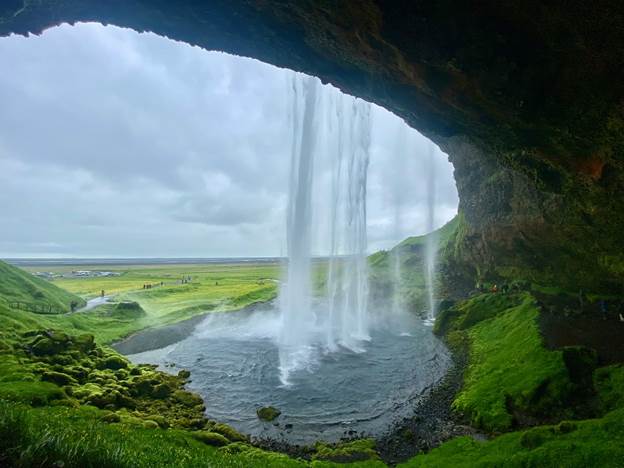
Natural wonders are timeless reminders of Earth’s magnificence and resilience. From famous icons like the Great Barrier Reef to hidden treasures such as salt flats and glowworm caves, they shape our environment, economies, and cultures. Yet, these wonders face increasing threats that demand collective action. By valuing and protecting natural wonders, we ensure they continue to inspire, educate, and sustain future generations. Explore them with care, appreciate their beauty, and join the movement to protect these breathtaking gifts of nature.