
When a volcano erupts, the first images that come to mind are fiery lava flows, ash clouds, and dramatic explosions. However, one of the less visible yet highly impactful byproducts of volcanic activity is volcanic smog. Often referred to as “vog,” this phenomenon occurs when volcanic gases mix with moisture and air, creating a haze that can spread over large distances.
Table of Contents
Volcanic smog poses serious risks to human health, agriculture, and ecosystems, while also contributing to changes in the atmosphere. With volcanic regions home to millions of people worldwide, understanding the science, dangers, and potential solutions to volcanic smog is more important than ever.
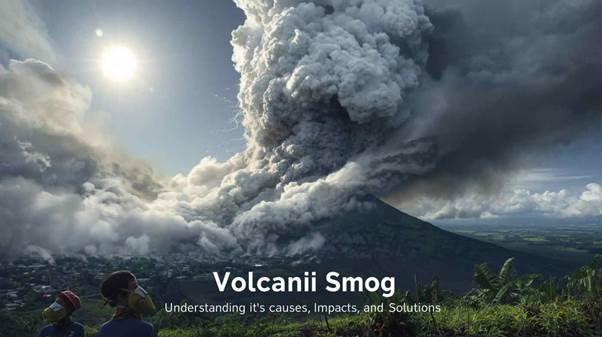
What is Volcanic Smog?
Volcanic smog forms when sulfur dioxide (SO₂) and other gases released during volcanic activity interact with oxygen, sunlight, and water vapor. This chemical reaction produces fine sulfate particles that remain suspended in the air, creating a visible haze. Unlike ordinary air pollution, volcanic smog originates naturally but can linger for days or weeks, depending on wind patterns and the intensity of the eruption. While it may appear as a simple mist, the microscopic particles in volcanic smog can cause significant health and environmental problems.
Causes of Volcanic Smog Formation
The main driver of volcanic smog is sulfur dioxide released during eruptions. However, other factors contribute to its persistence and spread:
- Gas composition: Volcanoes emit sulfur dioxide, carbon dioxide, and hydrogen sulfide, but sulfur compounds are the primary culprits behind volcanic smog.
- Weather conditions: Wind direction, humidity, and sunlight determine how far the haze will travel and how dense it becomes.
- Eruption scale: Large, continuous eruptions produce more gases, creating prolonged volcanic smog events that may cover hundreds of kilometers.
Health Impacts of Volcanic Smog
Exposure to volcanic smog has direct consequences for human health. Fine particles and gases can irritate the eyes, throat, and lungs, particularly in vulnerable groups such as children, the elderly, and those with respiratory conditions. Prolonged exposure to volcanic smog has been linked to asthma attacks, chronic bronchitis, and decreased lung function. In severe cases, it may contribute to cardiovascular stress. For communities near active volcanoes, monitoring air quality is essential to reduce the risks posed by volcanic smog.
Environmental Consequences of Volcanic Smog
Beyond health concerns, volcanic smog significantly affects the environment.
- Vegetation damage: Sulfate particles can block sunlight, reducing photosynthesis in crops and forests. Acidic droplets from volcanic smog may also burn plant leaves and stunt growth.
- Soil and water acidification: When the smog settles, it can lower the pH of soils and freshwater bodies, impacting agriculture and aquatic ecosystems.
- Wildlife exposure: Animals, particularly grazing livestock, may inhale toxic gases or consume vegetation contaminated by volcanic smog.
These impacts highlight the far-reaching consequences of volcanic smog beyond the immediate vicinity of an eruption.
Economic Costs of Volcanic Smog
Communities living near volcanic regions often rely on agriculture and tourism. Unfortunately, volcanic smog disrupts both sectors. Reduced visibility deters tourists, while crop failures caused by poor air quality lower agricultural yields. In Hawaii, for example, persistent volcanic smog from Kīlauea Volcano has harmed coffee and flower farms, forcing farmers to bear financial losses. The costs of healthcare, emergency responses, and mitigation strategies further add to the economic burden of volcanic smog.

Volcanic Smog and Climate Effects
While local impacts are severe, volcanic smog can also influence the global climate. Sulfate aerosols reflect sunlight, leading to temporary cooling in affected regions. Large eruptions that release vast amounts of sulfur dioxide may even lower global temperatures for months or years. For example, the eruption of Mount Pinatubo in 1991 injected so much gas into the atmosphere that it caused a noticeable drop in average global temperatures. This shows how volcanic smog not only affects human health and ecosystems but also plays a role in Earth’s climate system.
Mitigation and Management of Volcanic Smog
Since volcanic smog originates from natural geological processes, it cannot be completely prevented. However, steps can be taken to reduce its impact:
- Air quality monitoring: Installing sensors in volcanic regions helps track gas emissions and issue warnings to residents.
- Protective measures: Wearing masks, staying indoors, and using air purifiers reduce personal exposure to volcanic smog.
- Public awareness: Education campaigns inform communities about the risks of volcanic smog and safe practices during heavy exposure.
- Agricultural adaptation: Farmers can use resistant crop varieties or protective coverings to shield plants from damage caused by volcanic smog.
Case Studies: Volcanic Smog Around the World
Some regions are more prone to volcanic smog than others.
- Hawaii: Kīlauea Volcano frequently emits sulfur dioxide, creating persistent vog that impacts local communities and agriculture.
- Iceland: The 2014 Holuhraun eruption produced widespread volcanic smog that spread across Europe, raising air quality concerns.
- Philippines: Active volcanoes like Taal and Mayon occasionally release gases that generate volcanic smog, affecting nearby populations.
These examples highlight the global relevance of volcanic smog and the need for effective monitoring and response systems.
Conclusion
Volcanic smog is a natural yet hazardous byproduct of volcanic activity, with significant effects on health, the environment, and the economy. While it cannot be eliminated, better monitoring, education, and adaptation strategies can help reduce its impact on vulnerable communities. As volcanoes continue to shape the Earth’s landscape, understanding and preparing for the challenges posed by volcanic smog ensures a safer and more resilient future.