
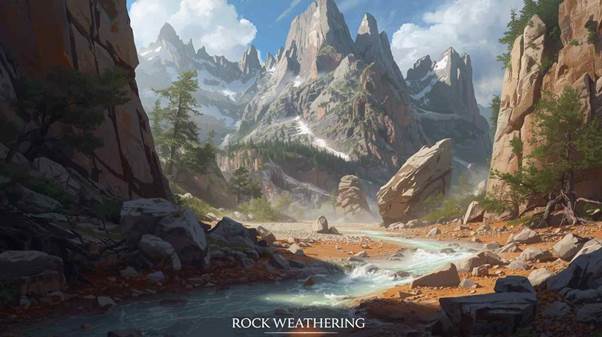
The Earth’s surface is in a constant state of transformation, shaped by natural forces that operate over millions of years. One of the most fundamental processes driving these changes is rock weathering.
Table of Contents
This slow but powerful phenomenon breaks down rocks into smaller particles, influencing soil formation, landscapes, and even the global carbon cycle. By understanding rock weathering, scientists, environmentalists, and students can gain insights into how our planet evolves and sustains life.
What is Rock Weathering?
At its core, rock weathering is the natural breakdown of rocks through physical, chemical, and biological processes. Unlike erosion, which involves the movement of particles, weathering happens in place. Over time, large rock formations crumble into soil and sediment, becoming essential components of ecosystems. Without rock weathering, fertile soil would not exist, making agriculture and plant growth nearly impossible.
Types of Rock Weathering
There are three main types of rock weathering, each driven by different mechanisms:
Physical Weathering
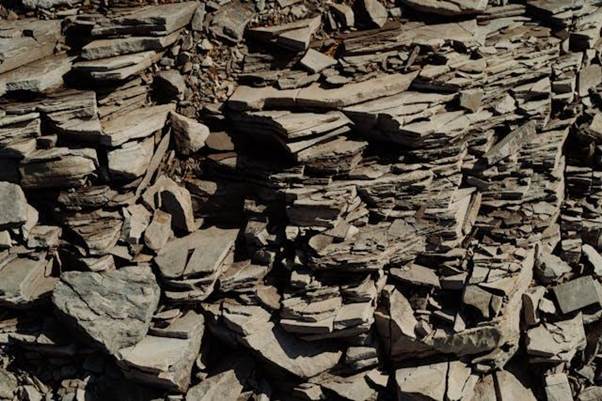
Also called mechanical weathering, this process breaks rocks into smaller pieces without changing their chemical composition. Temperature fluctuations, freeze-thaw cycles, and abrasion from wind or water are key drivers. A common example of physical rock weathering is the cracking of rocks in cold regions when water seeps into crevices, freezes, and expands.
Chemical Weathering
Chemical processes alter the composition of rocks, making them weaker and easier to break down. Rainwater, often slightly acidic due to dissolved carbon dioxide, reacts with minerals to form new compounds. For instance, limestone undergoes chemical rock weathering when carbonic acid in rainwater dissolves calcium carbonate. This type of weathering plays a critical role in shaping caves and karst landscapes.
Biological Weathering
Living organisms also contribute to rock weathering. Roots of plants penetrate cracks in rocks, exerting pressure that causes them to fracture further. Lichens and mosses release organic acids that chemically alter minerals. Even burrowing animals can accelerate rock weathering by exposing new surfaces to environmental factors.
The Role of Climate in Rock Weathering
Climate strongly influences how quickly and in what form rock weathering occurs. In cold regions, physical weathering dominates because of freeze-thaw cycles. In contrast, warm and humid environments favor chemical rock weathering, as higher temperatures and abundant moisture accelerate chemical reactions. Desert areas, while dry, still experience weathering due to thermal expansion and contraction of rocks exposed to extreme temperature variations.
Importance of Rock Weathering in Soil Formation
Soil, the foundation of agriculture and plant life, owes its existence largely to rock weathering. As rocks disintegrate, minerals mix with organic matter to create fertile ground. Different types of rocks contribute specific nutrients to the soil: granite enriches it with potassium, while basalt provides iron and magnesium. Without continuous rock weathering, soils would eventually lose nutrients, reducing their ability to support vegetation.
Rock Weathering and the Carbon Cycle
Beyond shaping landscapes and soil, rock weathering plays a vital role in regulating Earth’s climate. During chemical weathering, carbon dioxide from the atmosphere reacts with minerals, effectively removing CO₂ and storing it in rocks or oceans. This natural process has acted as a climate stabilizer for millions of years. Scientists studying rock weathering suggest it may help counterbalance rising greenhouse gas levels, although the process operates over geological timescales.
Human Impact on Rock Weathering
While rock weathering is a natural process, human activities can accelerate or alter it. Urbanization exposes new rock surfaces through mining and construction, speeding up weathering. Acid rain, caused by industrial pollution, intensifies chemical rock weathering by increasing the acidity of rainfall. Conversely, deforestation reduces biological weathering since fewer plant roots interact with rocks. These changes highlight how human influence can reshape natural geological cycles.
Rock Weathering in Everyday Life
Though often unnoticed, rock weathering affects daily life in many ways. Buildings made from stone, such as marble or sandstone, undergo weathering, leading to structural damage over time. Historical monuments, including the Pyramids of Egypt and cathedrals in Europe, show visible signs of rock weathering due to pollution and natural elements. Understanding these processes helps in designing better preservation techniques for cultural heritage.
Myths and Misconceptions About Rock Weathering
Some people confuse rock weathering with erosion, assuming they are the same. In reality, weathering breaks down rocks in place, while erosion involves transport. Another misconception is that weathering only happens slowly. While geological timescales dominate, certain forms of rock weathering, such as acid rain effects, can alter structures visibly within decades. Dispelling these myths helps people appreciate the complexity of this natural process.
Future Studies on Rock Weathering
Modern technology allows scientists to study rock weathering more precisely than ever. Remote sensing, computer modeling, and laboratory simulations provide deeper insights into how rocks respond to environmental changes. With concerns about climate change, researchers are particularly interested in how rock weathering can help absorb atmospheric carbon dioxide. These studies not only expand scientific knowledge but also offer potential solutions for environmental challenges.
Conclusion
Rock weathering may be a slow process, but its impact on Earth is profound. From shaping landscapes and forming fertile soils to influencing the global climate, it plays a central role in the planet’s ecological balance. Human activities may alter its pace, but understanding and respecting the process can guide better environmental management and conservation efforts. By studying rock weathering, we not only uncover the hidden forces shaping our world but also find ways to protect it for future generations.