
The Arctic tundra is one of the most extraordinary ecosystems on Earth, stretching across the northernmost regions of the globe. Characterized by icy winds, frozen landscapes, and minimal vegetation, it is home to some of the toughest creatures and resilient plant life. Despite its harsh conditions, the Arctic tundra supports a delicate balance of biodiversity that plays a crucial role in global ecological stability. From indigenous communities to migratory birds and Arctic foxes, life here is a story of survival and adaptation.
Table of Contents
This article will explore the definition, history, ecological significance, and challenges of the Arctic tundra while also showcasing fascinating examples of how both wildlife and humans manage to thrive in this environment. By understanding the importance of this biome, we can better appreciate its role in climate systems and recognize the urgency of conserving it for future generations.
Arctic Tundra Definition and Key Features
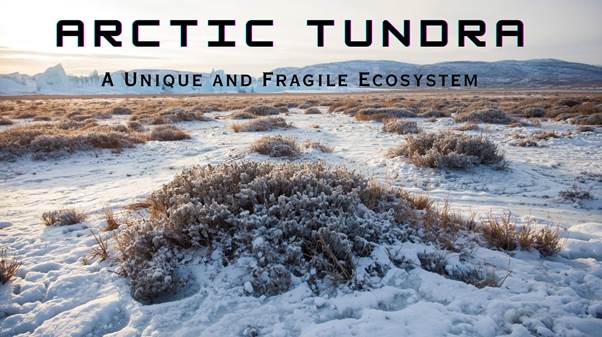
The Arctic tundra is a treeless biome found primarily in Alaska, Canada, Greenland, Iceland, and Russia. It lies just below the polar ice caps and is defined by permafrost, a permanently frozen layer of soil. The surface thaws slightly during summer, allowing mosses, lichens, and small shrubs to grow. Temperatures remain cold most of the year, with winters often dipping below –30°C. Precipitation is minimal, classifying the Arctic tundra as a cold desert. Despite these extreme conditions, it is home to more than 1,700 plant species and countless migratory animals.
Historical Background of Arctic Tundra Studies
Interest in the Arctic tundra grew during early polar expeditions in the 19th century. Explorers documented the resilience of indigenous communities such as the Inuit, who had developed survival techniques uniquely adapted to the environment. Later, scientists began studying the tundra to understand permafrost, carbon storage, and its relationship to global climate. In the 20th and 21st centuries, research has intensified due to climate change, with melting ice and thawing permafrost becoming major environmental concerns.
Importance of the Arctic Tundra Ecosystem
The Arctic tundra is not just a frozen wasteland; it is vital to the Earth’s ecological balance. Its importance can be seen in several ways:
Carbon Storage: Permafrost traps massive amounts of carbon, preventing its release into the atmosphere.
Wildlife Habitat: It supports polar bears, Arctic foxes, caribou, and migratory birds
Climate Regulation: Ice and snow reflect sunlight, regulating Earth’s temperature.
Indigenous Culture: The region sustains traditional hunting and fishing practices essential for native peoples.
Adaptations of Arctic Tundra Wildlife
Survival in the Arctic tundra demands remarkable adaptation. Animals and plants have evolved unique traits to withstand the extreme climate.
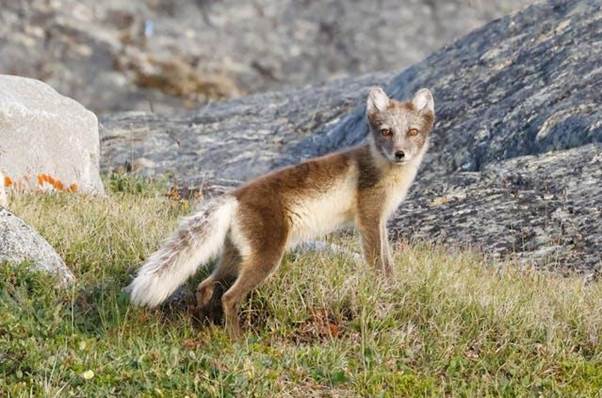
- Arctic Fox: Its thick fur changes color with the seasons, providing camouflage in snow and tundra landscapes.
- Caribou: Migrates long distances for food, with hooves adapted for snow and soft tundra ground.
- Musk Oxen: Have long shaggy coats that insulate against freezing winds.
- Lichens and Mosses: Thrive in poor soils and withstand freezing conditions.
These adaptations highlight the resilience of life in this fragile biome.
Challenges Facing the Arctic Tundra
Despite its resilience, the Arctic tundra is under severe threat.
Climate Change: Rising global temperatures cause permafrost to thaw, releasing stored carbon dioxide and methane.
Biodiversity Loss: Melting ice disrupts food chains, threatening polar bears and migratory species.
Human Activity: Oil drilling, mining, and infrastructure projects fragment habitats.
Indigenous Struggles: Traditional practices face disruption due to shrinking ice and shifting animal populations.
The cumulative impact of these challenges makes the Arctic tundra one of the most vulnerable ecosystems in the world.
Benefits of Studying and Protecting the Arctic Tundra
Research and conservation of the Arctic tundra are not just for environmentalists; they have benefits for all of humanity:
- Climate Insight: Studying permafrost helps predict climate change impacts.
- Biodiversity Protection: Conserving the tundra ensures survival of rare species.
- Cultural Preservation: Safeguarding indigenous communities maintains human diversity.
- Global Stability: Protecting Arctic systems helps prevent extreme climate fluctuations.
Real-World Examples of Arctic Tundra Changes
Recent years have shown alarming but insightful examples of change:
- Thawing Permafrost in Siberia: Methane gas bubbles are escaping from lakes, a sign of rapid warming.
- Declining Polar Bear Populations: Melting ice reduces hunting grounds for seals, the bears’ main prey.
- Indigenous Adaptation in Alaska: Communities are shifting hunting seasons and methods to survive unpredictable ice conditions.
These examples stress the urgency of global cooperation in protecting this fragile biome.
Conclusion:
The Arctic tundra is one of Earth’s most unique ecosystems, where life thrives against the odds. Its permafrost, wildlife, and indigenous communities all play a vital role in global climate and cultural diversity. However, rapid warming and human exploitation are placing it at risk. Protecting this fragile biome is not just about saving polar bears it is about ensuring climate stability and ecological balance for everyone. By learning more and supporting conservation, we can help preserve the Arctic tundra for future generations.
Arctic Tundra: 5 Key Features Revealed: A Positive Insight
Meta description: Discover the Arctic tundra, a fragile yet vital ecosystem. Learn its features, wildlife, challenges, and importance in regulating Earth’s climate.