
The grassland plains are some of the most fascinating and expansive ecosystems on Earth. Spanning vast areas across continents, they are dominated by grasses rather than trees, creating open landscapes that support diverse wildlife and human activity. From the African savannas to the North American prairies, grassland plains provide essential habitats, fertile soils, and cultural significance. These regions are more than just open fields; they are living systems that play a critical role in biodiversity and global climate regulation.
Table of Contents
In this article, we will explore the definition, history, ecological importance, benefits, challenges, and real-world examples of grassland plains, while highlighting their value in today’s world.
Defining Grassland Plains
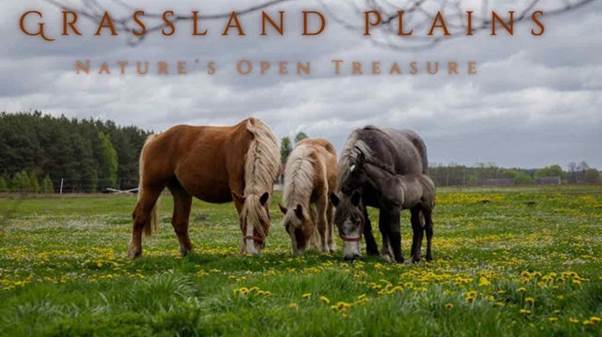
Grassland plains are large, open areas dominated by grasses and herbaceous plants with few trees. They typically develop in regions with moderate rainfall, not enough to sustain dense forests but sufficient to support thriving grass ecosystems. The soil in these areas is often rich in nutrients, making them ideal for supporting grazing animals and agriculture. Famous examples include the Great Plains of North America, the Pampas of South America, and the steppes of Central Asia.
Origins and Formation
Grassland plains originated during geological shifts when climates became drier and forests retreated. Over millions of years, grasses evolved to withstand grazing, fire, and drought, ensuring their survival and expansion. The spread of these plains coincided with the rise of large herbivores such as bison, antelope, and zebras, which helped shape their unique landscapes.
Ecological Importance of Grassland Plains
Grassland plains play a vital role in global ecosystems by:
• Supporting large populations of herbivores and predators
• Preventing soil erosion through dense root systems
• Acting as carbon sinks by storing carbon underground
• Providing habitats for countless bird, insect, and mammal species
These ecosystems are dynamic and sustain some of the most iconic wildlife species, including lions, elephants, and bison.
Benefits of Grassland Plains
Environmental Benefits
Grassland plains regulate Earth’s climate by absorbing carbon dioxide and maintaining soil fertility. Their extensive root systems prevent erosion and retain water, which helps sustain rivers and groundwater supplies.
Human Benefits
Humans rely heavily on grassland plains for survival and livelihood. These benefits include:
• Fertile soils that support global agriculture
• Grazing grounds for livestock, which provide meat, milk, and wool
• Renewable resources like medicinal plants and grasses for thatching
Cultural Significance
For centuries, grassland plains have shaped human societies. Nomadic tribes, herders, and indigenous cultures continue to rely on these regions for sustenance and cultural identity.
Adaptations of Wildlife in Grassland Plains
Animals living in grassland plains have evolved remarkable traits to thrive in open landscapes.
• Bison and wildebeest form herds for protection and efficient grazing
• Predators like lions and cheetahs rely on speed and stealth to catch prey
• Birds such as hawks and eagles soar across the skies to spot small mammals
• Rodents burrow underground to escape extreme temperatures and predators
These adaptations ensure survival in environments with limited cover and variable weather conditions.
Challenges Facing Grassland Plains
Human-Induced Threats
Modern human activities are among the biggest challenges for grassland plains. Expansion of agriculture, urbanization, and overgrazing have led to large-scale habitat destruction. In some regions, grasslands have been converted into farmland, reducing biodiversity and disrupting ecosystems.
Climate Change
Global warming poses new threats to grassland plains. Changes in rainfall patterns can lead to desertification, while rising temperatures affect both plant and animal life. Droughts reduce water supplies, stressing wildlife and agricultural productivity.
Loss of Biodiversity
The decline of native species due to hunting, poaching, and habitat loss is alarming. For example, populations of prairie dogs and steppe eagles have dramatically decreased, threatening ecosystem balance.
Real-World Examples of Grassland Plains
The Great Plains (North America)
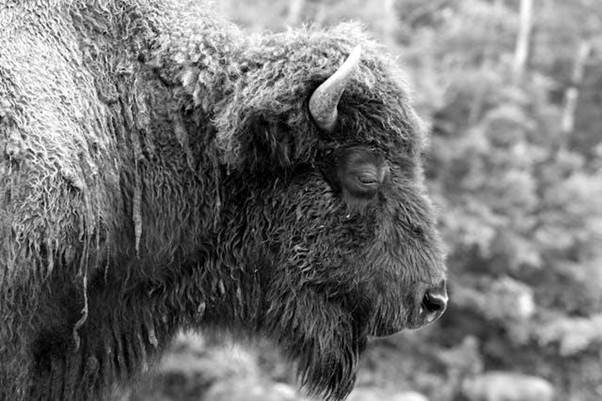
Stretching across the United States and Canada, the Great Plains are home to iconic species such as bison, prairie dogs, and coyotes. Historically, they supported indigenous tribes who relied on the land for hunting and cultural practices.
The African Savannas
Perhaps the most famous grassland plains, the African savannas host incredible biodiversity, including elephants, lions, giraffes, and zebras. These ecosystems are also vital for eco-tourism and conservation efforts.
The Pampas (South America)
The Pampas of Argentina and Uruguay are fertile plains that support agriculture and cattle ranching. They are crucial for the economies of these regions while still housing unique wildlife.
The Eurasian Steppes
Extending from Eastern Europe to Mongolia, the steppes have long been home to nomadic herders and wild horses. They highlight the cultural and ecological significance of grassland plains in human history.
Conservation of Grassland Plains
Protecting grassland plains requires global and local efforts. Key strategies include:
• Establishing protected areas and wildlife reserves
• Promoting sustainable agriculture and grazing practices
• Combating illegal hunting and poaching
• Raising awareness of their ecological importance
Community participation and eco-tourism also play a role in encouraging people to value and preserve these unique ecosystems.
Conclusion
The grassland plains are more than just stretches of grass; they are thriving ecosystems that sustain wildlife, support human livelihoods, and regulate the Earth’s climate. Despite facing threats from human activity and climate change, their importance remains undeniable. From the African savannas to the Great Plains, these regions showcase the resilience of nature and the interconnectedness of all life forms. Protecting grassland plains is not just an environmental necessity but also a step toward ensuring a sustainable future. By appreciating their beauty and significance, we can work collectively to preserve these open treasures for generations to come.