
Prairie lands are some of the most remarkable natural landscapes on Earth, stretching across continents and shaping ecosystems, cultures, and economies. These grasslands, dominated by grasses rather than trees, play a vital role in sustaining biodiversity and regulating the planet’s climate. From North America’s Great Plains to the Pampas of South America, prairie lands have always been a cradle of life for plants, animals, and even human communities.
Table of Contents
In this article, we will explore the definition and history of prairie lands, their ecological and economic importance, benefits, challenges, and real-world examples that show why protecting them is crucial for the future of our planet.

Definition and Background of Prairie Lands
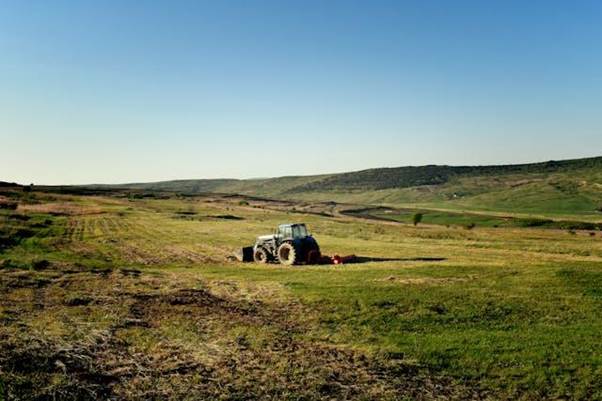
Prairie lands are large, open grasslands dominated by herbaceous plants, especially grasses. Unlike forests, they contain few trees due to limited rainfall and frequent fires. The term “prairie” comes from the French word for “meadow,” introduced by early explorers describing the vast expanses of North America.
Historically, prairie lands have been shaped by natural forces such as wind, fire, and grazing animals. Indigenous communities also influenced them through controlled burns, which helped maintain balance and improve soil fertility. These landscapes exist on nearly every continent, with North America’s Great Plains being the most famous.
Importance of Prairie Lands in Ecosystems
The importance of prairie lands extends far beyond their scenic beauty. They serve as critical ecosystems that balance global biodiversity and climate stability.
- They act as carbon sinks, absorbing large amounts of carbon dioxide
- They provide habitats for diverse wildlife, including bison, prairie dogs, and countless bird species
- They help in soil conservation by preventing erosion with deep-rooted grasses
Without prairie lands, many ecological processes would collapse, affecting not only wildlife but also human agriculture and weather regulation.
Benefits of Prairie Lands to Humans and Nature
Prairie lands benefit both people and the environment in multiple ways:
- Agriculture: Rich prairie soils, like those in the U.S. Midwest, produce wheat, corn, and soybeans.
- Biodiversity: They support pollinators such as bees and butterflies essential for food production.
- Water Cycle Regulation: Their vegetation helps filter groundwater and maintain rivers.
- Cultural Significance: Many Indigenous groups view prairie lands as sacred spaces tied to their heritage.
These benefits highlight why conserving grasslands is just as important as protecting forests
Challenges Facing Prairie Lands Today
Unfortunately, prairie lands face numerous threats in the modern era.
- Agricultural Expansion: Millions of acres have been converted to farmland.
- Urbanization: Cities and infrastructure development reduce grassland coverage.
- Climate Change: Rising temperatures and altered rainfall patterns threaten grassland species.
- Overgrazing: Excessive livestock grazing leads to soil degradation and loss of native plants.
If these challenges are not addressed, much of the world’s remaining prairie lands could vanish within decades.
Real-World Examples of Prairie Lands
Several iconic prairie lands still exist today:
- North America’s Great Plains: Spanning from Canada to Texas, once home to massive herds of bison.
- South America’s Pampas: Known for fertile soils and cattle ranching.
- African Savannas: Though slightly different, they share many grassland characteristics.
- Eurasian Steppes: Historical trade routes and grazing grounds for nomadic cultures.
These examples remind us that prairie lands are not just ecological treasures but also cultural and historical landmarks.
Conservation Efforts for Prairie Lands
Efforts to preserve prairie lands are growing worldwide:
- Protected Areas: National parks and reserves safeguard remaining grasslands.
- Restoration Projects: Native grasses are replanted to restore degraded prairies.
- Sustainable Agriculture: Farmers adopt crop rotation and controlled grazing to protect soil health.
- Global Awareness: Conservation groups spread knowledge about the importance of prairie lands.
These actions show that with collective effort, prairie ecosystems can survive and thrive for future generations.
Conclusion
Prairie lands are more than just vast open spaces; they are living ecosystems that provide food, biodiversity, and climate stability. They remind us of the interdependence between humans and nature. Protecting these landscapes requires awareness, sustainable practices, and conservation efforts. If preserved, prairie lands will continue to shape life on Earth for centuries to come. To learn more and contribute to their protection, stay updated on conservation initiatives and support sustainable land practices.
Q1: What are prairie lands?
Prairie lands are vast grasslands dominated by grasses and few trees, found mainly in North America, South America, Africa, and Eurasia.
Q2: Why are prairie lands important?
Prairie lands help regulate the climate, support biodiversity, provide fertile soil for farming, and act as natural carbon sinks.
Q3: What are the main threats to prairie lands?
The biggest threats include agricultural expansion, urbanization, overgrazing, and climate change, which reduce their natural coverage.