
Bamboo groves are among the most breathtaking and ecologically significant landscapes in the world. With their tall, swaying culms and soothing greenery, they create habitats that sustain countless species and provide immense benefits to humans. Beyond their beauty, bamboo groves have a rich cultural, ecological, and economic role across Asia, Africa, and the Americas. From their ancient symbolism to their modern uses in sustainable industries, these remarkable green havens stand as a testament to nature’s resilience.
Table of Contents
In this article, we’ll explore what bamboo groves are, their history, ecological importance, benefits to humans and wildlife, challenges they face, and notable examples worldwide. By the end, you’ll see why bamboo groves deserve attention as one of Earth’s most valuable ecosystems.
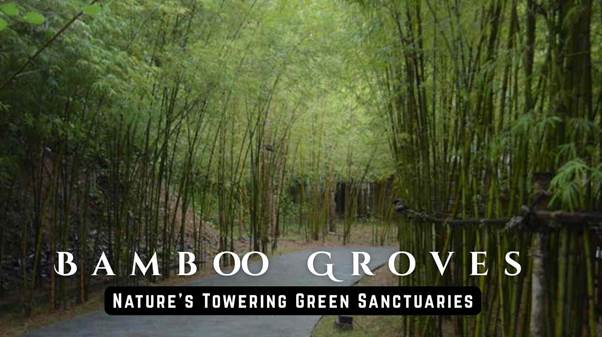
Definition and Background of Bamboo Groves
Bamboo groves are clusters of bamboo plants that grow naturally or through cultivation in large, dense areas. Unlike individual bamboo stems, groves function as interconnected ecosystems. Bamboo belongs to the grass family (Poaceae) and is known for its rapid growth and versatile usage.
Historically, bamboo groves have been revered in Chinese, Japanese, and Indian cultures for their symbolism of strength, flexibility, and purity. Ancient texts and art often depict groves as sacred places of meditation and tranquility. Today, they remain both cultural icons and ecological treasures.
Ecological Importance of Bamboo Groves
Bamboo groves play a vital role in maintaining biodiversity and ecological balance. They provide shelter, food, and breeding grounds for various species. For example:
- Giant pandas in China rely almost entirely on bamboo groves for survival
- Birds, insects, and small mammals thrive within the thick foliage
- Bamboo roots prevent soil erosion by binding the ground tightly
Additionally, bamboo groves contribute significantly to carbon sequestration, absorbing more carbon dioxide than many tree species. This makes them essential allies in combating climate change.
Benefits of Bamboo Groves to Humans
Bamboo groves are not just visually appealing they offer practical benefits to human societies worldwide. Some key contributions include:
- Sustainable materials: Bamboo is used in construction, furniture, paper, and textiles
- Food source: Bamboo shoots are consumed in Asian cuisines as a nutritious delicacy
- Medicine: Traditional remedies often use bamboo extracts for healing purposes
- Tourism: Famous bamboo groves attract millions of visitors seeking natural beauty
Their economic and cultural significance highlights why protecting these green sanctuaries is so crucial.
Challenges Facing Bamboo Groves
Despite their resilience, bamboo groves face several threats:
- Deforestation: Rapid urbanization and logging reduce bamboo habitats
- Climate change: Altered rainfall patterns disrupt bamboo growth cycles
- Overharvesting: Excessive use of bamboo for industries leads to depletion
- Invasive species: Certain bamboo varieties can spread aggressively, affecting native ecosystems
These challenges call for conservation measures, sustainable harvesting, and community involvement to ensure groves remain thriving ecosystems.
Famous Bamboo Groves Around the World
Bamboo groves exist across continents, each with unique beauty and cultural value. Notable examples include:
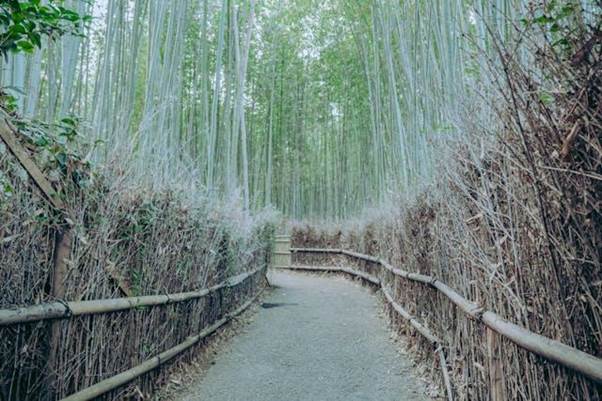
- Arashiyama Bamboo Grove (Japan): A world-renowned tourist destination known for its enchanting walking paths
- Anji Bamboo Forest (China): Home to giant pandas and inspiration for movies like Crouching Tiger, Hidden Dragon
- Maui Bamboo Forest (Hawaii): A tropical wonder blending bamboo with rainforest landscapes
- Western Ghats (India): Groves integrated with sacred traditions and diverse wildlife
These iconic groves showcase how bamboo landscapes can become cultural landmarks as well as ecological hotspots.
Bamboo Groves in Modern Sustainability
In today’s world, bamboo groves symbolize sustainable living. Bamboo grows rapidly some species can shoot up 3 feet in a single day making it one of the fastest renewable resources. Governments and organizations are increasingly promoting bamboo groves as a solution for:
- Replacing plastic with biodegradable bamboo products
- Creating eco-friendly housing materials
- Offering rural communities economic opportunities
By blending tradition with innovation, bamboo groves are shaping a greener and more sustainable future.
Conclusion
Bamboo groves are more than just clusters of tall grasses; they are vital ecosystems supporting biodiversity, cultural traditions, and sustainable industries. From preventing soil erosion to providing food and shelter, their benefits are vast. Yet, these groves face threats that require global awareness and conservation. As humanity seeks balance with nature, bamboo groves stand as powerful reminders of resilience and renewal. Protecting and expanding these green sanctuaries is a step toward preserving life and culture for future generations. Explore, learn, and support bamboo groves to keep their legacy alive.
Q1: Why are bamboo groves important for the environment?
Bamboo groves help fight climate change by absorbing large amounts of carbon dioxide, preventing soil erosion, and providing habitats for countless species.
Q2: What are the human uses of bamboo groves?
People use bamboo from groves for construction, furniture, food (bamboo shoots), medicine, and eco-friendly products, making them valuable for sustainable living.
Q3: Where can you find famous bamboo groves in the world?
Some iconic groves include Arashiyama in Japan, Anji Bamboo Forest in China, Maui in Hawaii, and the Western Ghats in India, each offering cultural and ecological value.