
Solar expansion has become one of the most transformative movements in the global energy landscape. As the world faces the dual challenge of growing energy demand and the urgent need to reduce carbon emissions, solar power has emerged as a reliable, sustainable, and affordable solution.
Table of Contents
In this article, we’ll explore what solar expansion means, its history, benefits, challenges, and the future potential it holds for reshaping global energy systems. Readers will also discover how innovations and investments are driving large-scale adoption of solar technologies worldwide.
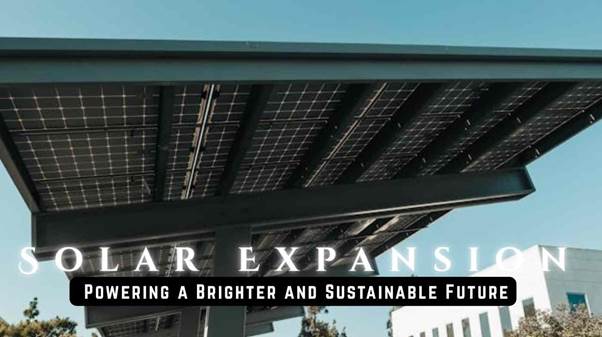
Understanding Solar Expansion and Its Global Growth
Definition and Overview
Solar expansion refers to the rapid growth and integration of solar energy systems into mainstream power production. It includes the development of solar farms, rooftop installations, and advanced solar technologies like photovoltaic cells and concentrated solar power systems. This expansion signifies a crucial shift from fossil fuels toward renewable energy.
According to the International Energy Agency (IEA), solar energy is now the fastest-growing renewable energy source globally. From small communities in Africa using solar panels for electricity to massive solar parks in China and India, the trend is undeniably accelerating.
The Evolution of Solar Expansion
A Brief Historical Perspective
The concept of harnessing sunlight dates back to the 19th century, but solar expansion truly began in the 21st century. The drop in solar panel costs by nearly 90% over the past decade has made solar power accessible to millions of households and businesses.
Key milestones include:
- The first commercial solar panel developed in 1954 by Bell Laboratories
- Germany’s feed-in tariff policy in the early 2000s, which spurred global interest
- Recent innovations in energy storage, enabling consistent power supply from solar energy
This historical evolution highlights how technological innovation and government incentives have fueled the global solar boom.
The Importance of Solar Expansion in Modern Energy Transition
Solar expansion plays a critical role in achieving a sustainable energy future. It offers a renewable alternative that can power homes, industries, and even entire cities with minimal environmental impact.
Key Reasons Why Solar Expansion Matters
- Climate Change Mitigation: Solar energy drastically reduces greenhouse gas emissions compared to fossil fuels.
- Energy Independence: Countries investing in solar reduce reliance on imported oil and gas.
- Economic Growth: The solar industry creates millions of jobs worldwide, from installation to maintenance.
- Affordable Energy Access: Solar power brings electricity to remote and underdeveloped regions, improving quality of life.
By promoting clean, sustainable, and cost-efficient power, solar expansion is essential for combating climate change and achieving global energy equity.
Benefits of Solar Expansion
The global movement toward solar power brings numerous advantages across environmental, economic, and social sectors.
Some of the most notable benefits include:
- Zero emissions: Solar panels generate electricity without releasing harmful gases.
- Scalability: Solar systems can power a single home or an entire city.
- Job creation: Millions of green jobs have been created worldwide in installation, manufacturing, and research.
- Energy stability: With battery storage advancements, solar energy can provide consistent power even during nighttime or cloudy days.
This balance of environmental protection and economic opportunity makes solar expansion a true game-changer.
Challenges in the Path of Solar Expansion
Despite its immense potential, solar expansion faces several obstacles that must be addressed for widespread adoption.
Major Barriers to Overcome
- High Initial Costs: While panel prices have fallen, installation and infrastructure still require investment.
- Storage Limitations: Efficient energy storage systems remain expensive for many regions.
- Land Use Concerns: Large-scale solar farms require significant land, raising environmental and social concerns.
- Weather Dependency: Solar output varies with sunlight availability, affecting energy reliability.
Overcoming these challenges through research, innovation, and supportive policies is vital for maximizing the impact of solar expansion.

Real-World Examples of Solar Expansion Success
Leading Nations in Solar Growth
- China: The global leader, producing over 30% of the world’s solar energy.
- India: Rapidly developing massive solar parks like the Bhadla Solar Park.
- United States: California and Texas are leading the way in renewable power integration.
- Germany: A pioneer in solar policy and technology, inspiring global adoption.
Community-Level Innovations
Many rural areas in Africa and Asia are now powered by off-grid solar systems, providing affordable and clean energy where traditional grids are absent. These examples prove that solar expansion is not just a technological achievement but a social revolution.
The Future of Solar Expansion: A Renewable Revolution
The future of solar expansion looks incredibly promising as new technologies continue to improve efficiency and affordability.
Innovations such as perovskite solar cells, floating solar farms, and solar-powered transportation are redefining how we harness the sun’s power. Global collaboration, policy reforms, and green financing will further accelerate this transition toward a sustainable energy ecosystem.
As solar becomes more integrated with smart grids and AI-driven energy management, the world inches closer to achieving a zero-carbon future.
Conclusion
Solar expansion represents more than just a technological advancement it’s a global commitment to sustainability, innovation, and resilience. By investing in solar power, nations are securing cleaner air, stable economies, and a brighter future for generations ahead.
To truly benefit from solar expansion, continued innovation, supportive government policies, and collective action from individuals and organizations are essential. The sun’s power is infinite; it’s time humanity fully embraces it.
Q1: What is solar expansion and why is it important?
Solar expansion refers to the rapid growth of solar energy systems worldwide. It’s important because it helps reduce carbon emissions, creates clean energy jobs, and promotes sustainable economic growth while fighting climate change.
Q2: What are the main challenges facing solar expansion?
The biggest challenges include high setup costs, limited energy storage, and dependence on weather conditions. However, advancements in technology and global investment are rapidly solving these issues.
Q3: Which countries are leading the world in solar expansion?
China, India, the United States, and Germany are leading in solar expansion through massive solar parks, supportive policies, and large-scale renewable energy investments.