
Glacier retreat is one of the most visible and alarming signs of climate change, revealing the planet’s rising temperatures in slow, icy motion. From the towering peaks of the Himalayas to the frozen landscapes of Antarctica, glaciers that once stood immovable are now receding at unprecedented rates. This phenomenon is not just a distant environmental concern it affects sea levels, freshwater supplies, weather patterns, and human livelihoods across the globe.
Table of Contents
In this article, we’ll explore what glacier retreat means, its causes, history, and consequences, and the urgent actions needed to slow it down. You’ll also discover key examples, scientific insights, and the global importance of these majestic ice bodies. Understanding glacier retreat helps us grasp the scale of environmental change and motivates us to take responsibility for our shared future.
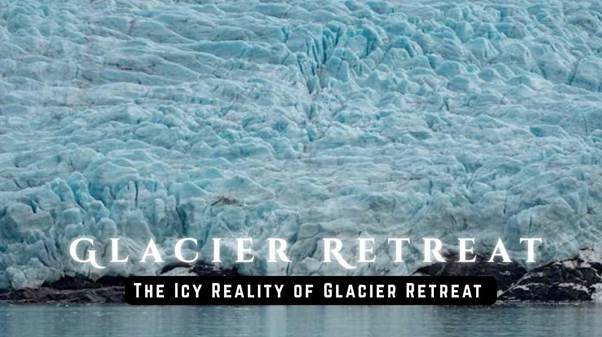
What is Glacier Retreat? Understanding the Melting Phenomenon
Glacier retreat refers to the shrinking or reduction of glacier size over time due to melting and sublimation outpacing snowfall accumulation. In simpler terms, it’s when glaciers lose more ice than they gain each year. Glaciers act like frozen rivers that flow slowly under their own weight, and their balance depends on climate conditions especially temperature and precipitation.
When global temperatures rise, glaciers begin to melt faster than snow can replenish them, leading to visible retreat. Scientists use satellite imagery and field surveys to track these changes, often observing kilometers of ice lost in mere decades.
Related Article: Glacier Retreat: Causes, Consequences, and Global Impact
The Historical Background of Glacier Retreat: How It All Began
The study of glacier retreat dates back to the 19th century when explorers noticed shrinking ice sheets in the Alps and Scandinavia. However, accelerated melting began after the Industrial Revolution due to rising greenhouse gas emissions.
In the 20th century, scientists confirmed a global trend of glacial shrinkage. Data from the World Glacier Monitoring Service shows that since 1980, the rate of ice loss has doubled. Some regions, like the Andes and the Himalayas, are witnessing glaciers receding by more than 20 meters each year.
The correlation between human-induced climate change and glacier retreat became undeniable, marking a turning point in environmental awareness and global climate policy.
Why Glacier Retreat Matters: Global Importance and Impacts
The importance of glaciers extends beyond their beauty they are crucial to life on Earth. Their retreat brings multiple challenges, including:
•Rising sea levels: Melting glaciers contribute significantly to global sea-level rise, threatening coastal cities and islands.
•Water scarcity: Many rivers depend on glacier meltwater. As glaciers shrink, billions face reduced freshwater availability.
•Climate imbalance: Glaciers reflect sunlight; their loss means more heat is absorbed, accelerating warming.
•Ecosystem disruption: Cold-water habitats and alpine species face extinction as temperatures rise.
In essence, glacier retreat isn’t isolated it’s a global chain reaction that influences food security, energy, and weather systems.
Scientific Causes Behind Glacier Retreat: The Human and Natural Factors
While natural climate fluctuations do influence glaciers, human activities have drastically accelerated their retreat. Major causes include:
1.Greenhouse gas emissions: The primary driver, trapping heat and raising global temperatures.
2.Deforestation: Reduces the Earth’s capacity to absorb carbon dioxide.
3.Black carbon deposits: Soot from burning fuels darkens glacier surfaces, increasing heat absorption.
4.Industrialization and urbanization: Cause long-term temperature rise and alter precipitation cycles.
Even volcanic activity and oceanic changes play minor roles, but the overwhelming evidence points toward human influence as the central cause of modern glacier retreat.
Regions Most Affected by Glacier Retreat: Global Hotspots of Change
Glacier retreat is a worldwide crisis, but some areas face more drastic impacts:
•Himalayas: Known as the “Third Pole,” these glaciers provide water to over 1.5 billion people. Their retreat threatens major rivers like the Ganges and Indus.
•Greenland and Antarctica: Home to Earth’s largest ice sheets, their melt contributes most to sea-level rise.
•Andes (South America): Rapid melting threatens agriculture and hydropower.
•Alps and Rockies: Tourism-dependent regions losing scenic ice landscapes at alarming speeds.
Each region’s loss signifies more than ice it represents a fading source of culture, water, and stability for local populations.
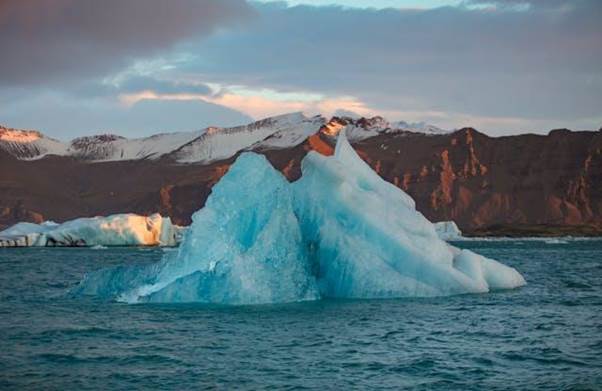
The Consequences of Glacier Retreat: Environmental and Human Costs
The effects of glacier retreat ripple through ecosystems and human life:
•Flood risks: As glaciers melt, glacial lakes can burst, causing catastrophic floods.
•Loss of biodiversity: Alpine plants and cold-dependent animals face extinction.
•Reduced agriculture: Irrigation systems depending on meltwater face shortages.
•Hydropower decline: Countries relying on glacier-fed rivers for electricity may face energy deficits.
•Cultural impact: Indigenous and mountain communities lose ancestral lands and livelihoods.
Glacier retreat serves as both a warning and a mirror reflecting humanity’s environmental footprint.
Combating Glacier Retreat: Actions, Awareness, and Adaptation
The fight against glacier retreat requires global cooperation and individual effort. Effective strategies include:
•Reducing carbon emissions through renewable energy and clean technologies.
•Protecting forests to maintain natural carbon sinks.
•Limiting black carbon by using cleaner fuels and banning open burning.
•Encouraging scientific research to monitor glaciers and predict impacts.
•Promoting awareness campaigns that inspire eco-friendly behavior.
International agreements like the Paris Climate Accord aim to limit global warming and safeguard glaciers for future generations.
Real-World Examples of Glacier Retreat and Recovery Efforts
Some glaciers show hope through local and global initiatives:
•Vatnajökull (Iceland): Protected under strict conservation laws, reducing melt rates.
•Karakoram Range: Certain glaciers here remain stable due to regional climate variations, offering scientists valuable insights.
•Peru’s Cordillera Blanca: Community-led water management programs help adapt to glacier loss.
These examples remind us that while glacier retreat is global, local actions can make a significant difference.
Conclusion
Glacier retreat is more than a scientific term it’s a powerful signal of planetary distress. As glaciers vanish, they reshape coastlines, water systems, and ecosystems that sustain billions. Understanding and addressing glacier retreat is not only a matter of environmental responsibility but of human survival. By supporting sustainable policies, conserving energy, and spreading awareness, we can slow down this icy exodus. The time to act is now because once the glaciers are gone, they may never return.
Q1: What causes glacier retreat?
Glacier retreat occurs when melting and ice loss exceed snowfall accumulation, mainly due to rising global temperatures, greenhouse gas emissions, and black carbon deposits.
Q2: How does glacier retreat affect humans?
It leads to freshwater shortages, sea-level rise, floods, and reduced agricultural productivity, impacting billions who depend on glacier-fed rivers.
Q3: Can glacier retreat be reversed?
While completely reversing it is difficult, slowing glacier retreat is possible through global efforts to reduce carbon emissions, protect forests, and adopt renewable energy.
1 Comment
Add Yours →[…] Related article: The Icy Reality of Glacier Retreat […]