
Eco innovation is transforming the way we live, work, and interact with our environment by merging creativity with sustainability. As global industries face growing environmental challenges, eco innovation offers solutions that promote green growth, cleaner production, and resource efficiency. From renewable energy systems to biodegradable materials and smart city designs, this concept is reshaping modern technology with sustainability at its core.
Table of Contents
In this article, we’ll explore the definition, importance, benefits, challenges, and real-world examples of eco innovation. You’ll also discover how eco-friendly innovations are driving the transition toward a sustainable future and why embracing these technologies is essential for both economic growth and environmental protection.
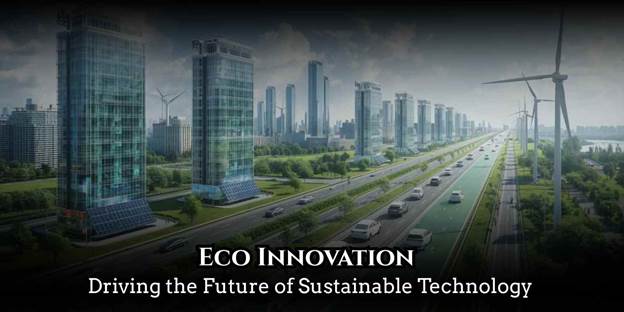
What is Eco Innovation? Understanding the Concept
Eco innovation refers to the development and implementation of new products, services, or processes that reduce environmental impact while creating economic value. It combines the power of technology and innovation with ecological responsibility. Unlike traditional innovation, which focuses mainly on profit and performance,prioritizes sustainability minimizing pollution, conserving natural resources, and promoting a circular economy.
Key Features:
- Focus on energy efficiency and waste reduction
- Use of renewable materials and clean technologies
- Encouragement of sustainable business practices
- Promotion of circular design and recycling systems
In short, eco innovation bridges the gap between economic development and environmental stewardship.
A Brief History
The idea of eco innovation gained momentum during the late 20th century when industries began recognizing the environmental consequences of rapid industrialization. Initially, innovation was seen mainly as a means of boosting productivity, but global environmental crises shifted focus toward sustainability.
- 1970s–1980s: The first wave of eco-conscious movements introduced cleaner production and waste minimization.
- 1990s: Governments started implementing green policies, motivating industries to invest in sustainable technologies.
- 2000s onward: It evolved into a strategic approach for companies aiming to achieve long-term competitiveness through sustainability.
Today, it is central to global agendas such as the United Nations Sustainable Development Goals (SDGs) and the European Green Deal.
Why Eco Innovation Matters in Today’s World
The importance of eco innovation extends beyond environmental benefits it’s about ensuring the survival of future generations. With climate change, pollution, and resource depletion posing serious threats, businesses and governments are turning to eco innovation to balance progress with preservation.
Core Essential Reasons:
- Environmental Protection: Reduces carbon emissions and waste generation.
- Economic Growth: Opens new markets for sustainable products and services.
- Social Responsibility: Builds trust among environmentally conscious consumers.
- Policy Compliance: Helps industries align with global environmental regulations.
By integrating green technology and eco-friendly design, companies can achieve sustainable competitiveness while contributing to a healthier planet.
The Benefits for Businesses and Society
Implementing eco innovation brings measurable benefits that extend to businesses, communities, and ecosystems alike.
Major Advantages Include:
- Cost Savings: Efficient energy use and waste reduction lower operational costs.
- Brand Value: Sustainability-driven companies gain higher consumer loyalty.
- Investment Attraction: Green businesses attract more investors and partnerships.
- Job Creation: Promotes new opportunities in renewable energy, waste management, and clean tech industries.
For consumers, means access to cleaner, smarter, and safer products that contribute to a sustainable lifestyle.
Challenges in Implementing
Despite its vast potential, eco innovation faces several obstacles. These challenges often prevent small and medium-sized enterprises (SMEs) from fully adopting sustainable practices.
Common Challenges:
- High Initial Costs: Sustainable technologies require significant upfront investment.
- Lack of Awareness: Many businesses remain unaware of long-term eco benefits.
- Limited Infrastructure: Developing regions may lack access to green resources.
- Policy Gaps: Weak enforcement of environmental regulations can slow progress.
Overcoming these barriers requires strong public-private collaboration, government incentives, and consumer education to accelerate global adoption.
Related Article: Challenges in Scaling Eco Innovation Globally
Real-World Examples
Across the world, industries are embracing it to build a sustainable future.
Notable Examples Include:
- Tesla’s Electric Vehicles: Reducing fossil fuel dependency and promoting clean energy mobility.
- Patagonia’s Recycled Clothing: Creating high-quality apparel from used materials.
- IKEA’s Circular Design Initiative: Designing furniture for reuse, repair, and recycling.
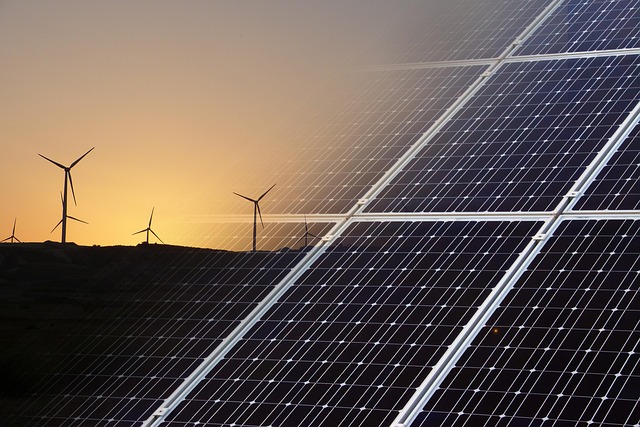
- Solar and Wind Energy Projects: Expanding access to renewable power across continents.
These success stories demonstrate how innovation and environmental consciousness can coexist, driving the future of sustainable technology.
The Future of Eco Innovation: A Green Technological Revolution
Looking ahead, it will continue to play a critical role in shaping sustainable societies. The next era of innovation focuses on digital sustainability leveraging artificial intelligence, the Internet of Things (IoT), and blockchain to manage resources efficiently and reduce waste.
Future eco innovations will likely include:
- Smart grids and energy-efficient infrastructure
- Sustainable agriculture through precision farming
- Advanced recycling and biodegradable materials
- Carbon capture and storage technologies
By merging digital transformation with environmental goals, eco innovation will lead humanity toward a cleaner, smarter, and more sustainable world.
Conclusion
Eco innovation is more than just a technological advancement it’s a movement toward responsible progress. By integrating sustainability into design, production, and consumption, we can ensure a balanced future where innovation serves both people and the planet. As industries and individuals continue to adopt eco-friendly technologies, the world moves closer to achieving long-term environmental stability. Stay informed, embrace sustainability, and be part of the eco innovation journey shaping the future of sustainable technology.
1 Comment
Add Yours →[…] Related Article: Challenges in Implementing Eco Innovation […]