
The Day of Respect for Cultural Diversity reminds us that embracing differences creates stronger, more inclusive communities and workplaces are no exception. In today’s globalized world, offices are melting pots of traditions, languages, and perspectives. Recognizing and celebrating these differences not only enhances collaboration but also drives innovation and empathy among employees.
Table of Contents
This article explores how cultural diversity in the workplace shapes organizational growth, strengthens communication, and fosters mutual respect. We’ll discuss the background and importance of the Day of Respect for Cultural Diversity, its relevance to modern businesses, and real-world examples of inclusive workplaces. By the end, you’ll understand why respecting cultural diversity is not just a moral obligation but a strategic advantage for any forward-thinking organization.
1. Day of Respect for Cultural Diversity: A Global Reminder of Unity
The Day of Respect for Cultural Diversity is observed annually to promote understanding, tolerance, and respect among people of all backgrounds. This global observance encourages individuals and institutions to acknowledge the richness of different cultures and to bridge gaps that divide societies. Historically, this day evolved from events commemorating indigenous heritage and human rights movements, highlighting the shared values that unite humanity.
In a workplace context, it serves as a powerful reminder that employees bring unique cultural experiences, communication styles, and traditions to the table. Recognizing these differences creates a respectful environment where every voice matters and contributes to organizational success.
2. Diversity in the Workplace: What It Really Means
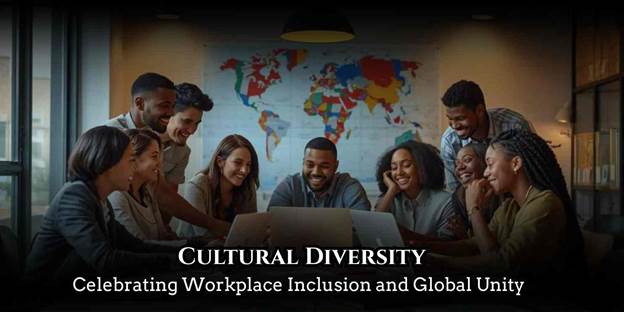
Cultural diversity in the workplace refers to having employees from different ethnicities, nationalities, religions, and social backgrounds working together toward shared goals. It’s more than representation it’s about inclusion, equity, and valuing every perspective.
Companies today actively promote cultural awareness through training, inclusive hiring, and open dialogue. When employees understand and respect each other’s backgrounds, they collaborate better and create innovative solutions that reflect global perspectives. In short, workplace diversity builds stronger teams and fosters unity in difference.
3. Why Cultural Diversity Matters at Work
Celebrating the Day of Respect for Cultural Diversity within organizations emphasizes that respect and inclusivity aren’t just ethical they’re essential for business growth. The benefits of a culturally diverse workplace include:
- Enhanced creativity: Different viewpoints lead to fresh ideas and solutions.
- Improved decision-making: Varied cultural perspectives reduce bias and broaden understanding.
- Better employee engagement: Workers feel valued when their identities are acknowledged.
- Stronger global competitiveness: Diverse teams can connect with a wider customer base and adapt to international markets.
Ultimately, cultural diversity isn’t a challenge it’s an opportunity for success.
4. Building Respect and Inclusion at Work
Respecting diversity in the workplace requires continuous effort and genuine commitment. Employers can take practical steps such as:
- Cultural competence training: Teaching employees to recognize unconscious bias and embrace cultural awareness.
- Inclusive celebrations: Recognizing international holidays and cultural milestones.
- Open communication: Encouraging employees to share experiences and perspectives freely
- Diverse leadership: Ensuring management reflects the organization’s cultural variety.
Creating a culture of inclusion starts from the top and becomes sustainable when every team member participates.
5. Challenges of Cultural Diversity in the Workplace
While diversity offers many rewards, it also brings challenges that organizations must address thoughtfully. Common issues include:
- Miscommunication: Language barriers or cultural nuances can lead to misunderstandings.
- Resistance to change: Some employees may struggle to adapt to new cultural norms.
- Unconscious bias: Preconceived notions may affect teamwork and hiring decisions.
- Unequal opportunities: Lack of inclusive policies can lead to underrepresentation.
To overcome these challenges, companies must implement diversity training, equitable practices, and mentorship programs that foster understanding and cooperation.
6. Real-World Examples of Workplace Cultural Diversity Success
Several global organizations have demonstrated how embracing cultural diversity leads to outstanding results:
- Google: Implements global diversity initiatives that empower employees to share cultural stories and ideas.
- Microsoft: Promotes inclusive innovation by forming multicultural project teams.
- Unilever: Runs leadership programs encouraging cross-cultural collaboration and empathy.
These companies show that celebrating cultural differences not only enhances productivity but also builds a sense of belonging that transcends borders. Their success stories exemplify how respect for diversity drives creativity and innovation across industries.
7. Celebrating the Day of Respect for Cultural Diversity at Work
Organizations can honor this important day by organizing activities that highlight unity in diversity, such as:
- Cultural appreciation events: Showcasing traditional foods, attire, and music from around the world.
- Storytelling sessions: Allowing employees to share personal experiences or heritage stories.
- Workshops on empathy and inclusion: Promoting active listening and understanding.
These initiatives not only educate employees but also strengthen workplace relationships, transforming offices into inclusive spaces of respect and collaboration.

8. The Future of Cultural Diversity in the Workplace
As globalization continues, cultural diversity in the workplace will become even more vital. Future organizations will likely focus on inclusive leadership, AI-driven diversity analytics, and remote global collaboration. The Day of Respect for Cultural Diversity will continue to inspire policies and practices that ensure every employee regardless of culture feels valued.
By embracing multiculturalism and breaking down barriers, businesses will shape a future built on equality, respect, and shared progress.
Conclusion
The Day of Respect for Cultural Diversity teaches us that respect, empathy, and inclusion are the pillars of modern workplaces. By celebrating cultural differences, organizations unlock innovation, improve morale, and strengthen unity. Building an inclusive environment requires awareness, effort, and ongoing dialogue. As we continue to evolve in a globalized economy, embracing diversity isn’t just a social goal it’s a strategic necessity. Let’s celebrate our differences, learn from one another, and create workplaces that honor the true spirit of cultural respect and collaboration.