
Among the most pressing threats to wildlife, climate change and pollution stand out as silent destroyers reshaping the natural world. Rising global temperatures, melting ice caps, and toxic waste are not only altering habitats but also driving countless species toward extinction. These interconnected crises weaken ecosystems that have sustained life for millennia. From coral reefs bleached by warming oceans to birds poisoned by plastic, the consequences of human actions are unfolding at an alarming pace.
Table of Contents
In this article, we will explore how climate change and pollution intensify the threats to wildlife, analyze their root causes, examine global examples, and highlight sustainable solutions. Understanding the link between human behavior and biodiversity loss is key to reversing this hidden yet escalating environmental emergency
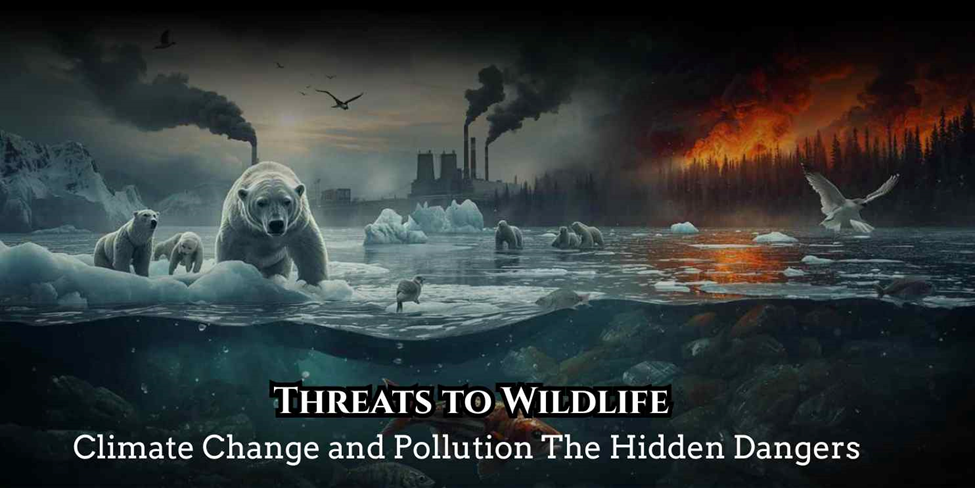
Climate Change and Pollution: The Twin Forces Endangering Biodiversity
1. Threats to Wildlife: Understanding Climate Change and Pollution (Definition & Overview)
Climate change refers to long-term shifts in global temperature and weather patterns, primarily caused by human activities such as burning fossil fuels and deforestation. Pollution, on the other hand, includes harmful substances released into the air, water, and soil that disrupt natural ecosystems. Together, these two factors have become leading threats to wildlife, altering food chains, migration patterns, and breeding cycles.
Rising temperatures push species out of their habitats, while pollutants contaminate the very air and water animals depend on. These hidden forces are reshaping the world’s biodiversity faster than ever before, leaving many species unable to adapt.
Related Article: Threats to Wildlife: Poaching and Illegal Wildlife Trade A Global Crisis
2. Historical Background: How Human Activities Accelerated Environmental Damage
The origins of these threats to wildlife can be traced back to the Industrial Revolution, when mass production and energy consumption first began releasing large amounts of greenhouse gases into the atmosphere. Over the past two centuries, human expansion, deforestation, and unchecked waste disposal have intensified global warming and environmental pollution.
By the mid-20th century, the rise of plastic production and chemical fertilizers introduced new pollutants into ecosystems, affecting soil, water, and wildlife health. The accumulation of these effects has made climate change and pollution inseparable in today’s environmental crisis. These intertwined issues have evolved into the most serious issues ever recorded in human history.
3. How Climate Change Affects Wildlife (Environmental Impact)
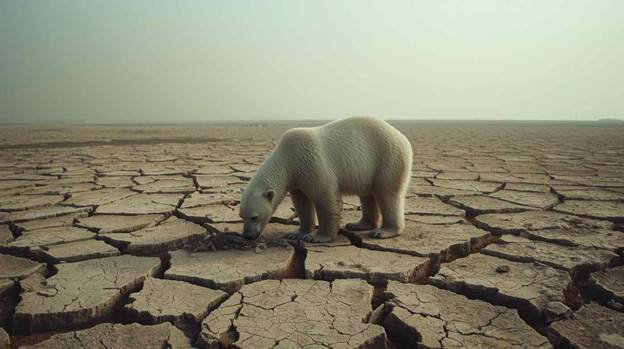
Climate change poses some of the most direct threats to wildlife worldwide. Shifts in temperature and rainfall alter entire ecosystems, forcing species to migrate or perish.
Major impacts include:
• Habitat loss: Melting glaciers, desertification, and rising sea levels destroy natural habitats.
• Disrupted migration: Birds, fish, and mammals struggle to adapt to changing seasons.
• Food scarcity: Changing weather patterns affect plant growth and prey availability.
• Increased disease: Warmer temperatures allow parasites and pathogens to spread.
These cascading effects disrupt delicate ecosystems, proving that climate change is not only a weather issue but one of the gravest threats to wildlife survival.
4. The Role of Pollution in Biodiversity Loss (Toxic Threats)
While climate change alters habitats, pollution poisons them. This dual impact magnifies the threats to wildlife across land, air, and sea.
Common forms of pollution include:
• Air pollution: Emissions from factories and vehicles harm birds and mammals through respiratory diseases.
• Water pollution: Chemical waste and plastic debris destroy aquatic ecosystems.
• Soil pollution: Pesticides and fertilizers reduce biodiversity in farmlands.
For instance, marine animals ingest plastic, mistaking it for food, while heavy metals from industrial waste contaminate river systems. These toxins accumulate in food chains, threatening both wildlife and humans. Pollution thus remains a persistent and deadly driver among global threats to wildlife.
5. Real-World Examples: Species Impacted by Climate and Pollution
The effects of threats to wildlife caused by climate change and pollution can be observed worldwide:
• Polar Bears: Melting Arctic ice reduces hunting grounds, leading to starvation.
• Coral Reefs: Ocean acidification and warming waters bleach corals, erasing marine biodiversity.
• Sea Turtles: Plastic ingestion and rising sand temperatures threaten hatching success.
• Birds and Fish: Microplastics and toxic runoff contaminate their food sources.
• Amphibians: Sensitive to temperature and water quality changes, many frogs and salamanders face extinction.
These examples illustrate that climate and pollution crises do not act separately they reinforce each other, amplifying the threats to wildlife across ecosystems.
6. The Global Importance of Tackling Climate and Pollution
Addressing these threats to wildlife is not only an environmental necessity but also a human obligation. Biodiversity underpins global stability, providing oxygen, food, and medicine. When ecosystems collapse, economies and communities suffer too.
Key reasons to act include:
• Climate balance: Forests and oceans act as natural carbon sinks.
• Economic value: Ecotourism and fisheries depend on healthy ecosystems.
• Human survival: Clean air and water rely on functional wildlife habitats.
Protecting biodiversity means protecting ourselves. Recognizing the interconnectedness of all species helps combat the most critical problems facing the planet.
7. Challenges in Combating Environmental Threats
Despite global awareness, combating climate change and pollution remains difficult. Major challenges include:
• Lack of enforcement: Weak environmental laws allow pollution and emissions to continue.
• Economic interests: Industrial growth often outweighs conservation efforts.
• Public apathy: Many still underestimate how severe threats to wildlife truly are.
• Resource gaps: Developing countries struggle to implement clean energy and waste management systems.
Until these barriers are addressed, the world will continue to face mounting threats to wildlife, making conservation an uphill battle.
8. Global and Local Solutions for Protecting Wildlife
There are effective ways to counteract these threats to wildlife through innovation, collaboration, and awareness.
Prominent solutions include:
• Renewable energy: Reducing carbon emissions through solar and wind power.
• Waste reduction: Banning single-use plastics and promoting recycling.
• Reforestation: Restoring forests to absorb carbon and rebuild habitats.
• Clean water initiatives: Preventing industrial runoff into rivers and oceans.
• Education and advocacy: Empowering communities to participate in conservation.
By embracing sustainable lifestyles and supporting green policies, individuals and nations can reverse the damage caused by climate change and pollution two major problemsglobally.
Conclusion
Climate change and pollution have emerged as the most destructive threats to wildlife, silently unraveling Earth’s biodiversity. From coral reefs to rainforests, no ecosystem is immune. However, collective action, sustainable choices, and global cooperation can still make a difference. Every effort no matter how small matters in restoring the planet’s natural balance. The time to act is now. Learn more, support conservation organizations, and take part in protecting the planet’s fragile ecosystems from these hidden animals.
1 Comment
Add Yours →[…] Related Article: Threats to Wildlife: Climate Change and Pollution The Hidden Dangers to Biodiversity […]