
Understanding Urban Pollution and Its Industrial Roots
Urban pollution refers to the contamination of air, water, and soil within cities due to human activities, with industrialization being a major contributor. As cities expand and industries grow, the concentration of pollutants rises, impacting air quality, public health, and ecosystems. The industrial boom of the 19th and 20th centuries not only accelerated economic progress but also triggered unprecedented environmental challenges.
Table of Contents
This article explores how industrialization contributes to urban pollution, the types of pollutants involved, and sustainable solutions to mitigate its effects.
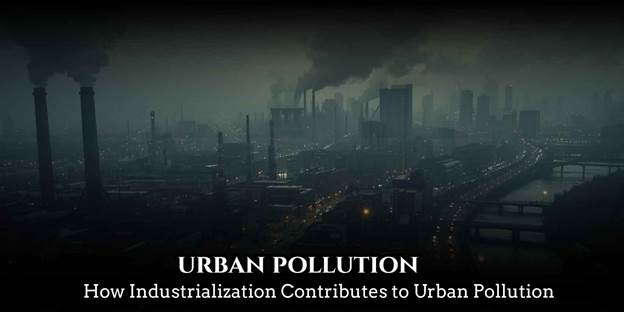
The Industrial Revolution and the Birth of Urban Pollution
The industrial revolution marked a turning point in human history, transforming small towns into industrial hubs. Factories burned coal and released vast amounts of smoke and soot into the air. Over time, these emissions accumulated, creating smog-filled cities and polluted waterways. Urban centers such as London and New York experienced some of the first documented cases of industrial air and water pollution, setting the stage for modern environmental concerns.
Key impacts of industrialization included:
- Increased air pollution from factories and transport
- Toxic discharge into rivers and lakes
- Urban heat island effects caused by dense infrastructure
- Rapid deforestation for industrial expansion
Air Pollution: The Invisible Cost of Industrial Growth
Air pollution is one of the most visible effects of urban industrialization. Factories emit harmful gases such as sulfur dioxide (SO₂), nitrogen oxides (NOx), and particulate matter (PM2.5 and PM10). These pollutants contribute to respiratory diseases, smog formation, and acid rain, degrading both environmental and human health.
Common industrial sources of air pollution include:
- Power plants burning fossil fuels
- Manufacturing industries releasing toxic fumes
- Vehicle emissions from industrial transportation
- Waste incineration and chemical processing plants
Studies reveal that industrial cities like Delhi, Beijing, and Los Angeles face critical air quality issues directly linked to manufacturing and energy production.
Water Pollution: Industrial Waste and Urban Rivers
Urban water bodies often serve as dumping grounds for untreated industrial waste. Chemicals, heavy metals, and oil residues from factories enter city waterways, making them unsafe for human consumption and aquatic life.
For instance:
- Textile industries release dye and microplastic fibers into rivers
- Chemical plants leak mercury, arsenic, and lead into water sources
- Oil refineries cause surface water contamination and groundwater pollution
These pollutants disrupt marine ecosystems, affect agriculture, and increase waterborne diseases.
Soil Contamination: The Overlooked Aspect of Urban Pollution
Industrialization also impacts soil quality. Factories release solid waste and chemical residues that infiltrate the ground, reducing soil fertility and posing risks to urban farming. Heavy metals like cadmium and lead persist in soil for decades, accumulating in food crops and entering the human food chain.
Consequences of soil pollution include:
- Loss of arable land in urban areas
- Food contamination and crop toxicity
- Reduced biodiversity in green belts
Cities with dense industrial activity often struggle to reclaim contaminated land, leading to urban decay in affected neighborhoods.
The Role of Technology in Monitoring and Reducing Urban Pollution
While industrialization created the pollution crisis, modern technology offers solutions to counter it. Smart sensors and digital mapping now monitor air and water quality in real time, allowing policymakers to take prompt action. Industries are adopting green technologies such as renewable energy, cleaner production systems, and waste recycling programs.
Innovative eco-technologies include:
- Carbon capture and storage (CCS) systems
- AI-driven air quality monitoring
- Industrial wastewater treatment plants
- Renewable energy integration in manufacturing
Such innovations reflect the growing trend of eco-innovation, combining industrial productivity with environmental protection.
Health and Societal Impacts of Industrial Urban Pollution
Urban pollution affects millions of lives daily. Chronic exposure to polluted air and water causes respiratory illnesses, cardiovascular diseases, and even neurological disorders. According to the World Health Organization (WHO), 99% of the global population breathes air that exceeds safe pollution levels.
Societal effects include:
- Decreased productivity due to health issues
- Increased healthcare costs in urban areas
- Lower life expectancy in industrial zones
Addressing these impacts requires strict policy enforcement and sustainable urban planning.

Policy Measures and Sustainable Industrial Practices
Governments play a crucial role in regulating industrial emissions and promoting sustainable practices. Policies like the Clean Air Act (US) and the European Green Deal set benchmarks for emission control and waste reduction.
Effective strategies include:
- Implementing emission standards for factories
- Promoting renewable energy and clean transportation
- Encouraging corporate sustainability reporting
- Enforcing industrial waste management laws
Public awareness and community involvement are also essential for achieving long-term pollution control.
Conclusion
Urban pollution remains one of the most pressing challenges of modern industrial society. Industrialization has undoubtedly improved living standards, but its environmental costs cannot be ignored. Sustainable industrial growth, supported by eco-friendly technologies and strong environmental policies, is the path forward. To build healthier cities and cleaner air, governments, industries, and individuals must collaborate in reducing the environmental footprint of industrialization.
1. What is urban pollution?
Urban pollution refers to the contamination of air, water, and soil in cities due to industrial and human activities.
2. How does industrialization cause air pollution?
Industries emit gases like sulfur dioxide and nitrogen oxides that form smog and acid rain, harming both people and the environment.
3. Can technology reduce urban pollution?
Yes, technologies such as renewable energy, carbon capture, and smart pollution monitoring systems significantly reduce emissions.