
Understanding the Science Behind Mudslides
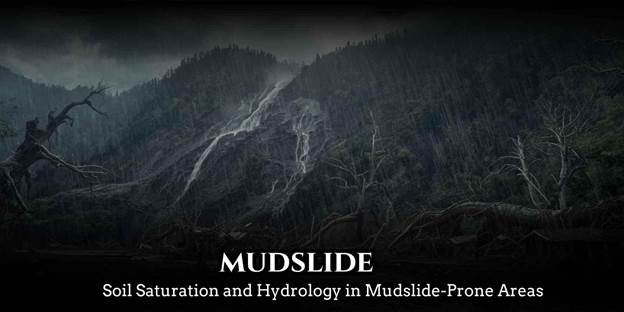
A mudslide occurs when saturated soil rapidly moves down a slope due to gravity, often following intense rainfall or melting snow. These destructive natural disasters are strongly linked to soil saturation, hydrology, and the geological makeup of the land. In mudslide-prone areas, understanding how water interacts with soil is key to predicting, preventing, and mitigating damage.
Table of Contents
This article explores how soil saturation, water flow, and landscape features contribute to mudslides and what can be done to reduce their devastating impacts.
The Basics of Mudslides and Soil Saturation
Soil saturation refers to the point at which soil pores are completely filled with water, leaving no space for air. When this happens, the soil loses cohesion and stability, increasing the risk of a mudslide.
Key factors that lead to soil saturation include:
•Prolonged or heavy rainfall
•Poor soil drainage
•Rapid snowmelt
•Blocked natural drainage paths
As the ground becomes oversaturated, it cannot hold its structure, and gravity pulls the loose material downhill. In regions with steep terrain, such as mountainous or hilly zones, this phenomenon becomes even more dangerous.
Hydrology and Its Role in Mudslide Formation
Hydrology, the study of water movement through the environment, plays a crucial role in the occurrence of mudslides. When precipitation exceeds the soil’s infiltration capacity, runoff increases, saturating the ground and destabilizing slopes.
Hydrological processes that influence mudslide formation include:
•Infiltration rate:Infiltration rate refers to how quickly water seeps or absorbs into the soil.
•Groundwater flow: Subsurface water movement can weaken soil structure over time.
•Water table fluctuations: A rising water table can saturate soil layers, causing slippage along weak zones.
In essence, the balance between water infiltration and drainage determines how stable a slope remains under wet conditions.
Geological and Environmental Factors in Mudslide-Prone Areas
Certain geological and environmental conditions make some regions more susceptible to mudslides. Understanding these characteristics helps in identifying high-risk zones and implementing preventive measures.
Common contributing factors include:
•Steep slopes with unstable soil composition
•Deforestation or loss of vegetation cover
•Unplanned urban expansion
•Soils rich in clay, which retain water for long periods
•Areas with a history of erosion or prior mudslide activity
These conditions amplify the effects of soil saturation and hydrological stress, turning a heavy rainfall event into a catastrophic mudslide.
Human Activities and Increased Mudslide Risk
While natural processes drive most mudslides, human actions often worsen the situation. Deforestation, construction on slopes, and poor land management disturb the delicate balance between soil stability and water movement.
Examples of human-induced triggers include:
•Clearing vegetation that anchors the soil
•Building roads and homes without proper drainage systems
•Mining and quarrying activities that destabilize slopes
•Improper waste disposal that blocks natural waterways
Such actions not only alter the natural hydrological flow but also increase the chances of soil saturation during storms or floods.
Real-World Examples of Mudslide Disasters
Several notable mudslides around the world highlight the deadly connection between hydrology and soil saturation.
1. Vargas Tragedy (Venezuela, 1999): Heavy rainfall led to massive mudslides, destroying thousands of homes and claiming over 30,000 lives.
2. Oso Mudslide (Washington, USA, 2014): Triggered by rainfall on already saturated slopes, it killed 43 people and covered nearly a square mile.
3. Kerala Landslides (India, 2020): Intense monsoon rains caused severe mudslides in deforested hill regions, highlighting the role of poor land management.
These examples show that regions with heavy rainfall, poor drainage, and human disturbance face the highest mudslide risk.
Prevention and Mitigation Strategies in Mudslide-Prone Areas
Reducing the impact of mudslides involves a mix of engineering, ecological, and policy-based solutions.
Effective strategies include:
•Afforestation: Planting trees to stabilize soil and reduce runoff.
•Drainage systems: Installing proper stormwater channels to prevent soil saturation.
•Terracing and slope grading: Reshaping slopes to reduce the angle of descent.
•Soil monitoring technologies: Using sensors to track moisture levels and predict potential slides.
•Zoning laws: Restricting construction in high-risk areas.
When combined, these measures strengthen slope stability and improve community resilience against future disasters.
The Role of Technology in Predicting Mudslides
Technological advances have improved the ability to detect early warning signs of mudslides. Remote sensing, satellite imagery, and AI-driven hydrological models help scientists predict where and when a mudslide might occur.
Modern prediction tools include:
•Ground sensors that measure soil moisture and pressure changes
•Drones that map slope movements and erosion patterns
•Machine learning models that analyze rainfall and saturation data
These innovations have already saved lives by allowing timely evacuations and disaster response.

Challenges in Managing Mudslide Hazards
Despite progress, managing mudslides remains a global challenge. Limited funding, lack of awareness, and climate change continue to increase the frequency of such events.
Ongoing issues include:
•Rapid urbanization on unstable land
•Inadequate disaster preparedness
•Inconsistent soil monitoring systems
•Extreme weather linked to global warming
Addressing these challenges requires international cooperation, stronger policies, and public education on sustainable land use.
Conclusion
Mudslides are complex natural disasters deeply tied to soil saturation and hydrology. When water overwhelms the ground’s capacity to absorb it, even stable slopes can become deadly. Understanding how human activity, rainfall, and geology interact is essential for reducing risk. Through better land management, advanced technology, and environmental awareness, communities can build resilience against future mudslide threats. Staying informed and supporting sustainable practices remain key to protecting both people and ecosystems from this silent but powerful force of nature.