
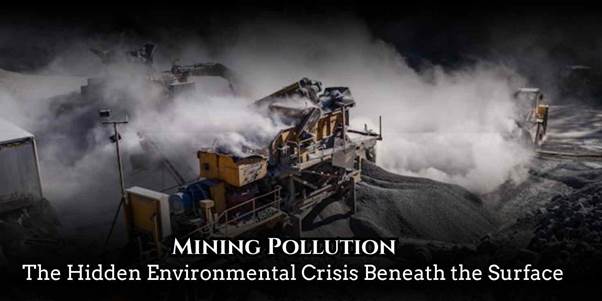
Deep beneath the surface of progress lies a growing environmental concern known as mining pollution. As global demand for minerals, metals, and resources increases, so does the toll on ecosystems and human health. Mining pollution is not limited to air pollution from mining or water contamination; it extends to soil degradation, deforestation, and the release of toxic chemicals that persist for decades. This article explores what mining pollution is, how it occurs, and its far-reaching consequences for our planet. We’ll also examine modern pollution control in mining and responsible mining practices that can help restore balance between economic growth and environmental sustainability.
Understanding Mining Pollution and Its Root Causes
What Is Mining Pollution?
Mining pollution refers to the release of harmful substances and residues generated by industrial mining processes. It includes toxic runoff, acid mine drainage, metal leaching, and heavy metal pollution. These contaminants seep into the environment, leading to environmental degradation and ecological damage. Over time, mining waste transforms once-productive landscapes into barren, toxic zones that threaten biodiversity and human well-being.
The Main Sources of Contamination
Mining sites release pollutants through several channels:
- Water pollution from mining due to acid mine drainage and toxic runoff.
- Air pollution from mining through dust particles and combustion gases.
- Soil contamination caused by mine tailings and chemical residues.
- Industrial contamination from hazardous waste and toxic sludge from mines.
These combined pollutants spread widely, causing irreversible land degradation and groundwater contamination if left unmanaged.
The Environmental Impact of Mining Pollution
Water Pollution and Toxic Runoff
One of the most severe effects of mining pollution is water contamination. Toxic runoff from mines carries heavy metals such as mercury, lead, and arsenic into rivers, lakes, and aquifers. Acid mine drainage, produced when sulfide minerals react with air and water, lowers pH levels and kills aquatic life. Communities downstream suffer from contamination of rivers and lakes, affecting drinking water, agriculture, and fisheries.
Air and Soil Contamination from Mining
Air pollution from mining occurs when mining dust particles and toxic gases escape into the atmosphere. These pollutants reduce air quality and contribute to respiratory diseases. Similarly, soil contamination disrupts microbial life, reducing fertility and preventing vegetation from regrowing an early sign of environmental degradation and deforestation due to mining.
Ecological and Biodiversity Damage
Mining sites are often located near forests, rivers, or wildlife habitats. The removal of vegetation, combined with pollution, results in biodiversity loss. Toxic residues destroy food chains, while chemical contamination poisons plants and animals. Over time, these effects cascade, leading to widespread ecological damage and habitat destruction.
Mining Waste and Hazardous Residues
Mine Tailings and Toxic Sludge
Mine tailings the leftover material after mineral extraction are among the most dangerous sources of mining pollution. Improper tailings disposal leads to toxic sludge leaks, contaminating nearby ecosystems. These tailings often contain arsenic, cadmium, and cyanide, making them highly poisonous. When storage dams fail, they cause massive industrial contamination and soil erosion, spreading pollution across vast areas.
-Erosion and Land Degradation from Mining Sites
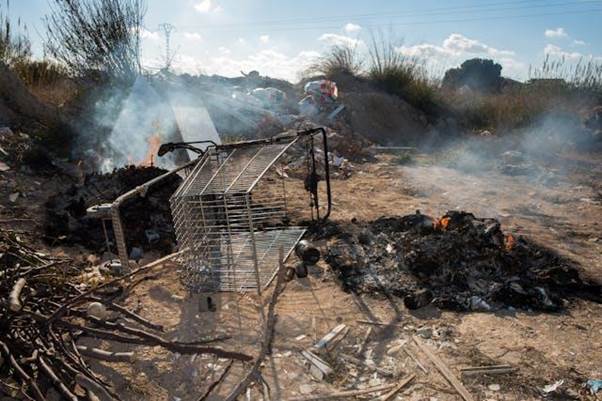
Open-pit and strip mining remove topsoil and vegetation, exposing the land to erosion from mining sites. Over time, this creates land degradation, loss of arable soil, and desert-like landscapes. Once eroded, these lands are difficult to restore without advanced environmental remediation techniques.
Mining and Sustainability: Challenges and Opportunities
Balancing Resource Extraction with Environmental Protection
While mining remains vital for economic growth, its sustainability depends on managing pollution from extraction responsibly. Mining industry impact can be reduced by adopting cleaner extraction methods, recycling metals, and enforcing mining regulations that limit toxic emissions. The integration of environmental mining practices ensures that natural resources are used efficiently without compromising ecosystems.
Pollution Control and Remediation Techniques
To combat mining pollution, industries are increasingly using modern pollution control methods such as:
- Water treatment systems to remove acid mine drainage and toxic runoff.
- Dust suppression technology to minimize airborne particles.
- Tailings recycling and stabilization to prevent groundwater contamination.
- Phytoremediation, using plants to absorb and neutralize toxic chemicals.
- Reforestation projects in deforested mining areas to restore biodiversity.
These strategies help ensure sustainable mining operations that align with global environmental goals.
Regulations and Responsible Mining Practices
Government and Environmental Oversight
Effective control of mining pollution relies on strict mining regulations and enforcement. Environmental agencies set limits on industrial discharge, require hazardous waste management, and mandate mining site rehabilitation after extraction. Regular inspections, pollution monitoring, and penalties for violations help ensure compliance and transparency.
Responsible Mining and Community Involvement
Responsible mining practices go beyond technical solutions they involve local communities. By promoting sustainable employment, health programs, and education, companies can offset their environmental footprint. Encouraging collaboration between governments, industries, and communities ensures a more balanced approach to mining and sustainability.
The Future of Mining Pollution Control
Innovative Technologies for Cleaner Mining
Advancements in mining waste treatment and environmental remediation are changing the landscape of the industry. Techniques like bioremediation, zero-waste extraction, and closed-loop water recycling reduce contamination risks. Using AI-based monitoring systems and satellite tracking also helps detect early signs of pollution leaks, ensuring swift response to minimize ecological damage.
A Global Call for Sustainable Mining
Global organizations now demand a shift toward green mining initiatives. The future lies in balancing technological progress with environmental preservation where mining pollution is minimized through innovation, regulation, and global cooperation.
Conclusion
Mining pollution represents a silent yet severe threat to Earth’s ecosystems. From toxic runoff and heavy metal pollution to deforestation and water contamination, the damage runs deep. However, with stronger pollution control in mining, stricter regulations, and the widespread adoption of responsible mining practices, recovery is possible. Sustainable extraction is not a dream it’s a necessity to protect our planet’s future. Let’s act now to turn the scars of mining into symbols of renewal and responsibility.