
Beneath the surface of modern civilization lies a dangerous byproduct toxic sludge. This thick, contaminated substance forms from industrial waste, sewage sludge, and hazardous materials released during wastewater treatment and industrial discharge. Rich in toxic chemicals and heavy metals, it poses a severe threat to both ecosystems and human health. From polluting rivers and lakes to contaminating soil and groundwater, toxic sludge is an alarming example of how industrial progress can create unseen dangers.
Table of Contents
This article explores what toxic sludge is, how it forms, its environmental impact, and the solutions needed to manage it safely.
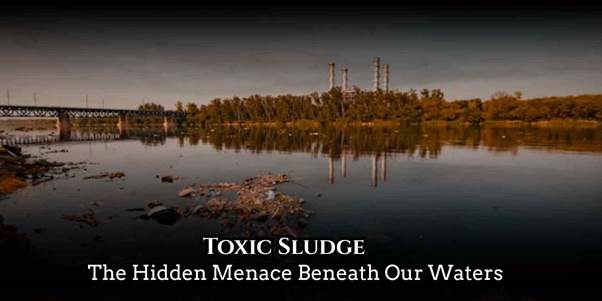
What Is Toxic Sludge?
Definition and Formation
Toxic sludge refers to the hazardous waste left behind after industrial processes and wastewater treatment. It contains a dangerous mix of chemical pollutants, heavy metals, pathogens, and industrial effluents. When factories release untreated industrial discharge or when waste treatment plants fail to remove contaminants effectively, this sludge contamination accumulates in land and water bodies.
Major Sources of Toxic Sludge (Industrial and Municipal Origins)
- Industrial waste from manufacturing, metal refining, and chemical production.
- Sewage sludge from municipal wastewater treatment plants.
- Chemical runoff from pollution of rivers and lakes caused by toxic wastewater.
These sources contribute to environmental contamination and soil degradation, spreading the effects of chemical pollution far and wide.
The Composition and Dangers of Toxic Sludge
Toxic Components and Their Effects
Toxic sludge contains harmful elements such as lead, mercury, cadmium, and arsenic collectively known as heavy metals in sludge. These elements do not decompose easily, resulting in long-term soil contamination and groundwater pollution. The toxic residue can enter the food chain through crops and drinking water, creating severe health hazards for humans and animals alike.
Ecological Damage and Environmental Degradation
The environmental hazard of toxic sludge extends beyond contamination. It disrupts aquatic ecosystems, killing fish and aquatic plants, and causes ecological damage through oxygen depletion in water. Over time, the biohazard waste also leads to environmental degradation, transforming fertile land into barren ground.
Industrial Accidents and Toxic Sludge Disasters
Historical Examples of Chemical Pollution Events
Throughout history, several industrial accidents have released massive amounts of chemical sludge into the environment.
- The Kingston Fossil Plant spill (USA, 2008) released over a billion gallons of toxic sludge into rivers, causing widespread environmental contamination.
- In Europe, numerous industrial effluents have resulted in long-term pollution control challenges and soil contamination.
Such events highlight the catastrophic potential of toxic leaks when waste byproducts are mishandled.
Long-Term Impact on Environment and Society
Even years after such toxic spills, toxic residue remains embedded in the ecosystem. Local communities face health problems, economic losses, and agricultural damage due to groundwater pollution and loss of soil fertility.
How Toxic Sludge Affects Human Health
Direct and Indirect Exposure Risks
Humans are exposed to toxic sludge through direct contact, contaminated drinking water, and consumption of affected crops. Long-term exposure can cause:
- Respiratory diseases and organ damage
- Neurological disorders from heavy metal pollution
- Cancer and reproductive issues due to toxic chemicals
Pesticide and Industrial Chemical Links
The rise in chemical runoff and toxic wastewater due to unregulated industrial expansion has increased pesticide and chemical exposure. This link shows the close relationship between industrial discharge and public health risks.

Managing and Controlling Toxic Sludge
Waste Treatment and Sludge Management Methods
Effective sludge management involves multiple steps designed to reduce sludge toxicity and ensure safe disposal.
- Dewatering and drying reduce volume and make sludge disposal methods more efficient.
- Thermal treatment and incineration destroy pathogens and volatile chemicals.
- Chemical stabilization neutralizes hazardous substances, lowering environmental hazard potential.
Pollution Control and Remediation Strategies
- Bioremediation uses microbes to break down toxic waste into safer compounds.
- Soil washing and phytoremediation help remove toxic residue and restore contaminated sites.
- Waste remediation and contamination control technologies prevent the spread of pollutants into nearby ecosystems.
Environmental Safety and Regulatory Measures
Toxic Waste Management and Government Regulations
Strict environmental safety regulations govern the handling, transport, and toxic waste disposal of industrial sludge. Agencies like the EPA (Environmental Protection Agency) monitor hazardous materials to ensure compliance.
- Mandatory pollution control systems must be installed in waste treatment plants.
- Regular inspections reduce the chance of toxic leaks or industrial accidents.
- Public awareness campaigns promote safe toxic waste management practices.
Corporate Responsibility and Sustainable Solutions
Industries can play a major role by:
- Adopting cleaner production methods.
- Investing in toxic waste cleanup projects.
- Committing to sustainable waste management practices.
Such measures not only reduce chemical pollution but also enhance environmental safety and community trust.
Conclusion
Toxic sludge stands as a reminder of the hidden costs of industrial progress. Its deadly mix of hazardous waste, chemical pollutants, and heavy metals continues to threaten life on Earth. To ensure a cleaner future, it is vital to strengthen pollution control, adopt sustainable sludge management methods, and enforce environmental safety regulations. Awareness and responsibility at every level industrial, governmental, and personal can help turn this toxic threat into an opportunity for cleaner and safer living. Let’s take action today to secure a sustainable tomorrow.