
Wildlife corridors are vital for maintaining ecological balance and protecting biodiversity in a rapidly urbanizing world. A wildlife corridor is a natural passage that connects fragmented habitats, allowing animals to safely migrate, find food, reproduce, and adapt to environmental changes. These corridors act as lifelines for species survival, ensuring that ecosystems remain functional and resilient despite human development. From mountain ranges to river valleys, wildlife corridors exist in various forms across the globe.
Table of Contents
This article explores the concept of wildlife corridors, their history, importance, benefits, and challenges. It also examines real-world examples that showcase their role in preserving nature and preventing species extinction. Ultimately, understanding wildlife corridors helps us realize how connected every living organism is and why their protection is crucial for a sustainable future.
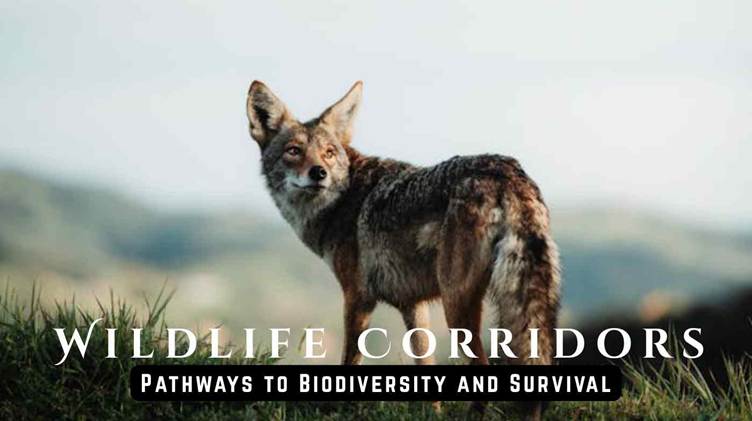
Understanding Wildlife Corridors: Meaning and Purpose
Wildlife corridors are designated routes or habitats that connect isolated patches of land, allowing animals to move freely between them. These connections help prevent genetic isolation and reduce the risks of inbreeding in wildlife populations.
There are two main types of wildlife corridors:
• Continuous corridors: Large, uninterrupted stretches of habitat such as forest belts or riverbanks.
• Stepping-stone corridors: Smaller, disconnected habitats like ponds, grasslands, or groves that animals use as intermediate stops during migration.
These wildlife corridors are essential for maintaining ecological balance, as they support species movement, seasonal migration, and overall ecosystem stability.
Historical Perspective: How Wildlife Corridors Evolved
The idea of wildlife corridors emerged in the 20th century as conservationists recognized the impact of human expansion on animal habitats. The concept gained global attention in the 1980s when fragmentation caused by roads, agriculture, and cities began threatening species survival.
Early initiatives such as the Yellowstone to Yukon Conservation Initiative (Y2Y) in North America and the European Green Belt were among the first major corridor projects. These examples inspired countries worldwide to create interconnected landscapes for wildlife corridors and migration.
The Ecological Importance of Wildlife Corridors
Wildlife corridors play a significant role in sustaining biodiversity and supporting healthy ecosystems. They ensure the long-term survival of species by allowing natural movements and interactions.
Key ecological benefits include:
• Reducing human-wildlife conflict by guiding animals away from populated areas.
• Preventing genetic bottlenecks by promoting gene flow between isolated populations.
• Assisting species adaptation to climate change by enabling migration to suitable habitats.
• Supporting pollination and seed dispersal across regions.
When wildlife corridors are preserved, they enhance forest health, protect water sources, and balance predator-prey relationships ensuring nature remains resilient.
Benefits of Wildlife Corridors for Humans and Nature
Wildlife corridors do more than protect animals they indirectly benefit human life and the environment.
Major benefits include:
- Climate Regulation: Forested wildlife corridors absorb carbon dioxide and help mitigate global warming.
- Ecosystem Services: Corridors maintain soil fertility, water purification, and flood control.
- Tourism Opportunities: Many wildlife corridors attract eco-tourists, generating income for local communities.
- Scientific Research: Wildlife corridors provide opportunities to study species behavior and migration patterns.
These ecological and economic benefits demonstrate that protecting wildlife corridors is not only an environmental responsibility but also a social and economic investment.
Challenges Facing Wildlife Corridors
Despite their significance, wildlife corridors face numerous challenges due to human-induced pressures.
Common challenges include:
• Urbanization: Expanding cities and highways fragment natural habitats.
• Deforestation: Large-scale clearing of forests disrupts migration paths.
• Climate Change: Rising temperatures shift animal habitats and reduce corridor viability.
• Poaching and Land Encroachment: Illegal activities threaten the safety of migrating species.
Without urgent conservation actions, these issues could severely reduce the effectiveness of wildlife corridors, leading to population declines and loss of biodiversity.
Real-World Examples of Successful Wildlife Corridors
Several countries have implemented wildlife corridors successfully, proving their effectiveness in biodiversity conservation.
1. The Yellowstone to Yukon Corridor (North America)
This corridor spans across the U.S. and Canada, connecting protected areas to allow species like bears, wolves, and elk to roam freely.
2. The Terai Arc Landscape (India and Nepal)
A transboundary initiative linking forests across the Himalayan foothills, ensuring tiger and elephant populations remain connected.
3. European Green Belt
Running from Norway to Greece, this corridor preserves habitats along the former Iron Curtain, promoting ecological connectivity across Europe.
4. Banff Wildlife Crossings (Canada)
A system of overpasses and underpasses built along highways that drastically reduced animal-vehicle collisions while maintaining safe migration routes.
These success stories demonstrate that with strategic planning and community support, wildlife corridors can create coexistence between humans and nature.
Promoting Wildlife Corridors Through Policy and Technology
Governments, NGOs, and scientists are increasingly using technology and data-driven strategies to strengthen wildlife corridors. Tools like GIS mapping, satellite monitoring, and AI-based wildlife tracking help identify migration routes and evaluate corridor effectiveness.
Policies promoting land-use planning, reforestation, and protected area networks are vital. Involving local communities through eco-friendly practices and awareness programs also plays a critical role in long-term success.
Collaborative conservation ensures that wildlife corridors are maintained for future generations, creating a balanced relationship between human progress and natural preservation.
Conclusion
Wildlife corridors are essential components of ecological sustainability, providing safe pathways for animals to thrive despite human development. They preserve biodiversity, prevent genetic isolation, and maintain ecosystem health. Protecting and expanding these wildlife corridors is crucial for ensuring a harmonious coexistence between humans and wildlife. As climate change and urbanization continue to challenge natural systems, strengthening wildlife corridors becomes a global priority. By supporting conservation initiatives, planting native trees, and promoting awareness, we can all contribute to securing the future of these vital ecological bridges.
1: What are wildlife corridors and why are they important?
Wildlife corridors are natural or man-made pathways that connect fragmented habitats. They help animals migrate safely, find food, and reproduce, preventing genetic isolation and extinction risks.
2: How do wildlife corridors benefit humans?
Wildlife corridors not only support biodiversity but also aid in climate regulation, water purification, and eco-tourism. They maintain ecosystem balance, which directly benefits human health and livelihoods.
3: What are some examples of successful wildlife corridors around the world?
Notable examples include the Yellowstone to Yukon Corridor in North America, the Terai Arc Landscape in South Asia, and the European Green Belt. These wildlife corridors have proven vital for species survival and ecosystem connectivity.