
Black mangroves are silent guardians of our coasts, playing a critical role in coastal protection and the preservation of shoreline ecosystems. Found in tropical and subtropical regions, these remarkable trees thrive in salty, muddy waters where few plants can survive. With their specialized roots and natural resilience, black mangroves act as powerful barriers against erosion, storms, and flooding, creating safe havens for wildlife while stabilizing fragile coastlines.
This article explores how black mangroves contribute to coastal protection, their ecological importance, the benefits they bring to biodiversity and local communities, and the challenges they face in a changing climate. Through real-world examples and scientific insights, we’ll understand why these trees are not just natural wonders but essential allies in protecting our planet’s coastal future.
1. Black Mangroves: Nature’s Fortress for Coastal Protection
What Are Black Mangroves?
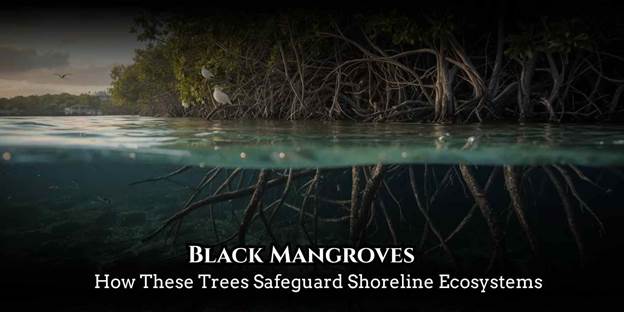
Black mangroves (Avicennia germinans) are coastal trees that grow in intertidal zones, typically found behind red mangroves in slightly higher elevations. They are easily recognized by their pencil-like roots, called pneumatophores, that rise above the water’s surface to breathe oxygen in waterlogged soil.
Related Article: The Silent Guardians of Nature: Ancient Trees
Ecological Background
Originating in tropical regions of the Americas, black mangroves form part of the larger mangrove forest ecosystem, which includes red, white, and buttonwood mangroves. These trees thrive in brackish waters, tolerating both saline and freshwater influences. Over centuries, they’ve adapted to survive fluctuating tides and extreme coastal conditions traits that make them invaluable for shoreline stability.
2. The Ecological Importance of Black Mangroves in Shoreline Ecosystems
Black mangroves support an incredible array of life. Their dense root systems create a complex habitat for fish, crustaceans, mollusks, and birds. These roots trap sediments, preventing them from being washed away, while also filtering pollutants from the water.
Key ecological contributions:
• Serve as nurseries for juvenile fish and shrimp
• Reduce shoreline erosion through root stabilization
• Absorb carbon dioxide, acting as carbon sinks
• Improve water quality by filtering sediments
By maintaining balance in shoreline ecosystems, black mangroves directly enhance marine biodiversity and help sustain fisheries and local livelihoods.
3. How Black Mangroves Protect Coastal Communities
A Natural Shield Against Storms and Flooding
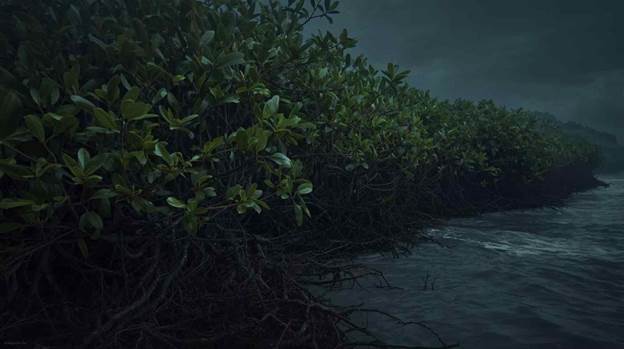
The thick root network of black mangroves acts like a living wall that absorbs the energy of waves and storm surges. During hurricanes or typhoons, these trees significantly reduce water velocity, protecting inland areas from devastating floods and erosion.
Sustainable Economic Value
Local communities benefit economically from black mangroves through eco-tourism, sustainable fishing, and honey production. Healthy mangrove forests also help secure livelihoods by protecting farmlands and coastal infrastructure.
Benefits at a glance:
• Prevent coastal erosion and property loss
• Support fisheries and tourism industries
• Store “blue carbon” for climate mitigation
4. The Unique Adaptations of Black Mangroves
Black mangroves have evolved unique features to survive in harsh environments:
• Pneumatophores: Upright roots that allow gas exchange even when submerged.
• Salt secretion: Leaves excrete salt crystals, enabling survival in saline water.
• Vivipary: Seeds germinate while still attached to the parent tree, ensuring better survival rates.
These adaptations make black mangroves some of the most resilient species in the mangrove forest family, capable of withstanding rising tides, saline winds, and low-oxygen soils.
5. Global Examples of Black Mangroves in Coastal Protection
Florida and the Gulf of Mexico
In the United States, black mangroves line the shores of Florida, Texas, and Louisiana. They act as vital buffers against hurricanes, significantly reducing storm damage to coastal towns and ecosystems.
Caribbean and South America
Countries like Belize and Venezuela rely on black mangroves for coastal protection and as biodiversity hotspots that sustain coral reefs and seagrass beds.
Asia and the Pacific
Though less common, black mangroves are expanding in regions like Southeast Asia due to rising sea levels. Restoration projects in the Philippines and Indonesia highlight their value in reducing coastal vulnerability.
6. Challenges Facing Black Mangroves
Despite their resilience, black mangroves face multiple threats:
• Climate change: Rising sea levels and temperature shifts affect their growth zones.
• Deforestation: Coastal development and aquaculture destroy vital habitats.
• Pollution: Oil spills, plastic waste, and agricultural runoff degrade water quality.
Conservation Efforts
Governments and NGOs are restoring mangrove forests through community planting projects, carbon offset programs, and sustainable land-use policies. Scientists are also studying genetic adaptation in black mangroves to enhance their survival under climate stress.
7. The Future of Black Mangroves and Coastal Resilience
Looking ahead, the survival of black mangroves will depend on international cooperation and innovative restoration practices. Coastal planners are now integrating black mangrove zones into climate adaptation strategies, recognizing their natural ability to shield coastlines.
With continued research, education, and local involvement, these trees can serve as models of how nature-based solutions strengthen coastal protection and promote long-term ecological resilience.
Conclusion
Black mangroves are more than trees they are living defenses that protect coasts, nurture biodiversity, and store the planet’s blue carbon. Their importance to coastal protection and shoreline ecosystems cannot be overstated. By preserving and restoring mangrove forests, we ensure safer, healthier, and more resilient coastlines for generations to come. To learn more about ongoing conservation projects or how you can support mangrove restoration, explore environmental organizations dedicated to coastal sustainability today.
1 Comment
Add Yours →[…] Black Mangroves and Coastal Protection: How These Trees Safeguard Shoreline Ecosystems […]